

Positive Pressure and Negative Pressure Conveying of Quicklime Powder: A Comparative Analysis of Two
When it comes to transporting quicklime powder, the choice between positive pressure and negative pressure pneumatic conveying systems is a critical decision for industrial operations. Both methods leverage air to move material, but they operate on fundamentally different principles, each with its own set of advantages and limitations. Understanding these differences is essential for selecting the most suitable system for specific applications, particularly in the context of handling quicklime powder, which is known for its reactivity and handling challenges.
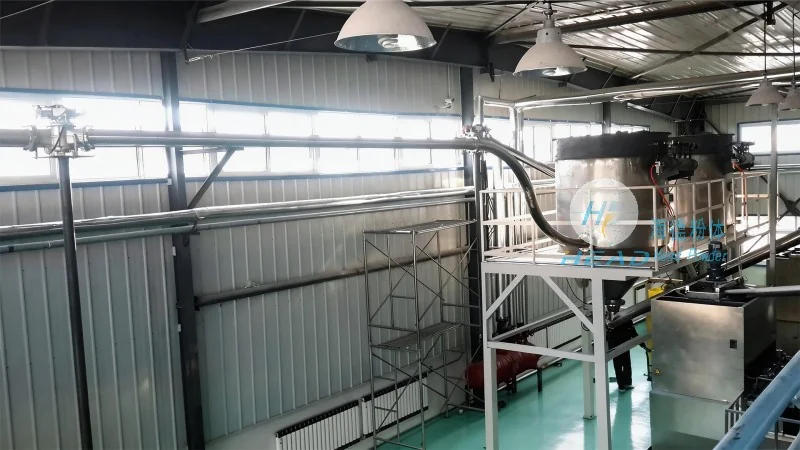
HeadPowder: A Leading Provider of Pneumatic Conveying Solutions
Shandong HeadPowder Engineering Co., Ltd., commonly referred to as HeadPowder, is a reputable company based in Shandong, China, specializing in the design, manufacturing, and implementation of advanced pneumatic conveying systems. With a focus on delivering reliable and efficient solutions for material handling, HeadPowder has established itself as a trusted partner for industries that require safe and effective transport of bulk materials, including quicklime powder. The company’s expertise lies in tailoring systems to meet the unique demands of each client, ensuring optimal performance and durability in demanding environments.
Positive Pressure Conveying: How It Works
Positive pressure conveying, also known as pressure pneumatic conveying, operates by blowing air or a gas mixture into the conveying line, creating a pressure higher than the ambient air pressure. The material is then drawn into the system and transported to the destination. This method is particularly effective for long-distance or high-rise applications, as it can maintain consistent pressure throughout the entire line. In the case of quicklime powder, positive pressure systems are often preferred for their ability to handle abrasive materials and prevent dust contamination. The high-pressure air ensures that the powder moves efficiently without clogging or degradation. However, this approach may require more robust equipment and higher energy consumption compared to negative pressure systems.
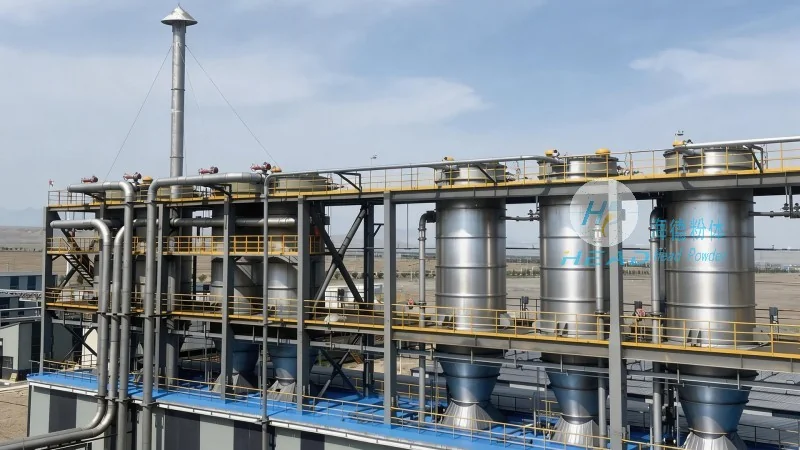
Negative Pressure Conveying: The Alternative Approach
Negative pressure conveying, or vacuum pneumatic conveying, works by creating a vacuum in the conveying line, which pulls the material from the source and transports it to the destination. This method is generally more suitable for shorter distances and lower material loads, as the vacuum pressure is limited by the system's capacity. For quicklime powder, negative pressure systems are often used in applications where the material is handled in a closed environment, such as in a processing plant or warehouse. The vacuum helps to contain dust and prevent environmental contamination, making it a popular choice for industries with strict safety and regulatory requirements. However, negative pressure systems may be less efficient for handling large volumes of material and can be more prone to clogging if the powder is too fine or has high moisture content.
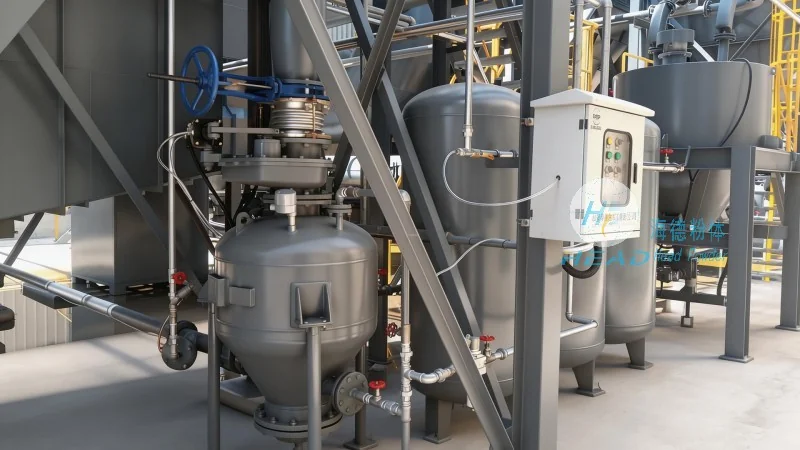
Key Differences Between Positive and Negative Pressure Conveying
Several factors differentiate positive and negative pressure conveying systems, particularly when applied to quicklime powder. The most significant difference lies in the pressure dynamics: positive pressure systems use higher air pressure to push material, while negative pressure systems rely on lower vacuum pressure to pull material. This affects the system's energy consumption, with positive pressure systems typically consuming more energy due to the need to maintain higher pressure. Another key difference is the material handling capacity: positive pressure systems can handle larger volumes and longer distances, making them ideal for bulk transport, whereas negative pressure systems are better suited for smaller, localized applications. Additionally, the impact on the environment varies; positive pressure systems may release more dust if not properly sealed, while negative pressure systems are more effective at containing dust, reducing the risk of environmental contamination. The choice between the two ultimately depends on the specific operational requirements, including the distance to be covered, the volume of material to be transported, and the environmental regulations in place.
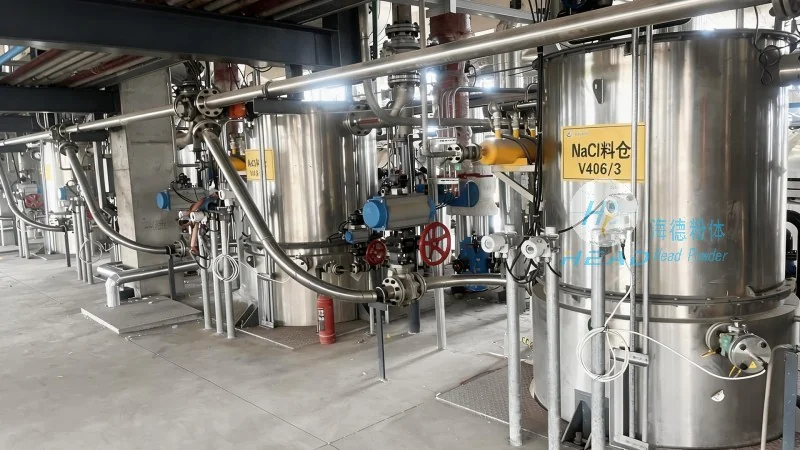
Factors to Consider When Choosing a Conveying System for Quicklime Powder
When selecting between positive and negative pressure conveying for quicklime powder, several factors must be carefully evaluated. First, the distance between the source and destination is a critical consideration. For long-distance transport, positive pressure systems are generally more efficient and reliable. Conversely, for short-distance or in-plant applications, negative pressure systems may be more practical. Second, the material characteristics of quicklime powder, such as its particle size, moisture content, and reactivity, play a significant role. Finer powders or those with high moisture content may require more specialized equipment to prevent clogging or degradation. Third, the environmental and safety regulations in the operating area must be considered. Negative pressure systems are often preferred in environments where dust control is paramount, while positive pressure systems may be more suitable for open-air applications where dust containment is less of a concern. Finally, the overall cost of the system, including equipment, installation, and operational expenses, should be weighed against the expected benefits. HeadPowder, with its expertise in customizing systems, can provide valuable guidance in evaluating these factors and selecting the most appropriate conveying method for each specific application.
Conclusion: Making the Right Choice for Quicklime Powder Conveying
Choosing between positive and negative pressure pneumatic conveying for quicklime powder requires a thorough understanding of the operational needs and the characteristics of the material. Both methods have their strengths and weaknesses, and the optimal choice depends on a combination of factors, including distance, material properties, environmental regulations, and cost. Positive pressure systems offer the advantage of high capacity and long-distance transport, while negative pressure systems excel in dust control and localized applications. By carefully evaluating these factors and leveraging the expertise of companies like Shandong HeadPowder Engineering Co., Ltd., industries can select the most effective and efficient conveying system to ensure safe and reliable transport of quicklime powder. Whether you are dealing with bulk transport over long distances or in-plant handling of smaller quantities, the right choice of pneumatic conveying method can significantly impact operational efficiency, safety, and overall cost-effectiveness.