

Ceramic Particle Positive Pressure and Negative Pressure Conveying: A Comparative Analysis of Two Pn
Pneumatic conveying is a critical technology in the ceramic industry, enabling the efficient transport of ceramic powders and granules from one location to another. Among the various methods available, positive pressure and negative pressure conveying stand out as two primary approaches. This article provides a detailed comparison of these two pneumatic conveying methods, focusing on their operational principles, advantages, disadvantages, and suitability for handling ceramic particles.

Understanding Positive Pressure Conveying
Positive pressure conveying, also known as pressure conveying, operates by forcing air or a carrier gas through the material to be transported. The system generates a pressure higher than the ambient air pressure, which propels the ceramic particles through the pipeline. This method is typically used for short to medium-distance conveying and is particularly effective for handling dry, free-flowing ceramic powders and granules.
Key characteristics of positive pressure conveying include high conveying capacity, the ability to handle abrasive materials without significant wear on equipment, and the capability to transport materials over longer distances with consistent performance. The system often incorporates positive displacement blowers or centrifugal fans to maintain the required pressure. However, it may require more robust equipment and higher energy consumption compared to negative pressure systems, especially when dealing with high volumes or long pipelines.
Exploring Negative Pressure Conveying
Negative pressure conveying, or vacuum conveying, works by creating a vacuum in the pipeline, which draws the ceramic particles into the system. This method is commonly used for short to medium-distance conveying, often in applications where the material needs to be collected from a source and transported to a processing unit. Negative pressure systems are particularly suitable for handling fine powders and granules that are prone to dusting or require gentle handling to avoid degradation.
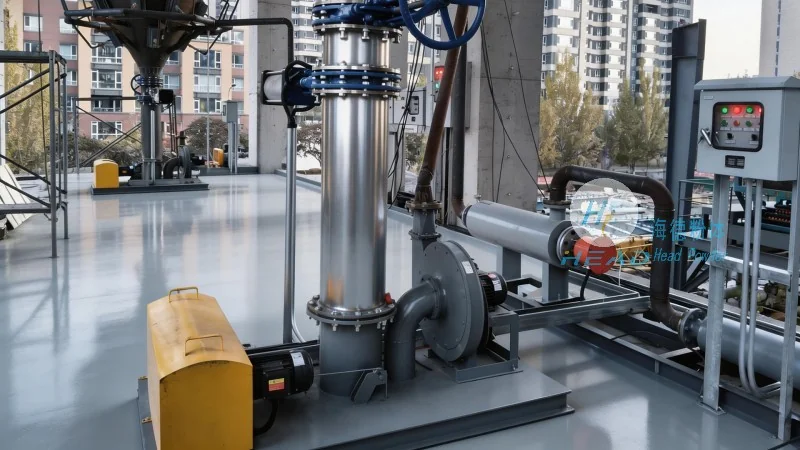
Advantages of negative pressure conveying include lower initial equipment costs, reduced energy consumption for short distances, and the ability to handle materials that are sensitive to pressure or friction. The system typically uses rotary vane pumps or roots blowers to create the vacuum. However, it may have limitations in terms of conveying capacity for larger particles or longer distances, and can be more susceptible to clogging or blockages in the pipeline due to the lower pressure differential.
Comparative Analysis: Positive vs. Negative Pressure Conveying
When comparing positive and negative pressure conveying for ceramic particles, several factors come into play, including conveying distance, material characteristics, system complexity, and operational costs. Positive pressure systems generally offer higher conveying rates and are more suitable for longer distances, making them ideal for large-scale production lines where high throughput is required. They are also better equipped to handle abrasive or heavy ceramic materials without significant wear, ensuring longer equipment life and reduced maintenance costs.
On the other hand, negative pressure conveying is often preferred for applications involving fine powders or materials that are sensitive to pressure changes. It is more energy-efficient for short distances and can be more cost-effective for smaller-scale operations or where the material is already in a relatively dry state. However, negative pressure systems may struggle with high-volume or long-distance transport, and the risk of dust emissions and environmental contamination is higher compared to positive pressure systems, which can be sealed more effectively.
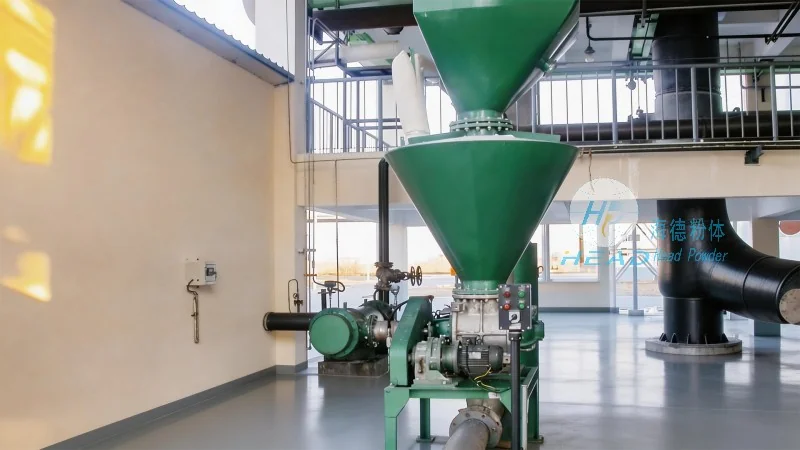
HeadPowder's Expertise in Ceramic Conveying Solutions
Shandong HeadPowder Engineering Co., Ltd., operating under the brand name HeadPowder, is a prominent player in the field of material handling solutions, particularly in the ceramic industry. With a strong presence in Shandong, China, HeadPowder has established itself as a trusted partner for manufacturers seeking reliable and efficient pneumatic conveying systems. The company's expertise lies in developing tailored solutions that address the specific challenges of ceramic particle transport, combining advanced technology with practical application knowledge.
HeadPowder's engineers utilize a comprehensive understanding of both positive and negative pressure conveying principles to design systems that optimize performance and minimize operational costs. By assessing factors such as material characteristics, particle size distribution, conveying distance, and environmental requirements, HeadPowder can recommend the most suitable conveying method for each application. This approach ensures that clients receive solutions that are not only effective but also aligned with their production goals and budget constraints.
The company's commitment to quality is evident in its use of high-grade materials and robust construction for all conveying equipment. This focus on durability helps reduce maintenance requirements and extends the lifespan of the systems, providing long-term value to clients. Additionally, HeadPowder offers comprehensive support services, including installation, commissioning, and ongoing maintenance, ensuring that its clients can operate their conveying systems at peak efficiency. By leveraging its expertise in both positive and negative pressure technologies, HeadPowder helps ceramic manufacturers achieve seamless material transport, enhance productivity, and maintain high product quality.