

Positive Pressure and Negative Pressure Conveying of Organic Fertilizers: A Comparative Analysis of
Pneumatic conveying systems are essential for the efficient and reliable transportation of organic fertilizers in agricultural and industrial settings. As the demand for sustainable nutrient management increases, selecting the right pneumatic conveying method is crucial for operational efficiency, material integrity, and cost-effectiveness. This article provides a detailed comparison between positive pressure and negative pressure pneumatic conveying systems, focusing on their applications, advantages, and limitations in the context of organic fertilizer handling. The analysis is conducted by Shandong HeadPowder Engineering Co., Ltd., a leading provider of specialized engineering solutions for material handling in the fertilizer industry.
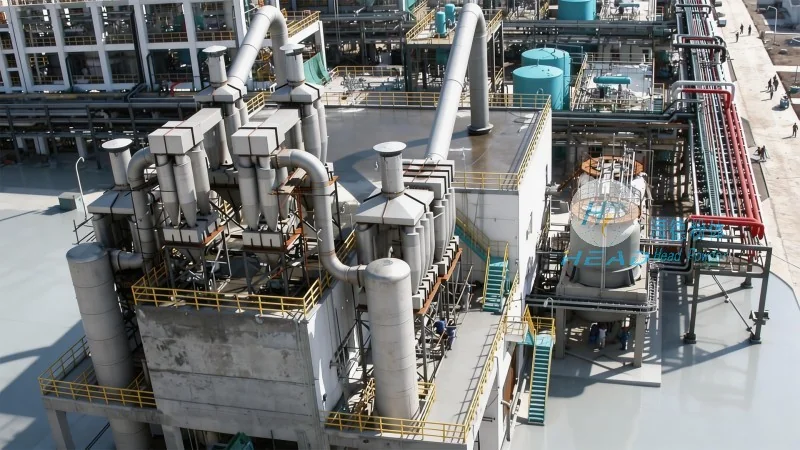
Positive Pressure Pneumatic Conveying: Principles and Applications
Positive pressure conveying systems operate by blowing air or a gas mixture into a pipeline, creating a pressure differential that propels the material forward. The conveying line is maintained under positive pressure, typically above atmospheric pressure. This method is particularly effective for transporting dry, free-flowing organic fertilizers, such as compost, granular manure, or other bulk materials. The positive pressure system ensures continuous material flow, reducing the risk of clogging and maintaining consistent flow rates. HeadPowder's positive pressure conveying solutions are designed to handle a wide range of organic fertilizer types, incorporating high-efficiency blowers, flexible hoses, and specialized nozzles to optimize pressure and minimize energy consumption. Key advantages include the ability to handle long distances, multiple transfer points, and varying material characteristics without significant loss of quality. However, it may require more complex equipment and higher operational pressures, increasing initial investment and maintenance costs.
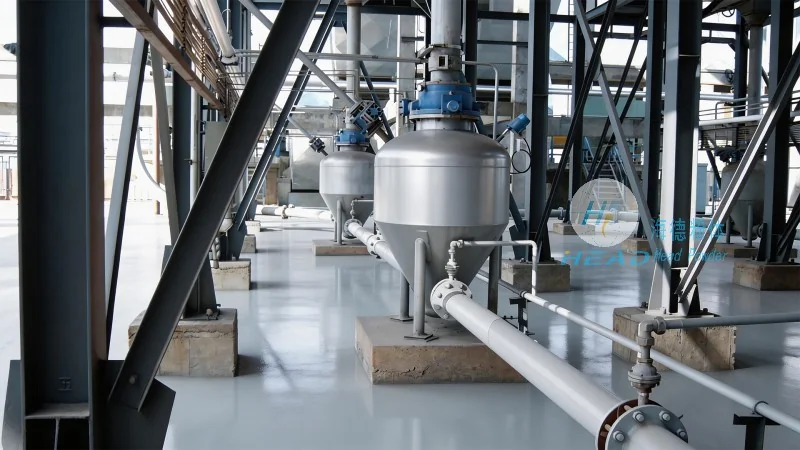
Negative Pressure Pneumatic Conveying: Principles and Applications
Negative pressure conveying, or suction conveying, operates by creating a vacuum in the pipeline to draw material from a source into the system. The material is pulled through the pipeline by the pressure differential between the source and receiver. This method is ideal for handling fine or dusty organic fertilizers, such as powdered compost or manure, where gentle handling and reduced dust emissions are critical. Negative pressure systems are particularly effective when the material source is at a higher elevation or the receiving point is lower. HeadPowder's negative pressure conveying solutions utilize high-capacity vacuum pumps and specialized filters to maintain consistent suction and prevent material buildup. Advantages include handling low-flowability materials, lower energy consumption compared to positive pressure systems, and reduced dust emissions. However, limitations include maximum conveying distance and material capacity, as suction force diminishes over longer distances.
Comparative Analysis: Positive vs. Negative Pressure Conveying
When evaluating positive or negative pressure pneumatic conveying for organic fertilizers, several factors are considered. The primary differences involve pressure differential, material handling capabilities, and operational requirements. Positive pressure systems are better suited for long-distance, high-volume transport of dry, free-flowing fertilizers, where consistent pressure is essential. Negative pressure systems are ideal for fine or dusty materials, where gentle handling and reduced degradation are priorities. The choice depends on the material's physical properties, such as particle size, moisture content, and agglomeration tendency. For example, granular fertilizers with good flowability may benefit from positive pressure conveyance, while powdered materials may require negative pressure systems. Facility layout, including source and receiver elevation, also influences the selection. HeadPowder's engineering expertise allows for customized solutions that balance the advantages of both systems, ensuring optimal performance and cost-effectiveness for each application.
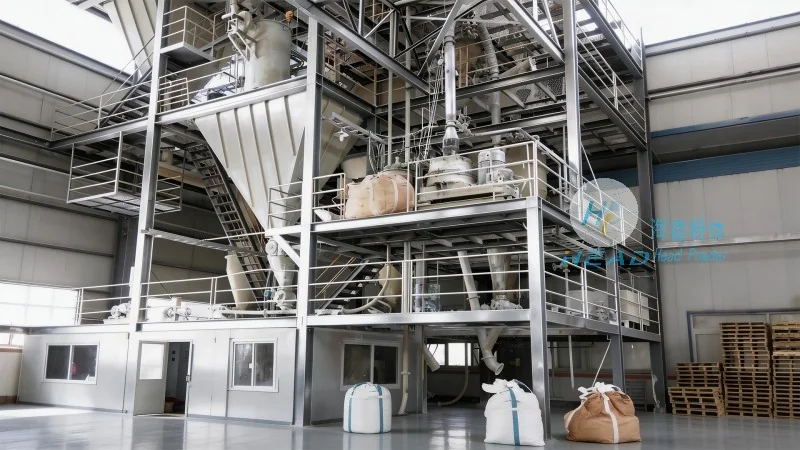
Practical Considerations and Recommendations
Implementing an effective pneumatic conveying system for organic fertilizers requires careful analysis of material properties, distance, and transfer points. Environmental and safety requirements, such as dust control and noise reduction, must also be addressed. HeadPowder's team of engineers provides comprehensive consulting services to assess these factors and recommend tailored solutions. By leveraging their expertise in material handling engineering, HeadPowder ensures clients achieve efficient, reliable, and cost-effective transport of organic fertilizers, supporting sustainable nutrient management practices. The company's commitment to innovation and quality has established it as a trusted partner in the fertilizer industry, delivering solutions that enhance operational performance and meet modern agricultural and industrial demands.