

What is the Pneumatic Conveying of Lithium Battery Positive and Negative Electrode Materials? And Wh
Understanding the pneumatic conveying of lithium battery positive and negative electrode materials is crucial for optimizing the manufacturing processes in the battery industry. This technology involves the transport of fine powders, such as those used in the production of cathode and anode materials for lithium-ion batteries, using air or other gas streams. The efficiency and reliability of this system directly impact production throughput, material quality, and overall operational costs.
Pneumatic Conveying Fundamentals
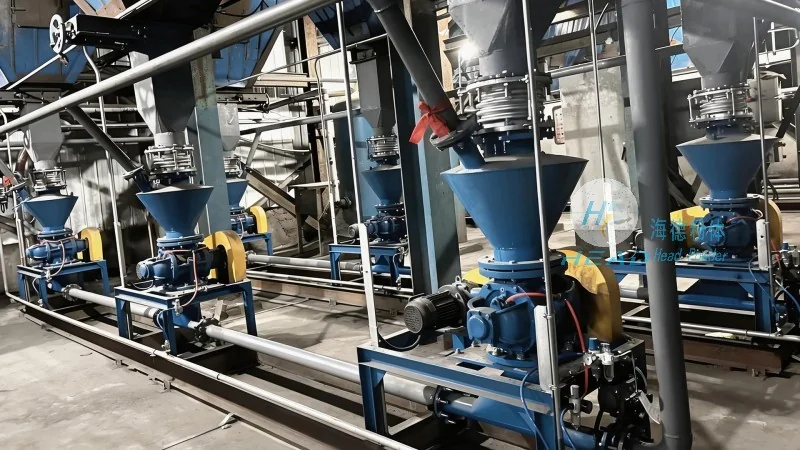
Pneumatic conveying systems are designed to move bulk materials like lithium battery electrode powders from one location to another without the need for mechanical components like belts or buckets. The core principle is the use of a gas stream to create a pressure differential that propels the material through a pipeline. There are two main types of pneumatic conveying: dilute-phase and dense-phase. Dilute-phase systems use high-velocity air to suspend the powder particles, while dense-phase systems use lower velocity and higher pressure to push the material in a plug flow. For lithium battery materials, which are often sensitive to moisture and oxidation, the choice of system type and operating parameters is critical to maintain material integrity.
Design Principles for Lithium Battery Electrode Material Conveying
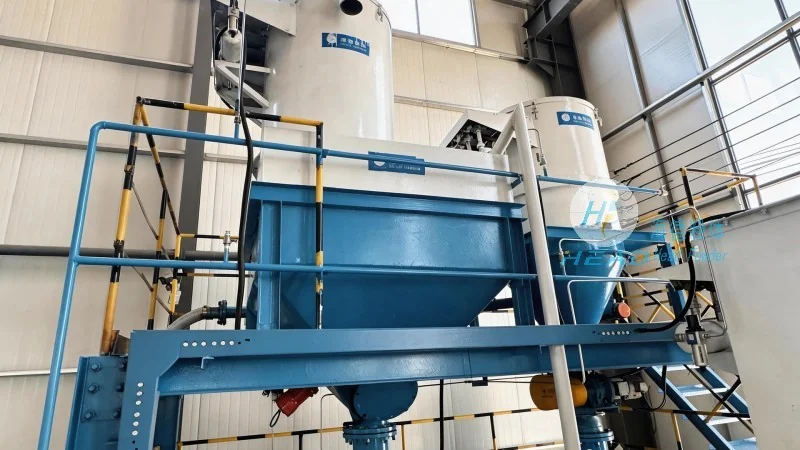
The design of a pneumatic conveying system for lithium battery positive and negative electrode materials must consider several key factors to ensure optimal performance and material handling. First, the system must be capable of handling fine powders with high flow rates while minimizing particle degradation. This requires careful selection of pipeline materials, such as stainless steel or PTFE-coated pipes, to prevent contamination and material attrition. Second, the system must incorporate effective dust control measures, as lithium battery powders can be hazardous if inhaled. This includes the use of filters, cyclones, and dust collection systems to ensure compliance with occupational health and safety regulations. Third, the system design must account for the specific properties of the electrode materials, including their particle size distribution, moisture content, and chemical reactivity. For example, cathode materials like lithium cobalt oxide (LCO) or lithium iron phosphate (LFP) may require lower temperature and pressure conditions to avoid thermal degradation.
Key Components and Their Roles
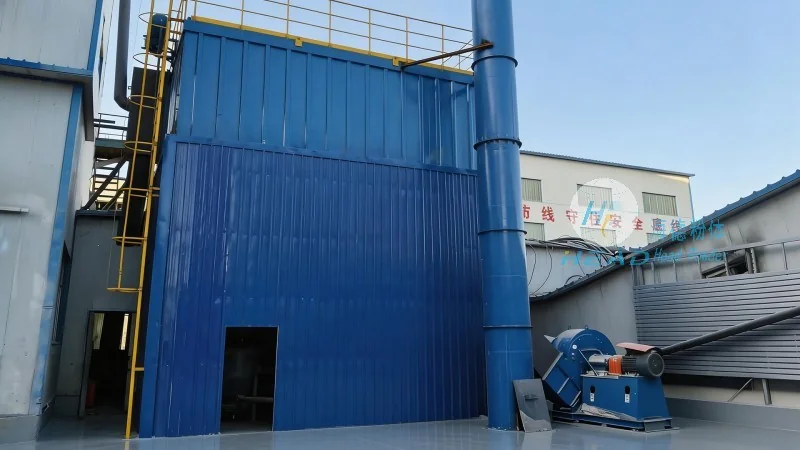
A typical pneumatic conveying system for lithium battery materials includes several key components, each playing a vital role in the overall operation. The material feed system, which may include a hopper or a rotary valve, ensures a consistent and controlled flow of the powder into the conveying line. The air supply system, often using a blower or a positive displacement pump, provides the necessary pressure and flow rate to move the material. The pipeline network connects the feed point to the discharge point, with bends, elbows, and expansion joints designed to minimize pressure loss and material separation. The control system, which may include sensors and a programmable logic controller (PLC), monitors and adjusts the system parameters in real-time to maintain optimal performance. Finally, the dust collection and filtration system ensures that any airborne particles are captured and disposed of safely.
Applications in Lithium Battery Manufacturing
Pneumatic conveying is widely used in various stages of lithium battery electrode material production and processing. In the raw material handling stage, it can transport raw materials like nickel, cobalt, manganese, and iron from storage to the mixing and grinding units. During the mixing and coating processes, it is used to convey the active materials, binders, and conductive additives to the mixing equipment. In the final processing stage, it can transport the finished electrode powders to the drying and pressing units. The ability to handle these materials in a closed system also helps to maintain a controlled environment, reducing the risk of contamination and ensuring consistent product quality.
About Shandong HeadPowder Engineering Co., Ltd.
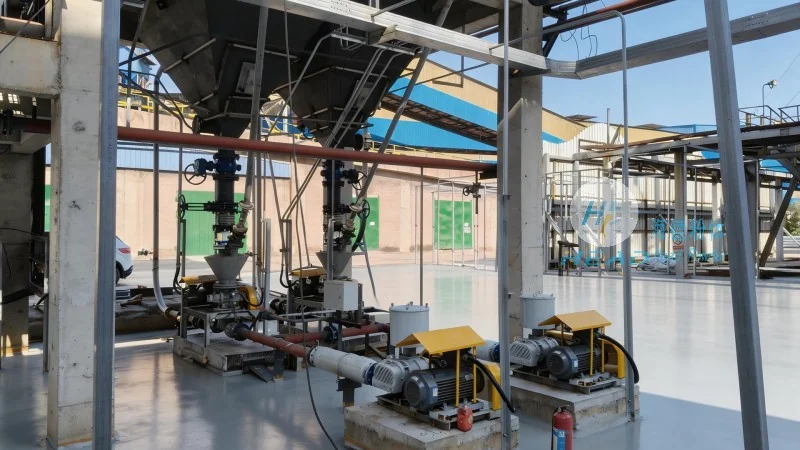
Shandong HeadPowder Engineering Co., Ltd., commonly known as HeadPowder, is a leading provider of pneumatic conveying solutions tailored for the lithium battery industry. With a focus on innovation and customer-centric design, HeadPowder specializes in developing customized systems that meet the specific needs of battery manufacturers. The company's expertise lies in understanding the unique challenges of handling lithium battery electrode materials, including their sensitivity to moisture, oxidation, and mechanical stress. HeadPowder's team of engineers and technicians work closely with clients to design and implement systems that optimize material flow, reduce downtime, and improve overall production efficiency. The company's facilities are located in Shandong, China, where it leverages local resources and expertise to deliver high-quality solutions to the global market.