

What is an Automatic Feeding Pneumatic Conveying System? What are its Design Principles?
An automatic feeding pneumatic conveying system is a sophisticated industrial solution designed to transport bulk materials from one location to another using air as the primary conveying medium. This technology has become increasingly vital in various industries, including pharmaceuticals, food processing, and chemical manufacturing, where precise material handling and contamination control are paramount. The system integrates advanced automation and engineering principles to ensure efficient, reliable, and safe material transport, addressing the challenges of traditional mechanical conveying methods.
Core Components and Functionality
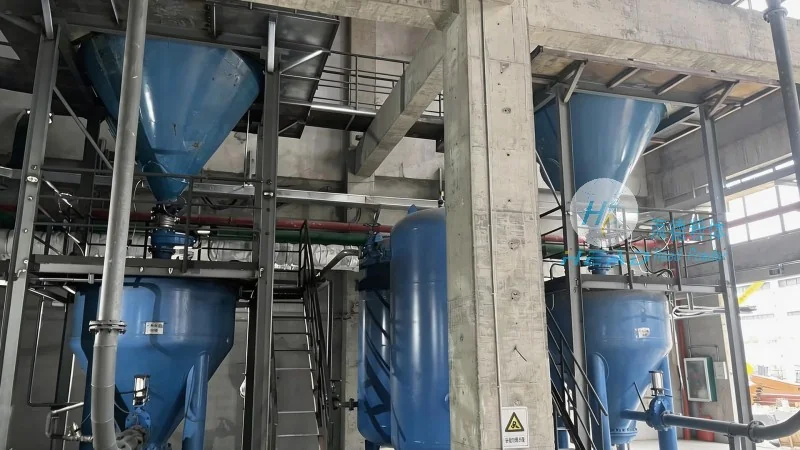
The operation of an automatic feeding pneumatic conveying system relies on several key components that work in tandem to achieve seamless material transfer. At the heart of the system is the feeding mechanism, which typically includes a hopper or bin equipped with a rotary valve or screw feeder to regulate the flow of material into the system. This component ensures a consistent and controlled feed rate, preventing overloading or underfeeding that could disrupt the conveying process. The conveying line itself consists of a pipeline system that transports the material-air mixture, often using positive or negative pressure to move the material through the system. The system may include various accessories such as filters, cyclones, and silos to separate the material from the air and store the conveyed product. The control system, usually a programmable logic controller (PLC), monitors and adjusts the operation of all components to maintain optimal performance and prevent system failures.
Design Principles and Engineering Considerations
The design of an automatic feeding pneumatic conveying system is governed by several critical principles that ensure its effectiveness and reliability. One of the primary considerations is the selection of the appropriate conveying method, which can be categorized as positive pressure (where air is forced through the system) or negative pressure (where air is drawn out of the system). The choice between these methods depends on factors such as the material's properties, the distance to be conveyed, and the system's overall layout. Material characteristics, including particle size, density, and moisture content, play a crucial role in determining the system's design. For example, fine powders may require higher air velocities and more efficient separation equipment to prevent clogging or loss of material. The system's layout, including the placement of hoppers, feeders, and silos, is carefully planned to minimize pressure drops and ensure smooth material flow. Additionally, the design incorporates safety features, such as pressure relief valves and emergency shut-off mechanisms, to protect personnel and equipment from potential hazards.
Advantages of Automatic Feeding Pneumatic Conveying Systems
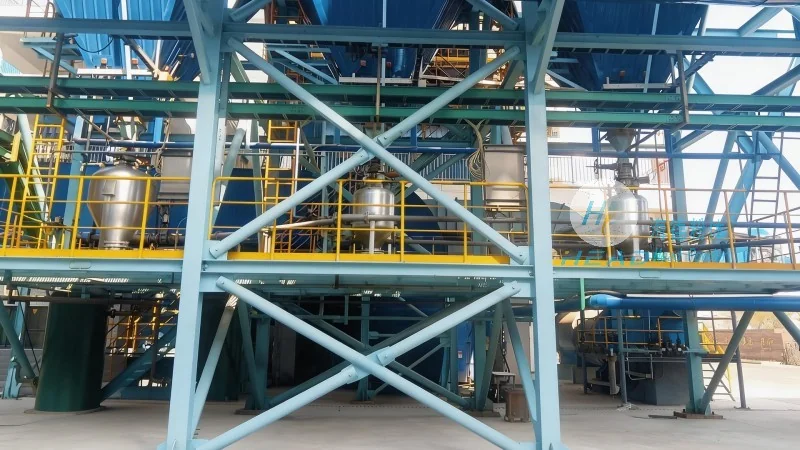
Automatic feeding pneumatic conveying systems offer numerous advantages over traditional mechanical conveying methods. One of the most significant benefits is the ability to handle a wide range of materials, including powders, granules, and bulk solids, with minimal maintenance. The system's enclosed design prevents dust and contamination, making it ideal for industries where product purity is critical, such as pharmaceuticals and food processing. Additionally, the system can be integrated with other production processes, allowing for automated material handling and reducing the need for manual labor. The flexibility of the system allows for easy modification or expansion, accommodating changes in production requirements or material types. The energy efficiency of pneumatic conveying systems, particularly when using positive pressure, can also lead to cost savings over time, as they require less power compared to mechanical conveyors.
Applications and Industry Use Cases
Automatic feeding pneumatic conveying systems are widely used across various industries due to their versatility and efficiency. In the pharmaceutical industry, these systems are employed to transport active pharmaceutical ingredients (APIs) and excipients with high precision and minimal risk of contamination. The system's ability to maintain a sterile environment and prevent cross-contamination is essential for ensuring product quality and compliance with regulatory standards. In the food processing industry, the system is used to convey ingredients such as flour, sugar, and spices, where hygiene and product integrity are paramount. The system's enclosed design and easy cleaning features make it suitable for food-grade applications. In the chemical manufacturing industry, the system handles a variety of chemicals, including powders and granules, while ensuring safety and environmental compliance. The system's ability to handle hazardous materials with proper containment and ventilation is a key advantage in this sector.
Installation and Maintenance Requirements
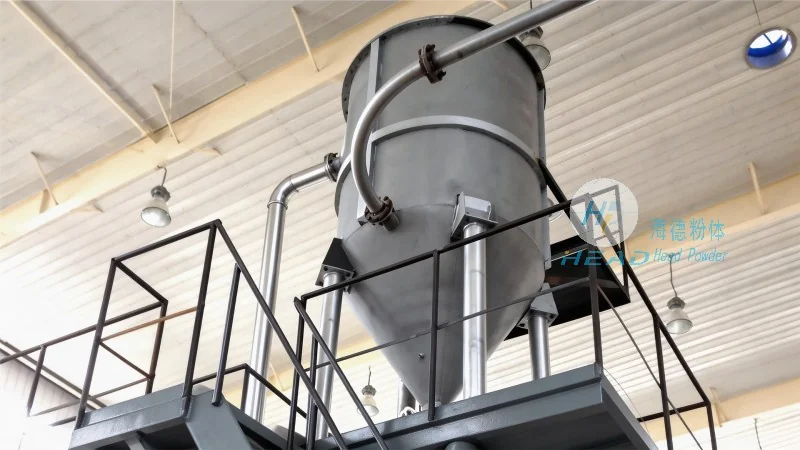
The successful operation of an automatic feeding pneumatic conveying system requires proper installation and regular maintenance. Installation involves careful planning of the system layout, ensuring that all components are properly aligned and connected. The pipeline system must be designed to minimize pressure losses and prevent material buildup, which can lead to system inefficiencies. The feeding mechanism must be properly sized to handle the required material flow rate, and the control system must be configured to match the system's operational parameters. Regular maintenance is essential to ensure the system's longevity and performance. This includes cleaning the system components, checking for wear and tear, and replacing worn parts as needed. The control system should be monitored regularly to detect any abnormalities and address them promptly. Proper maintenance can significantly reduce downtime and extend the system's service life, ensuring consistent and reliable material transport.
Conclusion and Company Overview
An automatic feeding pneumatic conveying system is a highly effective and reliable solution for bulk material handling in various industrial applications. The system's design, based on advanced engineering principles, ensures efficient and safe material transport while minimizing maintenance and operational costs. The integration of automation and control systems allows for precise operation and adaptability to changing production needs. As a leading provider in this field, Shandong HeadPowder Engineering Co., Ltd. specializes in designing and manufacturing customized pneumatic conveying systems tailored to the specific requirements of each client. With its headquarters in Shandong, China, the company leverages years of experience and expertise to deliver high-quality solutions that meet the stringent demands of modern industrial processes. Whether for pharmaceutical, food, or chemical applications, the automatic feeding pneumatic conveying system from Shandong HeadPowder Engineering Co., Ltd. offers a robust and efficient solution for material handling needs.