

What is a Bag Breaker Pneumatic Conveying System? And What Are Its Design Principles?
Bag breaker pneumatic conveying systems are advanced industrial solutions designed to efficiently handle bulk materials, particularly those packaged in bags. These systems integrate bag opening mechanisms with pneumatic conveying technology to streamline material transfer processes. The core function of such systems is to break open sealed bags, release the contained material, and then transport it through a pipeline using air pressure. This approach eliminates the need for manual bag opening and material handling, significantly improving operational efficiency and safety in material handling operations.
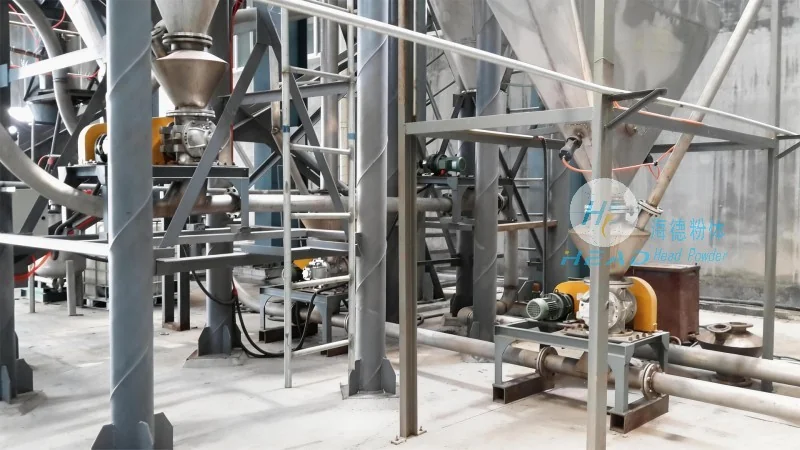
Understanding the Core Function of Bag Breaker Pneumatic Conveying Systems
A bag breaker pneumatic conveying system operates by first positioning a bag over an opening mechanism, which may include a mechanical or pneumatic bag opener. Once the bag is opened, the material inside is released into a hopper or directly into the conveying line. The system then uses a blower or compressor to generate airflow, which propels the material through the pipeline to the destination point. This process is typically automated, allowing for continuous material flow without manual intervention. The integration of bag opening and conveying in a single system reduces downtime and labor costs, making it ideal for high-volume material handling applications.
Key Design Principles Behind Bag Breaker Pneumatic Conveying Systems
The design of a bag breaker pneumatic conveying system is based on several critical principles to ensure optimal performance and reliability. First, the bag opening mechanism must be robust and capable of handling various bag types, including plastic, paper, and composite bags. The system must also be able to handle different material characteristics, such as powder, granules, or bulk solids, without causing material degradation or blockages. Another key principle is the selection of appropriate air flow rates and pressure levels, which are determined by the material's properties and the system's capacity. The conveying pipeline design, including the use of appropriate pipe diameters and bends, is also crucial to maintain consistent material flow and prevent pressure losses. Additionally, the system incorporates safety features, such as pressure relief valves and material sensors, to prevent accidents and ensure smooth operation.
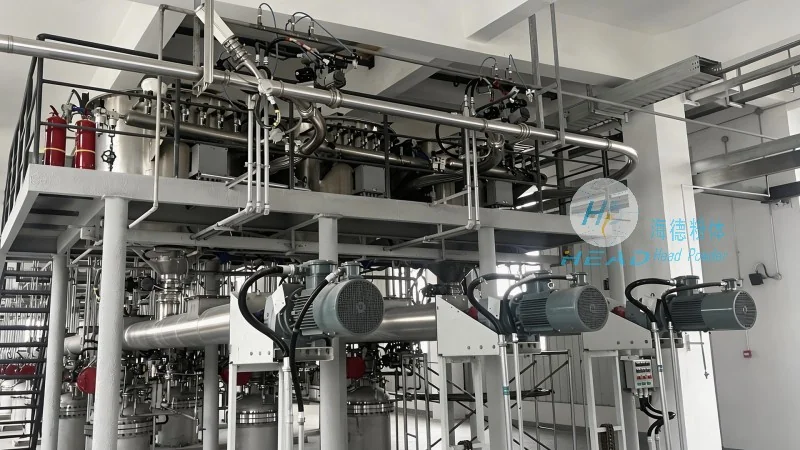
How Bag Breaker Pneumatic Conveying Systems Enhance Material Handling Efficiency
Implementing a bag breaker pneumatic conveying system offers numerous benefits in material handling operations. By automating the bag opening and material transfer process, these systems reduce the risk of material spillage and contamination, which is particularly important for food, pharmaceutical, and chemical industries. The automated nature of the system also minimizes labor requirements, allowing workers to focus on other tasks, thereby increasing overall productivity. Furthermore, the system's ability to handle high volumes of material at a consistent rate improves production throughput and reduces bottlenecks in manufacturing processes. The integration of bag opening and conveying also simplifies the overall material handling workflow, as there is no need for separate equipment or manual labor to transfer materials from bags to storage or processing areas.
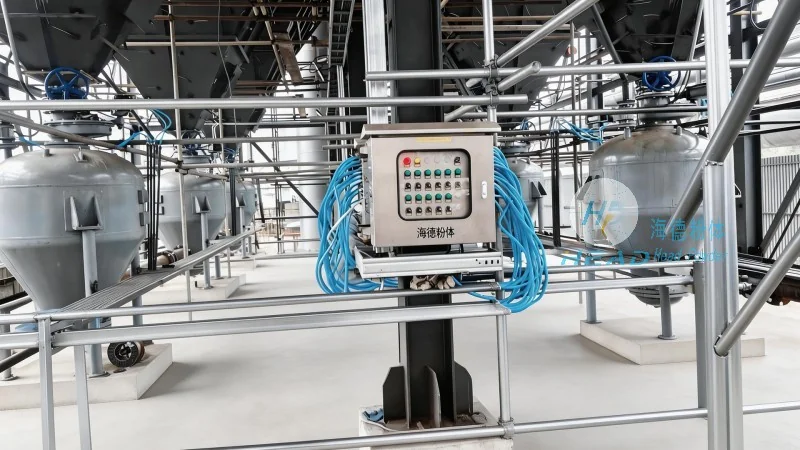
Components and Working Mechanism of a Bag Breaker Pneumatic Conveying System
A typical bag breaker pneumatic conveying system consists of several key components, each playing a vital role in the overall operation. The primary components include a bag opening device, a hopper or material receiver, a blower or air compressor, a conveying pipeline, and a material discharge point. The bag opening device may be a mechanical cutter, a pneumatic actuator, or a combination of both, depending on the bag type and material. The hopper collects the material released from the bags and feeds it into the conveying line. The blower generates the necessary airflow to move the material through the pipeline, with the pressure and flow rate adjustable based on the material's characteristics. The conveying pipeline is usually made of stainless steel or other corrosion-resistant materials to handle various materials and maintain hygiene standards. The material discharge point is designed to safely release the material into the next stage of the process, such as a storage silo or a processing machine.
Applications and Industries Benefiting from Bag Breaker Pneumatic Conveying Systems
Bag breaker pneumatic conveying systems are widely used in various industries that handle bulk materials in bagged form. The food and beverage industry, for example, utilizes these systems to transfer ingredients like flour, sugar, and spices from bags to processing equipment, ensuring hygiene and efficiency. The pharmaceutical industry also benefits from these systems, as they can handle sensitive materials while maintaining strict contamination control. In the chemical industry, bag breaker pneumatic conveying systems are used to transfer powders and granules, such as fertilizers or chemicals, from storage to production lines. Additionally, the agricultural industry uses these systems to handle bulk commodities like seeds and grains, improving the efficiency of storage and distribution. The construction industry also benefits from bag breaker pneumatic conveying systems for handling bulk materials like cement and sand, reducing manual labor and improving safety on job sites.