

What is a PP Pneumatic Conveying System? What is its Design Principle?
A PP pneumatic conveying system is a type of pneumatic transport system that utilizes polypropylene components for the construction of the conveying pipeline and other key parts. Polypropylene is chosen for its excellent chemical resistance, durability, and low cost, making it suitable for handling a variety of materials, from powders to granules. These systems are widely used in various industries, including chemical, food, pharmaceutical, and manufacturing, due to their efficiency, flexibility, and ability to handle a wide range of materials. The design and implementation of such systems often involve expertise from companies like Shandong HeadPowder Engineering Co., Ltd., a leading provider of industrial material handling solutions based in China.
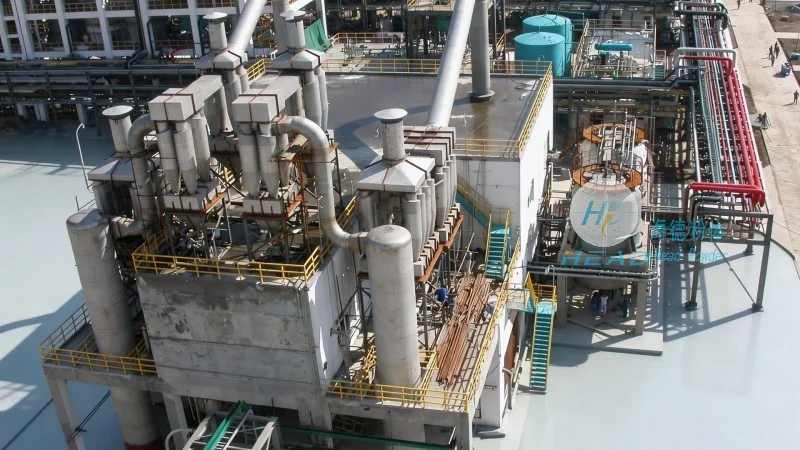
Introduction to PP Pneumatic Conveying Systems
A PP pneumatic conveying system is a type of pneumatic transport system that utilizes polypropylene components for the construction of the conveying pipeline and other key parts. Polypropylene is chosen for its excellent chemical resistance, durability, and low cost, making it suitable for handling a variety of materials, from powders to granules. The system operates by creating a pressure differential between the inlet and outlet of the pipeline, which propels the material forward through the air stream. This method of material transport is often preferred over traditional mechanical conveying systems because it eliminates the need for moving parts in the material path, reducing maintenance requirements and enhancing safety.
Key Components of a PP Pneumatic Conveying System
The design of a PP pneumatic conveying system typically includes several essential components that work together to ensure efficient material transport. These components include the material feed hopper, which holds the bulk material and feeds it into the system; the air compressor or blower, which generates the necessary air pressure to move the material; the conveying pipeline, made from polypropylene for durability and resistance to corrosion; and the material discharge unit, which collects the material at the end of the pipeline. Additionally, the system may include control valves, filters, and pressure regulators to manage the air flow and material transport effectively.
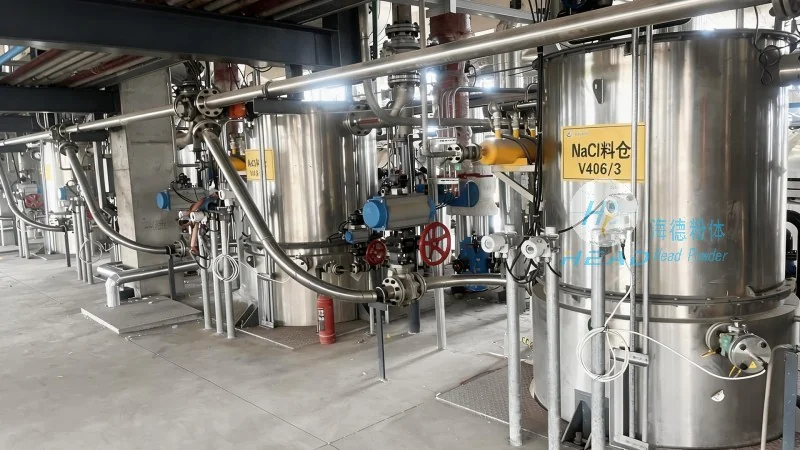
Design Principles for PP Pneumatic Conveying Systems
The design of a PP pneumatic conveying system is based on several key principles to ensure optimal performance and reliability. One of the primary principles is the selection of appropriate air velocity and pressure to achieve the desired material transport rate. The air velocity must be high enough to entrain the material particles but not so high as to cause excessive wear on the pipeline or components. The pressure differential between the inlet and outlet of the pipeline is another critical factor, as it determines the system's conveying capacity and efficiency. Engineers must also consider the particle size, density, and flow characteristics of the material being transported, as these factors influence the system's design and performance. For example, materials with high moisture content or abrasive properties may require special considerations in the design of the pipeline and components to prevent wear and ensure long-term operation.
Advantages of PP Pneumatic Conveying Systems
PP pneumatic conveying systems offer several advantages over traditional mechanical conveying methods. One of the main advantages is the ability to transport materials over long distances without the need for intermediate transfer points or elevators. This reduces the overall system complexity and cost while improving material flow continuity. Additionally, the system is highly flexible, allowing for easy reconfiguration or expansion as production needs change. The use of polypropylene components also provides excellent chemical resistance, making the system suitable for handling materials that are corrosive or reactive. Furthermore, the system is relatively low maintenance, as it has fewer moving parts compared to mechanical conveyors, reducing downtime and maintenance costs.
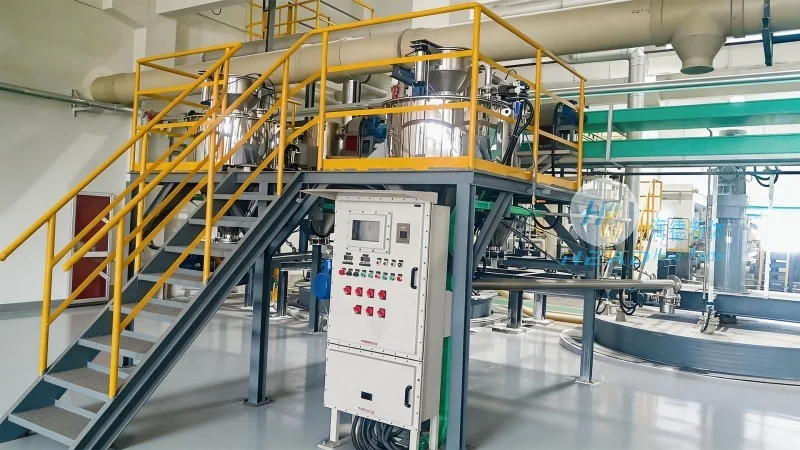
Applications of PP Pneumatic Conveying Systems
PP pneumatic conveying systems are used in a wide range of applications across various industries. In the chemical industry, they are used to transport powders and granules such as plastics, chemicals, and pigments. In the food and pharmaceutical industries, they are employed to handle materials that require strict hygiene and contamination control, as polypropylene components are easy to clean and maintain. In manufacturing, they are used to transport raw materials to production lines and finished products to storage areas. The versatility of the PP pneumatic conveying system makes it an ideal choice for industries seeking to improve their material handling processes. As a company based in China, Shandong HeadPowder Engineering Co., Ltd. specializes in designing and manufacturing such systems tailored to meet the specific needs of clients in various sectors.
Conclusion
In conclusion, a PP pneumatic conveying system is a sophisticated and efficient method for transporting bulk materials in industrial settings. The design of such systems is based on careful consideration of material properties, air dynamics, and component selection to ensure optimal performance and reliability. With its advantages in flexibility, low maintenance, and chemical resistance, the PP pneumatic conveying system is a popular choice for industries seeking to improve their material handling processes. As technology continues to advance, the design and application of PP pneumatic conveying systems are likely to evolve, further enhancing their capabilities and suitability for a wide range of industrial applications. Companies like Shandong HeadPowder Engineering Co., Ltd. play a crucial role in providing these advanced solutions to meet the growing demands of modern industrial operations.