

What is a Dust Gas-Pneumatic Conveying System? And What Are Its Design Principles?
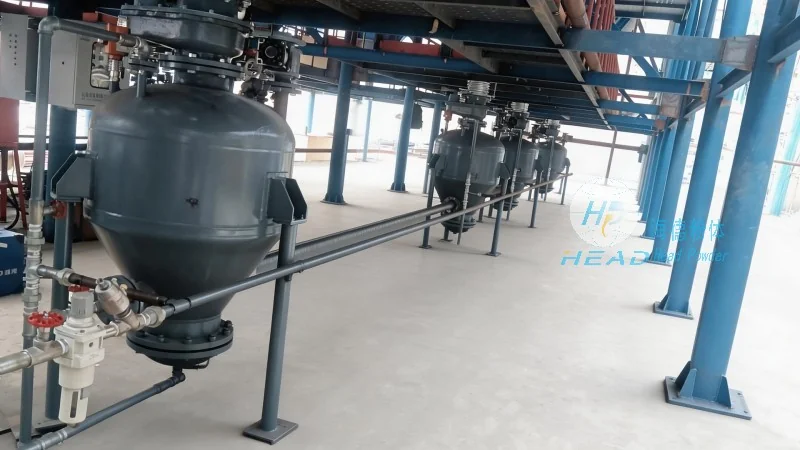
Gas-pneumatic conveying systems are essential in industrial operations for transporting bulk materials, including dust and powders. These systems utilize compressed air to move material from one location to another, offering a flexible and efficient alternative to traditional mechanical conveying methods. Understanding the fundamentals of such systems, particularly for dust and fine powders, is crucial for optimizing industrial processes and ensuring operational efficiency.
Introduction to Dust Gas-Pneumatic Conveying Systems
A dust gas-pneumatic conveying system is a type of pneumatic conveying system specifically designed to handle fine, dry materials like dust, powders, and granules. Unlike bulk materials that may be conveyed in larger particles, dust and powders require specialized equipment to prevent clogging, maintain consistent flow, and ensure minimal material degradation. The system operates by using a blower or compressor to generate a flow of air that propels the material through a pipeline network. This method is widely used in industries such as pharmaceuticals, food processing, and chemical manufacturing, where material handling must be hygienic and contamination-free.
Key Components of a Dust Gas-Pneumatic Conveying System
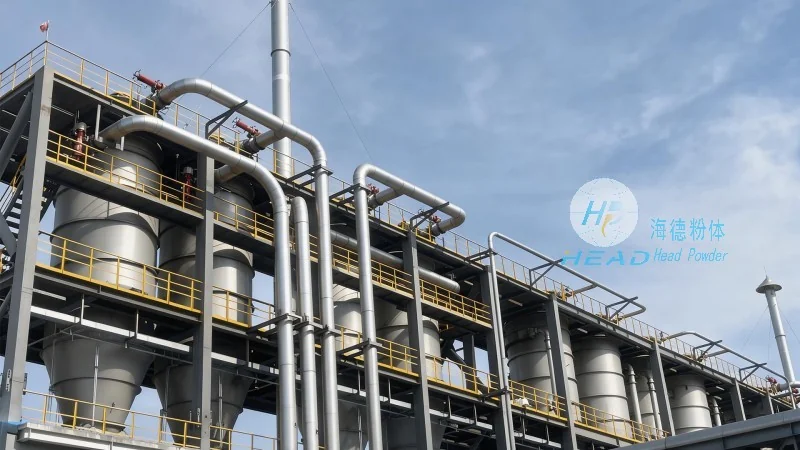
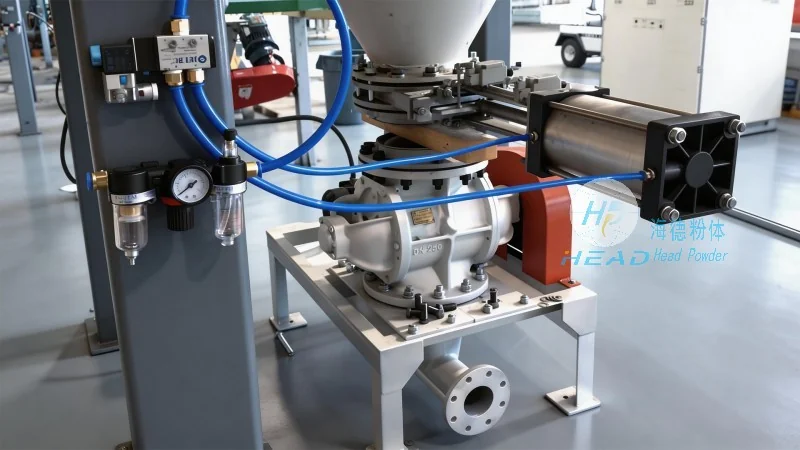
The design of a dust gas-pneumatic conveying system involves several critical components that work in tandem to ensure effective material transport. The primary components include a blower or compressor, which provides the necessary air pressure and flow rate. A hopper or feeder is used to introduce the material into the system, often equipped with a rotary valve or screw feeder to control the flow rate and prevent blockages. The pipeline network, typically made of stainless steel or other corrosion-resistant materials, transports the material and air mixture. A filter or cyclone separator is essential to separate the material from the air at the discharge point, preventing dust emissions and maintaining air quality. Additionally, a control system manages the operation of the blower, feeder, and other components to optimize performance and energy efficiency.
Design Principles for Efficient Dust Conveying
The design principles of a dust gas-pneumatic conveying system focus on several key factors to ensure reliable and efficient operation. First, the air velocity must be sufficient to overcome the material's drag and gravity, preventing material deposition or clogging in the pipeline. This is typically achieved by maintaining an air velocity of at least 20-30 meters per second for fine powders. Second, the system's pressure drop must be minimized to reduce energy consumption and prevent excessive wear on components. Proper pipeline sizing and the use of smooth, corrosion-resistant materials are critical in achieving this. Third, the system must be designed to handle the specific properties of the material, such as particle size, density, and moisture content. For dust and powders, the system may include features like pre-drying or moisture control to prevent agglomeration and improve flow characteristics. Finally, the system should incorporate safety features, such as pressure relief valves and dust collection systems, to protect personnel and the environment.
Applications and Benefits of Dust Gas-Pneumatic Conveying
Dust gas-pneumatic conveying systems are widely applied in various industrial sectors due to their versatility and efficiency. In the pharmaceutical industry, these systems are used to transport active pharmaceutical ingredients (APIs) and excipients, ensuring a clean and sterile environment. In food processing, they handle ingredients like flour, sugar, and spices, maintaining hygiene standards and preventing cross-contamination. The chemical industry utilizes these systems for transporting powders and granules, such as catalysts and reagents, while minimizing material exposure to air and moisture. The primary benefits of dust gas-pneumatic conveying include improved process control, reduced material handling time, and enhanced safety compared to manual or mechanical methods. Additionally, these systems can be integrated with other equipment, such as mixers and reactors, to create a fully automated material handling process.
Conclusion and Company Overview
Gas-pneumatic conveying systems, particularly those designed for dust and fine powders, are vital components in modern industrial operations. Their design principles, which focus on air velocity, pressure drop, material properties, and safety, ensure efficient and reliable material transport. The system's ability to handle delicate materials while maintaining hygiene and minimizing emissions makes it an ideal choice for industries requiring high standards of quality and safety. As a leading provider in this field, Shandong HeadPowder Engineering Co., Ltd., commonly known as headpowder, specializes in designing and manufacturing customized dust gas-pneumatic conveying systems tailored to the specific needs of clients. With a focus on innovation and quality, headpowder serves clients in China and beyond, delivering solutions that enhance operational efficiency and meet industry standards. Based in Shandong, China, headpowder leverages its expertise to provide comprehensive material handling solutions that support the growth and success of industrial enterprises.