

What is a Soil Pneumatic Conveying System? What are its Design Principles?
Soil pneumatic conveying systems represent a sophisticated method for transporting bulk materials, particularly soils and other granular substances, through a pipeline using compressed air. This technology has become increasingly vital in various industrial and construction applications, offering advantages such as dust reduction, flexibility in layout, and the ability to handle materials that are difficult to transport by traditional means. Understanding the core components and design principles of these systems is essential for optimizing performance and ensuring efficient material handling processes.
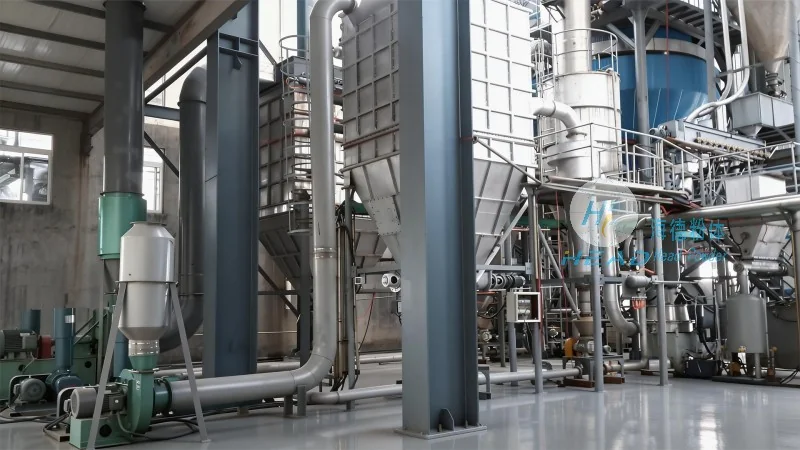
Understanding Soil Pneumatic Conveying Systems
A soil pneumatic conveying system operates by creating a flow of air within a pipeline, which then propels the soil particles through the system. The fundamental components typically include a material hopper, an air compressor, a conveying line, and a receiver or discharge point. The material hopper holds the soil, while the air compressor generates the necessary pressure to move the material. The conveying line, often made of durable materials like stainless steel or plastic, transports the soil and air mixture. At the discharge end, the system separates the soil from the air, allowing the soil to be deposited in the desired location.
Key Design Principles for Efficient Soil Transport
The design of a soil pneumatic conveying system involves several critical principles to ensure optimal performance. First, the system must be designed to handle the specific characteristics of the soil, including its particle size, moisture content, and density. This involves selecting appropriate equipment, such as the type of air compressor and the diameter of the conveying line, to match the material's properties. Second, the system must maintain sufficient air pressure to overcome the resistance of the soil particles within the pipeline. This often requires calculating the required air velocity and pressure based on the material's flow characteristics and the length and diameter of the conveying line.
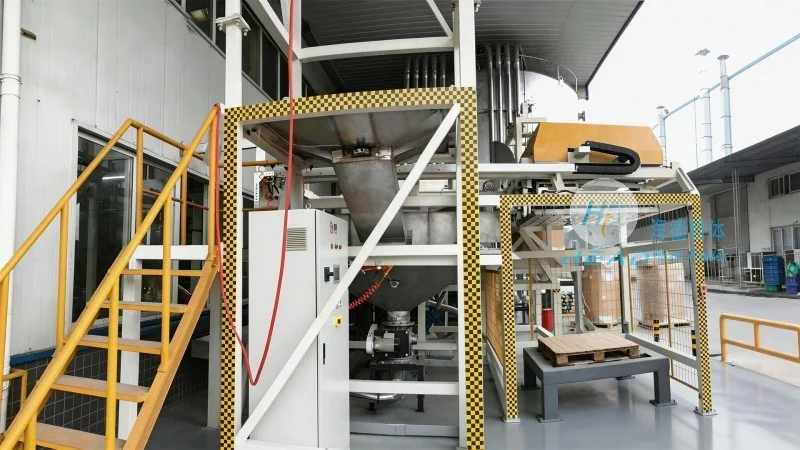
Components and Their Roles in Soil Pneumatic Conveying
Each component of a soil pneumatic conveying system plays a crucial role in the overall operation. The material hopper is designed to store the soil and provide a consistent feed to the system, preventing blockages and ensuring a steady flow. The air compressor is the heart of the system, generating the compressed air needed to move the soil. Different types of compressors, such as rotary or reciprocating models, may be used depending on the system's requirements and the material's characteristics. The conveying line must be robust enough to withstand the pressure and wear from the soil particles, and its diameter is carefully selected to maintain the optimal air velocity for efficient transport. The receiver or discharge unit is responsible for separating the soil from the air and depositing the material in the intended location, often with features to prevent air leakage and maintain material integrity.
Advantages of Soil Pneumatic Conveying Systems
Soil pneumatic conveying systems offer several advantages over traditional material handling methods. One of the most significant benefits is the reduction of dust and airborne particles, which improves workplace safety and environmental compliance. Additionally, these systems provide flexibility in layout, as the conveying line can be installed in various configurations to accommodate different site conditions and operational needs. The ability to handle materials that are difficult to transport by gravity or mechanical means, such as fine soils or those with high moisture content, makes this technology particularly valuable in construction and mining applications. Furthermore, the enclosed nature of the system minimizes material loss and contamination, ensuring that the soil remains in good condition throughout the transport process.
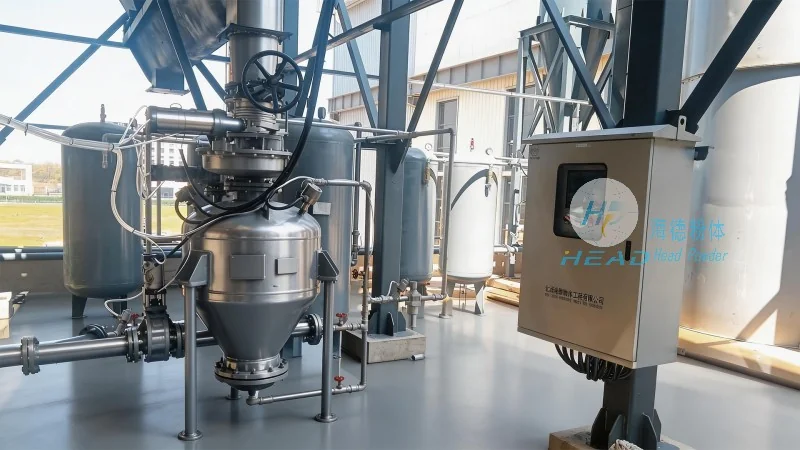
Applications and Industries Utilizing Soil Pneumatic Conveying
Soil pneumatic conveying systems are widely used in various industries and applications. In construction, they are commonly employed for transporting soil from excavation sites to disposal or reuse locations, as well as for moving soil in earthmoving operations. The mining industry also utilizes these systems for transporting ore and other bulk materials, particularly in underground operations where traditional methods may be impractical. Additionally, in environmental remediation projects, soil pneumatic conveying is used to transport contaminated soil for treatment and disposal, ensuring that the material is handled safely and efficiently. Other applications include agricultural operations, where soil is moved between fields or storage facilities, and in industrial processes that require the transport of granular materials with high moisture content or fine particles.
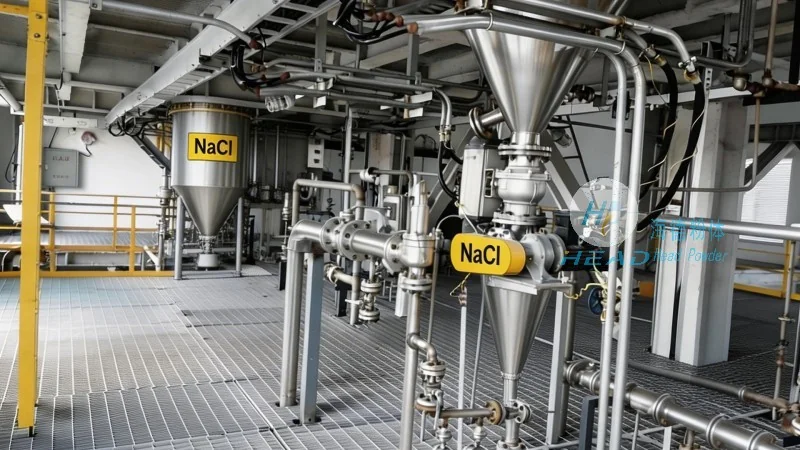
Considerations for Design and Implementation
When designing and implementing a soil pneumatic conveying system, several factors must be considered to ensure optimal performance and longevity. First, the system must be sized appropriately based on the material's flow characteristics, including its bulk density, particle size distribution, and moisture content. This involves calculating the required air velocity and pressure to maintain a consistent flow and prevent blockages. Second, the materials used in the system must be compatible with the soil being transported, avoiding corrosion or degradation over time. Stainless steel is often preferred for its durability and resistance to corrosion, especially in systems handling acidic or high-moisture soils. Third, the system must be equipped with proper maintenance and monitoring features, such as pressure gauges and flow meters, to detect and address issues promptly. Regular maintenance, including cleaning and inspection of components, is essential to prevent wear and ensure the system operates efficiently over its lifespan.
Conclusion: The Role of Soil Pneumatic Conveying in Modern Material Handling
Soil pneumatic conveying systems represent a highly effective and versatile solution for transporting bulk materials, particularly soils, in various industrial and construction applications. By understanding the design principles and components of these systems, engineers and operators can optimize performance, improve efficiency, and ensure safe and environmentally responsible material handling. The technology's ability to handle difficult-to-transport materials, reduce dust, and provide flexibility in layout makes it an essential tool in modern material handling processes. As industries continue to demand more efficient and sustainable solutions, soil pneumatic conveying systems will likely remain a critical component in the handling of bulk materials, contributing to the advancement of construction, mining, and environmental remediation projects.