

What is a Tea Pneumatic Conveying System? What Are Its Design Principles?
Tea processing involves numerous steps, from withering and rolling to drying and packaging. Among the critical equipment used in this industry is the tea pneumatic conveying system. This technology plays a vital role in efficiently transporting loose tea leaves, tea powder, and other tea products through a pipeline using air pressure. Understanding how these systems work and their design principles is essential for optimizing tea production processes and ensuring product quality.
What is a Tea Pneumatic Conveying System?
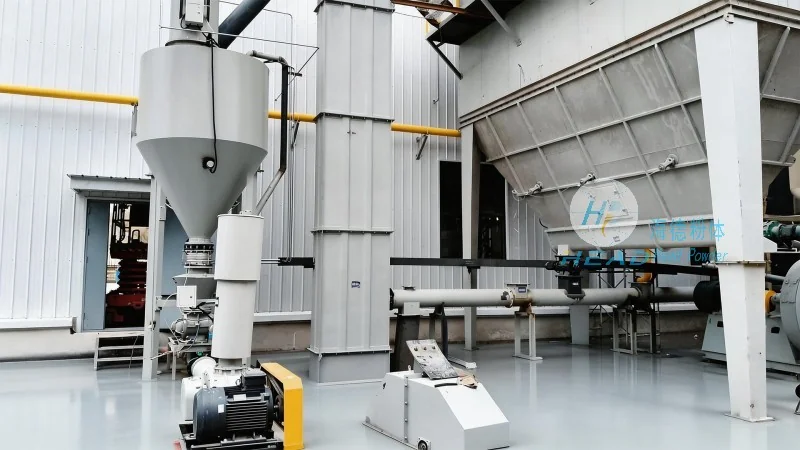
A tea pneumatic conveying system is a mechanical system designed to transport solid materials, such as tea leaves or tea powder, through a pipeline using air as the conveying medium. Unlike traditional mechanical conveyors that rely on belts or chains, pneumatic systems utilize compressed air to move materials. This method is particularly advantageous in the tea industry due to the delicate nature of tea leaves, which can be easily damaged by mechanical friction or impact. The system typically consists of a hopper, a conveyor line, a control valve, and a receiver. The hopper holds the raw tea material, and when the system is activated, compressed air is introduced into the conveyor line, creating a flow that carries the tea particles through the pipeline to the desired destination, such as a drying machine or a packaging unit.
Key Components of a Tea Pneumatic Conveying System
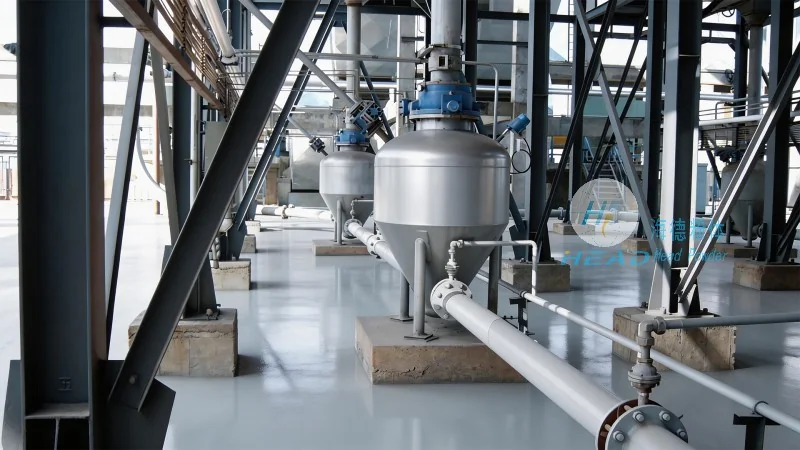
Several key components work together to ensure the efficient operation of a tea pneumatic conveying system. The first is the material hopper, which stores the tea leaves or powder before they are conveyed. The hopper is usually equipped with a feeder, such as a rotary valve or a star valve, that controls the flow of material into the conveyor line. The conveyor line itself is made of durable materials like stainless steel or plastic, designed to withstand the abrasive nature of tea particles and resist corrosion. The control valve, often a rotary or slide valve, regulates the air flow and pressure within the system, ensuring consistent material transport. Finally, the receiver is the destination where the tea is deposited, such as a silo or a processing machine. Each component must be carefully selected and maintained to prevent blockages, leaks, or material degradation.
Design Principles of Tea Pneumatic Conveying Systems
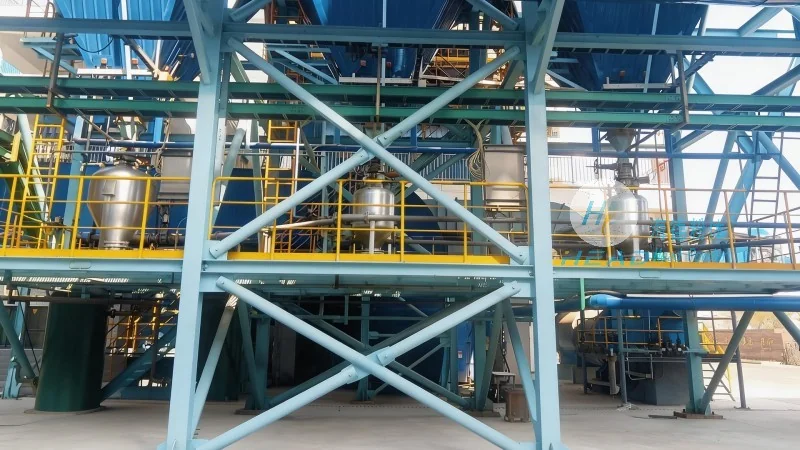
The design of a tea pneumatic conveying system is based on several fundamental principles to ensure optimal performance and product integrity. The first principle is the selection of the appropriate conveying method, which can be classified as dilute-phase or dense-phase. Dilute-phase systems use low air velocity and high air-to-material ratios, suitable for light materials like tea powder. Dense-phase systems, on the other hand, use higher air velocity and lower air-to-material ratios, ideal for heavier or more delicate materials like whole tea leaves. The choice of method depends on the specific characteristics of the tea product, such as particle size, density, and moisture content. Another critical design principle is the calculation of air velocity and pressure. The air velocity must be sufficient to prevent material settling in the pipeline but not so high as to cause excessive wear or energy consumption. The pressure drop across the system must be minimized to reduce energy costs and ensure smooth operation. Additionally, the system design must consider the layout and distance of the conveyor line, as well as the number of bends and fittings, which can affect the overall efficiency and reliability of the system.
Benefits of Using Tea Pneumatic Conveying Systems
Tea pneumatic conveying systems offer numerous benefits in the tea processing industry. One of the primary advantages is the ability to transport tea materials in a clean and hygienic manner. Unlike mechanical conveyors, which can introduce contaminants or damage the product, pneumatic systems keep the tea particles enclosed within the pipeline, reducing the risk of contamination from dust, moisture, or external factors. This is particularly important for high-quality tea products, where maintaining purity and flavor is crucial. Another benefit is the flexibility of the system, which allows for easy integration with other processing equipment, such as drying ovens or packaging machines. The system can be customized to fit the specific needs of a tea processing facility, including the size of the hopper, the length of the conveyor line, and the type of control valve. Furthermore, pneumatic conveying systems are energy-efficient compared to traditional methods, as they use less power to transport materials over long distances. This can lead to significant cost savings for tea processing companies, especially those with large-scale operations.
Applications in Tea Processing
Tea pneumatic conveying systems are widely used in various stages of tea processing. In the initial stages, they are used to transport freshly harvested tea leaves from the withering and rolling machines to the drying equipment. This ensures that the leaves are processed promptly, preserving their flavor and aroma. In the later stages, the system is used to convey dried tea leaves or tea powder to packaging units, where they are sealed into bags or containers. The system can also be used to transport tea waste or byproducts to disposal or recycling facilities. The versatility of the tea pneumatic conveying system makes it an essential component in modern tea processing plants, enabling efficient and continuous production.
Maintenance and Troubleshooting
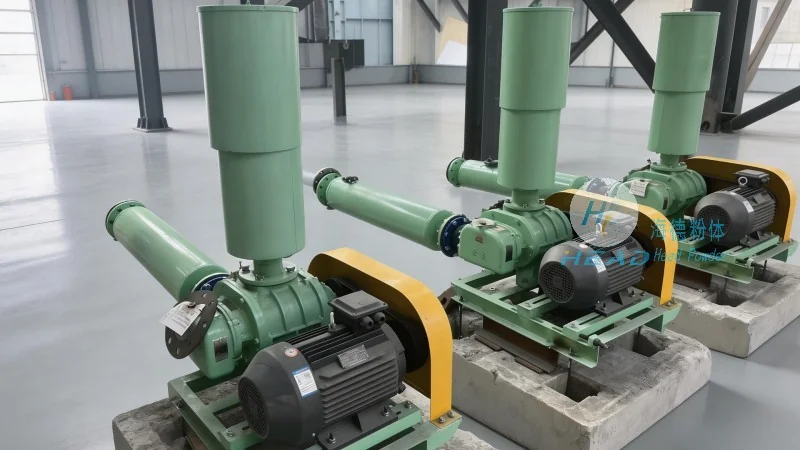
To ensure the long-term performance and reliability of a tea pneumatic conveying system, regular maintenance is essential. The system should be inspected regularly for signs of wear and tear, such as leaks in the pipeline or damage to the control valve. The hopper and conveyor line should be cleaned periodically to prevent the buildup of tea residue, which can affect the flow of material and increase the risk of blockages. The air compressor and filter should also be checked and maintained to ensure that the air supplied to the system is clean and free of contaminants. If the system experiences issues, such as reduced conveying capacity or increased energy consumption, it is important to troubleshoot the problem promptly. Common issues include clogged filters, low air pressure, or damaged components. By addressing these issues in a timely manner, tea processing companies can minimize downtime and maintain the efficiency of their production processes.
About HeadPowder: A Leading Provider of Tea Processing Solutions
HeadPowder, or Shandong HeadPowder Engineering Co., Ltd., is a professional manufacturer and supplier of tea processing equipment, including tea pneumatic conveying systems. With years of experience in the tea industry, HeadPowder has developed advanced technology and expertise to design and manufacture high-quality conveying systems that meet the specific needs of tea processing facilities. The company's products are known for their durability, efficiency, and reliability, and are widely used in tea processing plants across China and other countries. HeadPowder's team of engineers and technicians is dedicated to providing excellent customer service and support, ensuring that clients receive the best possible solutions for their tea processing needs. The company's headquarters is located in Shandong, China, where it operates a state-of-the-art manufacturing facility and research center. HeadPowder is committed to innovation and quality, and continues to develop new technologies to improve the efficiency and productivity of tea processing operations.