

What is a Gypsum and Calcium Powder Pneumatic Conveying System? And What Are Its Design Principles?
For industrial applications that require the efficient and safe transport of gypsum and calcium powder, a specialized pneumatic conveying system is often the optimal solution. This article, presented by Shandong HeadPowder Engineering Co., Ltd. (headpowder), will explore the concept of a gypsum and calcium powder pneumatic conveying system, detailing its fundamental design principles and operational benefits.

Understanding the Gypsum and Calcium Powder Pneumatic Conveying System
A pneumatic conveying system is a method of transporting bulk materials, such as powders, through a pipeline using air or gas as the conveying medium. In the case of gypsum and calcium powder, these systems are engineered to handle materials that are often fine, abrasive, and sensitive to moisture. The system typically consists of a material hopper, a feeder, a conveying line, and a receiver, all working in tandem to move the powder from its source to its destination.
Key Components and Their Functions
The effectiveness of a gypsum and calcium powder pneumatic conveying system relies on several critical components, each playing a specific role in the material handling process.
First, the material hopper serves as the storage and feeding unit. It is designed to hold the gypsum or calcium powder and provide a consistent flow of material to the feeder. The hopper is often equipped with a discharge valve or a rotary valve to control the rate at which the powder is released.
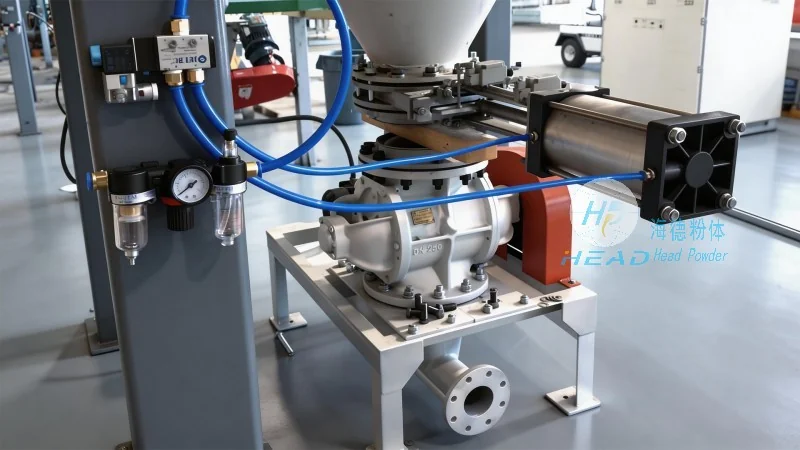
Second, the feeder is responsible for accurately metering the material and introducing it into the conveying line. There are various types of feeders, including rotary valves, star feeders, and screw feeders, each suited to different material characteristics and flow rates. The feeder ensures that the powder is introduced into the system at a controlled rate, preventing blockages and maintaining system efficiency.
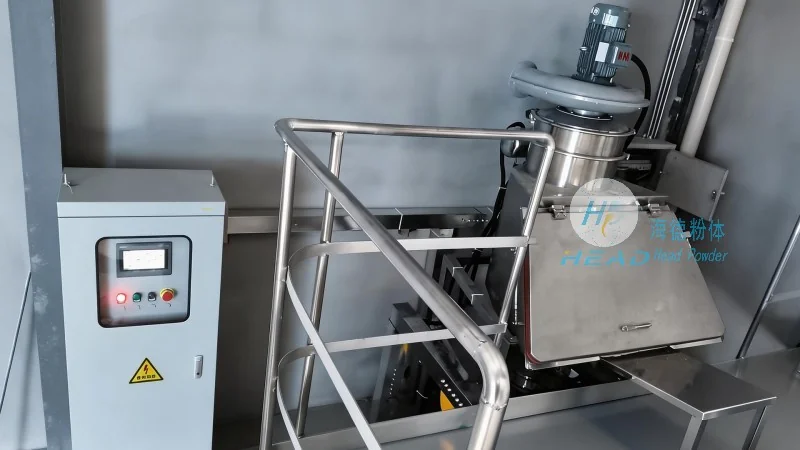
Third, the conveying line is the pipeline through which the powder and air travel. It is typically made of materials resistant to corrosion and abrasion, such as stainless steel or special plastic composites, to withstand the handling of fine powders. The line may include bends, elbows, and expansion joints to accommodate changes in direction and pressure, ensuring smooth material transport.
Fourth, the receiver is the terminal unit where the conveyed powder is deposited. It is designed to collect the material and may include a dust collection system to prevent airborne particles from escaping. The receiver is often equipped with a discharge valve to allow the material to be released into a storage bin or processing equipment.
Design Principles for Efficient Operation
The design of a gypsum and calcium powder pneumatic conveying system is guided by several key principles to ensure optimal performance, reliability, and safety.
One of the primary design principles is the selection of the appropriate conveying velocity. The velocity of the air or gas must be sufficient to lift and transport the powder particles without causing excessive wear on the system components. This velocity is determined by factors such as the particle size, density, and moisture content of the material, as well as the system's pressure and flow rate.
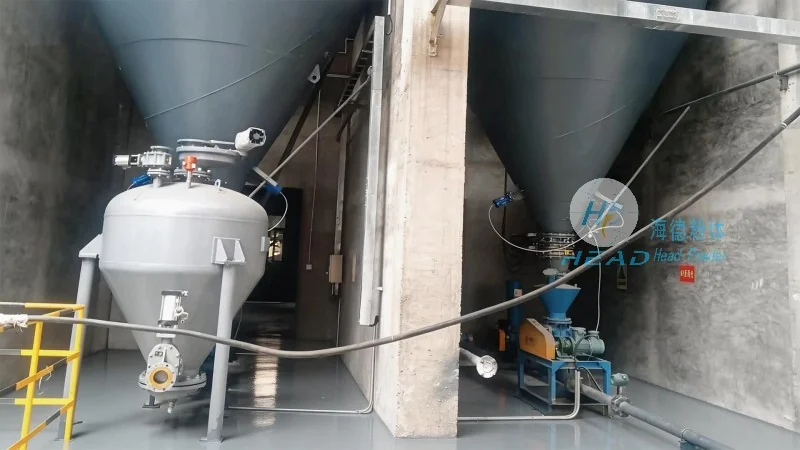
Another critical principle is the system's pressure and flow rate. The system operates under either positive or negative pressure, depending on the application. Positive pressure systems use compressed air to push the material through the line, while negative pressure systems use vacuum to pull the material. The pressure and flow rate are carefully calibrated to maintain a consistent material flow and prevent clogging or air leakage.
Additionally, the system's design must consider the material's properties, such as its abrasiveness and moisture sensitivity. Abrasive materials may require more robust components, such as wear-resistant liners and high-quality seals, to extend the system's lifespan. Moisture-sensitive materials may need to be handled in a dry environment, with the system designed to minimize exposure to humidity and prevent clumping or caking.
Energy efficiency is also a key design consideration. The system is engineered to minimize energy consumption while maintaining the required conveying capacity. This may involve optimizing the air velocity, reducing pressure losses in the line, and using efficient feeders and receivers.
Benefits of Using a Gypsum and Calcium Powder Pneumatic Conveying System
Implementing a pneumatic conveying system for gypsum and calcium powder offers several advantages over traditional methods, such as bucket elevators or belt conveyors.
First, the system provides a closed-loop operation, which helps to contain dust and prevent contamination. This is particularly important for gypsum and calcium powder, which can be fine and easily airborne. The closed system also reduces the risk of material loss and improves overall safety in the workplace.
Second, pneumatic conveying systems are highly flexible and can be easily integrated into existing production lines. They can be configured to handle multiple materials or to transport materials over long distances, making them suitable for a wide range of industrial applications.
Third, the system offers improved material handling efficiency. By using air as the conveying medium, the system can transport materials at a higher rate than traditional methods, reducing processing time and increasing overall productivity.
Fourth, the system is relatively low maintenance compared to other material handling equipment. The components are designed to be durable and long-lasting, with minimal moving parts that require regular servicing. This reduces downtime and maintenance costs over the system's lifespan.
Conclusion
Gypsum and calcium powder pneumatic conveying systems are sophisticated and efficient solutions for transporting bulk materials in industrial settings. By understanding the key components, design principles, and operational benefits of these systems, businesses can make informed decisions about implementing the right equipment for their specific needs. The system's ability to handle fine, abrasive materials while maintaining safety and efficiency makes it a valuable asset in industries such as construction, pharmaceuticals, and food processing.