

What is a Phosphate Iron Pneumatic Conveying System? What are its Design Principles?
Phosphate iron, a critical material in modern industrial applications, often requires efficient and reliable handling solutions. The phosphate iron pneumatic conveying system is a specialized technology designed to transport this material safely and effectively. This article explores the fundamental concepts of such a system and its underlying design principles, with a focus on the expertise of companies like Shandong HeadPowder Engineering Co., Ltd., which specializes in engineering and manufacturing advanced material handling systems.
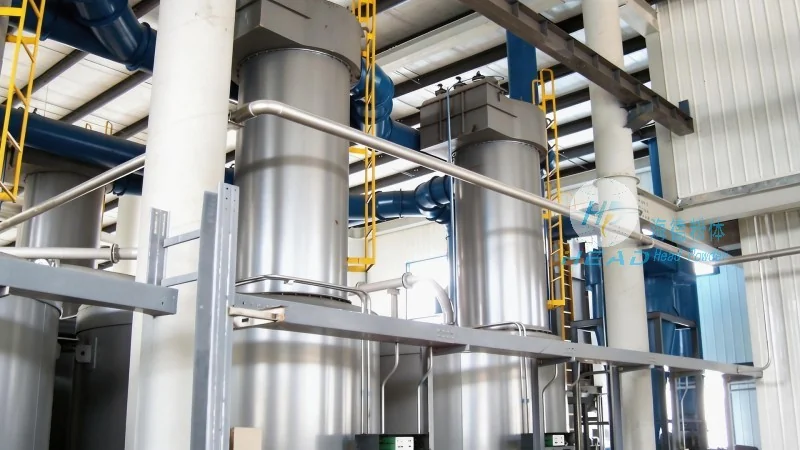
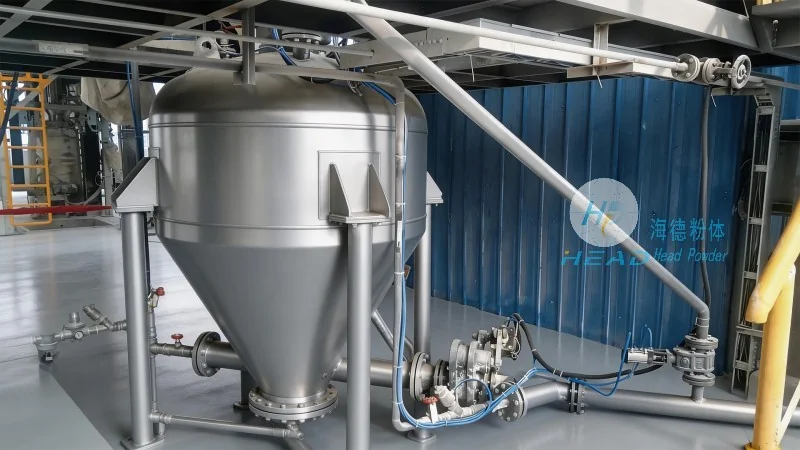
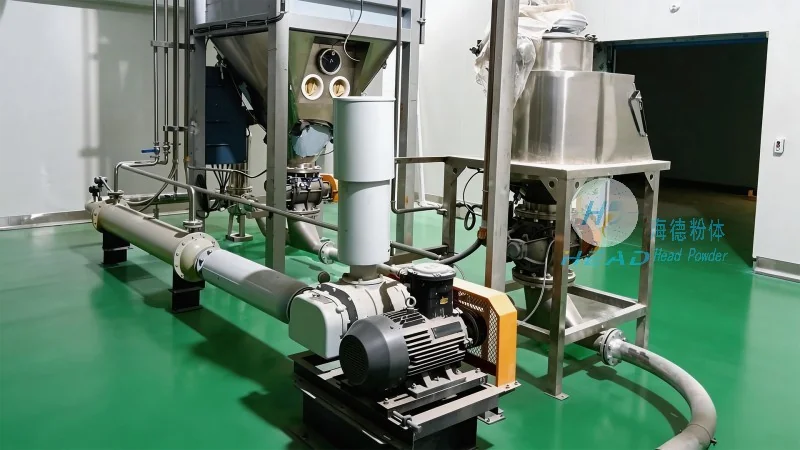
Understanding the Phosphate Iron Pneumatic Conveying System
At its core, a phosphate iron pneumatic conveying system utilizes air or other gas streams to move phosphate iron particles from one location to another. This method is particularly advantageous for materials that are dusty, abrasive, or require minimal contact with equipment, as it reduces wear and contamination risks. The system typically consists of several key components, including a material feed hopper, a conveying line (often equipped with pressure or vacuum pumps), and a discharge point. The feed hopper ensures a consistent flow of phosphate iron into the system, while the conveying line transports the material through a network of pipes. The discharge point then delivers the material to its final destination. The system operates by creating a pressure differential or a vacuum in the conveying line, which draws the phosphate iron particles into the air stream. The air then carries the particles to the discharge point, where they are collected and processed further.