

What is a Clay Sand Pneumatic Conveying System? What Are Its Design Principles?
Clay sand pneumatic conveying systems are specialized industrial equipment designed to transport clay sand and similar bulk materials through a pipeline using air pressure. These systems are widely used in various industries, including foundries, construction, and mining, due to their efficiency and ability to handle abrasive materials like clay sand. Understanding the core components and design principles of such systems is crucial for optimizing material handling processes and ensuring operational reliability.
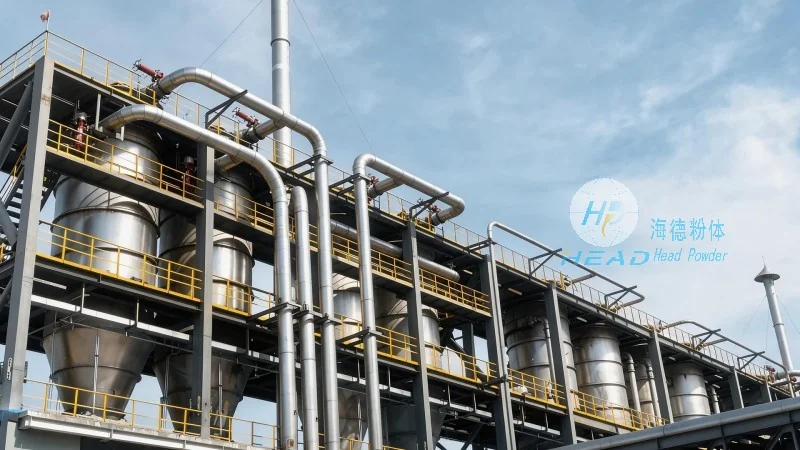
Key Components of a Clay Sand Pneumatic Conveying System
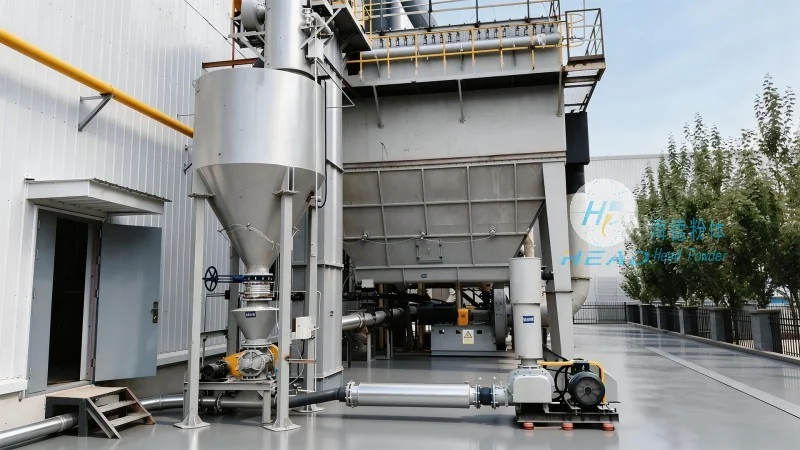
A typical clay sand pneumatic conveying system consists of several key components that work in tandem to facilitate material transport. The primary components include a material hopper, a feeder, a conveying line, a dust collector, and a control system. The material hopper serves as the storage container for the clay sand, ensuring a consistent feed to the system. The feeder, often a rotary valve or a screw feeder, regulates the flow of material into the conveying line, preventing blockages and maintaining a steady air-material ratio. The conveying line, usually made of metal or high-density plastic, transports the material and air mixture from the hopper to the discharge point. A dust collector is integrated to capture and filter any airborne particles, ensuring compliance with environmental regulations and improving air quality. The control system monitors and adjusts the pressure, flow rate, and other parameters to optimize the conveying process.
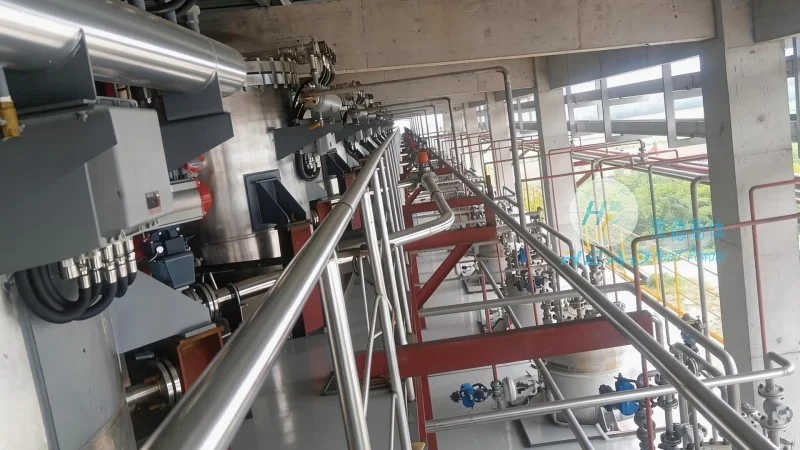
Design Principles for Efficient Clay Sand Conveying
The design of a clay sand pneumatic conveying system follows several critical principles to ensure efficient and reliable operation. One of the fundamental principles is maintaining an appropriate air-to-material ratio. This ratio is crucial for preventing material settling or blockages in the pipeline. Engineers calculate the required air velocity based on the material's properties, such as particle size, density, and moisture content. For clay sand, which is often abrasive and has a high moisture content, higher air velocities may be required to maintain a fluidized state and prevent clogging. Another key design principle is the selection of suitable materials for the conveying line and components. Since clay sand can be abrasive, the pipeline and associated parts are typically made of stainless steel or high-grade plastic to withstand wear and corrosion. The system's design also considers the system's pressure and flow capacity, ensuring it can handle the required throughput without excessive energy consumption. Additionally, the layout of the conveying line is optimized to minimize bends and changes in direction, as sharp turns can cause material deposition and reduce system efficiency.
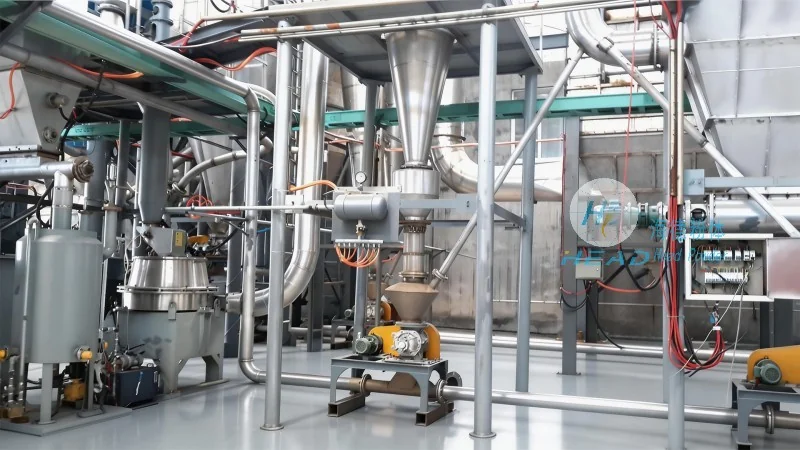
Operational Considerations and Maintenance
Operational considerations play a vital role in the long-term performance of a clay sand pneumatic conveying system. Regular maintenance is essential to ensure the system operates at peak efficiency. This includes cleaning the dust collector, checking for wear on the conveying line and components, and verifying the performance of the feeder and control system. Monitoring the system's pressure and flow rates during operation helps identify any issues early, preventing costly downtime. Additionally, the system's design should account for variations in material properties, such as changes in moisture content or particle size, which can affect conveying performance. By adhering to these operational guidelines and maintenance schedules, users can maximize the lifespan and efficiency of their clay sand pneumatic conveying system.
About Shandong HeadPowder Engineering Co., Ltd.
Shandong HeadPowder Engineering Co., Ltd., a leading manufacturer of industrial conveying systems, specializes in providing customized solutions for clay sand and other bulk material handling applications. With a focus on innovation and quality, the company has developed advanced pneumatic conveying systems that meet the stringent requirements of modern industrial processes. HeadPowder's expertise in material handling technology ensures that their systems are designed to handle the unique challenges posed by clay sand, such as abrasiveness and moisture content. The company's commitment to customer satisfaction and technical support has made it a trusted partner for businesses seeking reliable and efficient material transport solutions. Based in Shandong, China, HeadPowder leverages its local resources and expertise to deliver high-quality products and services to clients worldwide.