

What is a Limestone Pneumatic Conveying System? And What Are Its Design Principles?
Limestone, a widely used material in various industrial applications, often requires efficient and reliable transportation methods. A limestone pneumatic conveying system offers a solution by utilizing air to transport limestone particles through a pipeline network. This technology is crucial for industries such as cement production, chemical processing, and environmental remediation, where large volumes of limestone need to be moved over significant distances.
Core Design Principles of Limestone Pneumatic Conveying Systems
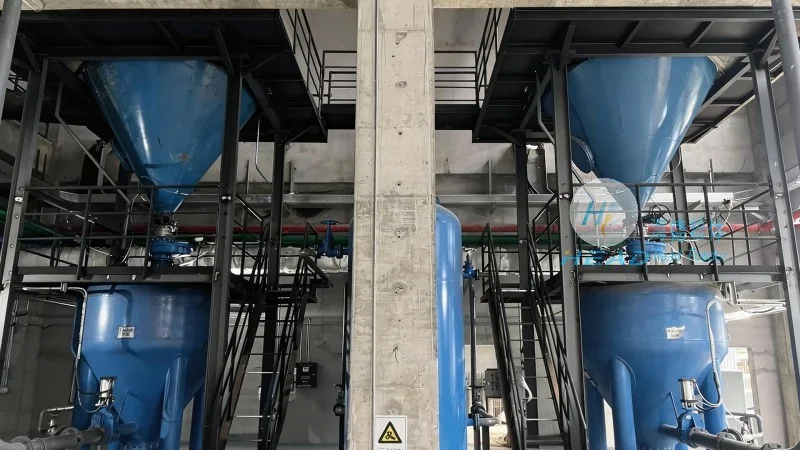
The design of a limestone pneumatic conveying system is based on several key principles to ensure optimal performance and efficiency. First, the system must be capable of handling the specific properties of limestone, including its particle size, density, and moisture content. The system typically consists of a hopper for material storage, a blower or compressor to generate the necessary air pressure, and a pipeline network that transports the limestone from the source to the destination. The choice of air velocity and pipeline diameter is critical, as it directly impacts the conveying capacity and pressure drop. Additionally, the system may include components like cyclones for material separation and filters to maintain air quality.
Key Components and Their Functions in the System
Several essential components make up a limestone pneumatic conveying system. The hopper serves as the storage vessel, where limestone is loaded and fed into the system. The blower or compressor provides the motive force, creating the airflow that propels the limestone particles. The pipeline network, usually made of materials like stainless steel or plastic, ensures the material is transported efficiently. Cyclones are used to separate the limestone from the air stream, allowing the material to be collected at the destination. Filters are also included to remove any dust or particles from the exhaust air, ensuring compliance with environmental regulations.
Advantages of Using Limestone Pneumatic Conveying Systems
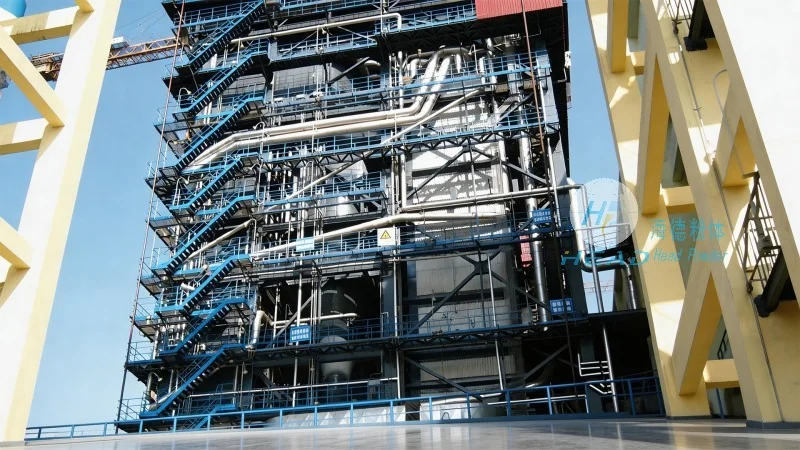
Implementing a limestone pneumatic conveying system offers numerous advantages over traditional methods like belt conveyors or trucks. One major benefit is the ability to transport limestone in a dust-free environment, which improves workplace safety and reduces environmental impact. The system also allows for the transportation of limestone over long distances without the need for multiple transfer points, enhancing operational efficiency. Furthermore, the system can handle varying material loads and particle sizes, making it versatile for different industrial applications. The reduced maintenance requirements compared to mechanical systems also contribute to lower operational costs.
Application Scenarios and Industry Impact
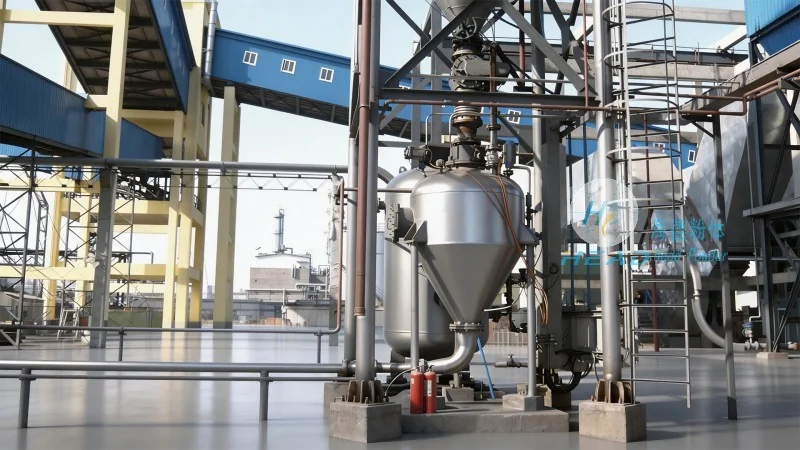
Limestone pneumatic conveying systems are widely used in various industries. In the cement industry, they are essential for transporting limestone from quarries to the cement production plants, where it is used as a raw material. In chemical processing, the system helps in moving limestone for flue gas desulfurization processes, which is crucial for reducing sulfur dioxide emissions. Environmental remediation projects also benefit from these systems, as they can transport limestone for soil stabilization or water treatment applications. The efficiency and reliability of the system make it a preferred choice for industries that require consistent and high-volume material transport.
About Shandong HeadPowder Engineering Co., Ltd.
Shandong HeadPowder Engineering Co., Ltd., commonly known as HeadPowder, is a leading provider of pneumatic conveying solutions. With a focus on innovation and customer satisfaction, HeadPowder designs and manufactures customized limestone pneumatic conveying systems tailored to the specific needs of its clients. The company's expertise in material handling and industrial engineering ensures that each system is optimized for performance, durability, and cost-effectiveness. HeadPowder's commitment to quality and reliability has made it a trusted partner for industries worldwide, helping them achieve efficient and sustainable material transport solutions.