

What is a Graphite Lumps Pneumatic Conveying System? What Are Its Design Principles?
Graphite lumps pneumatic conveying systems are specialized industrial equipment designed to transport graphite lumps efficiently and safely. These systems utilize air as the primary medium to move bulk materials through a pipeline network, offering advantages such as reduced material handling costs, improved safety compared to traditional methods, and enhanced process control. The core of these systems lies in their ability to handle abrasive or delicate materials like graphite, which requires careful consideration of design elements to ensure optimal performance and longevity. Developed by Shandong HeadPowder Engineering Co., Ltd. (headpowder), these systems are engineered to meet the specific needs of industries dealing with graphite materials, providing reliable and efficient material transport solutions.
Key Design Principles of Pneumatic Conveying Systems for Graphite Lumps
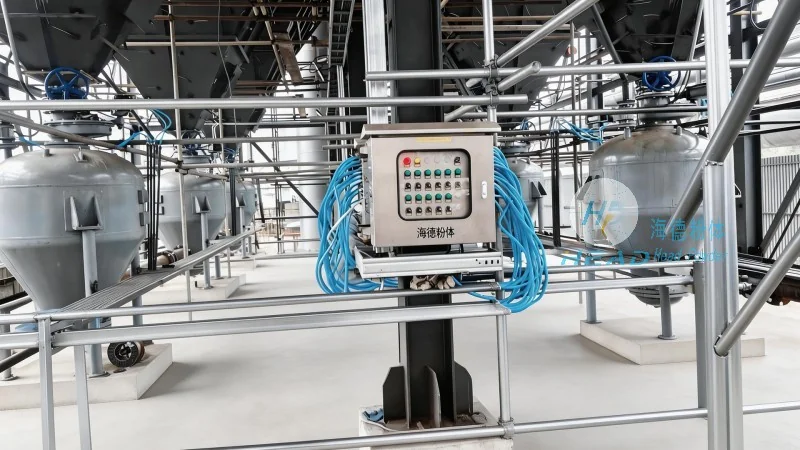
The design of a graphite lumps pneumatic conveying system involves several critical principles that ensure reliable operation. First, the system must be tailored to the specific characteristics of graphite lumps, including their size, density, and flowability. This involves selecting appropriate air velocities and pressure levels to prevent material degradation or blockages. Second, the system incorporates components like feeders, cyclones, and filters to manage the material flow and maintain system cleanliness. For instance, a positive displacement blower or a rotary lobe pump is often used to generate the necessary air pressure, while a rotary valve feeder ensures a consistent material feed rate. The pipeline design, including bends and straight sections, is optimized to minimize pressure drop and prevent particle segregation. Additionally, the system includes dust collection and filtration systems to comply with environmental regulations and maintain air quality. These design elements collectively ensure that the system operates efficiently, with minimal downtime and maintenance costs.
Components and Their Roles in Graphite Lumps Pneumatic Conveying
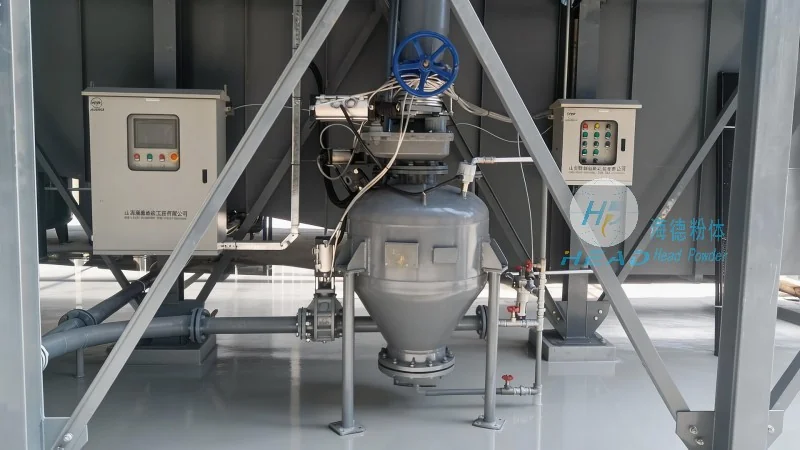
Graphite lumps pneumatic conveying systems consist of several key components, each playing a vital role in the overall operation. The primary components include the material feed system, the air supply unit, the conveying pipeline, and the material separation and collection units. The material feed system typically uses a rotary valve or a screw feeder to introduce graphite lumps into the system at a controlled rate. This ensures a steady flow of material into the pipeline, preventing overloading or underloading. The air supply unit, such as a positive displacement blower or a centrifugal fan, generates the necessary air pressure to move the material through the pipeline. The conveying pipeline is made of materials resistant to graphite abrasion, such as stainless steel or special alloys, to prevent wear and corrosion. The pipeline design includes bends and straight sections with appropriate diameters to maintain consistent air velocity and prevent material deposition. The material separation unit, often a cyclone separator, uses centrifugal force to separate the graphite lumps from the air stream. The separated material is then collected in a hopper or storage bin, while the air is filtered and discharged. The filtration system, including bag filters or cartridge filters, ensures that the air released from the system meets environmental standards and does not contaminate the surrounding environment. Each component is carefully selected and integrated to ensure the system operates efficiently and reliably, with minimal maintenance requirements.
Advantages of Using Pneumatic Conveying for Graphite Lumps
Graphite lumps pneumatic conveying systems offer several advantages over traditional material handling methods. One of the key benefits is the ability to transport materials over long distances without the need for intermediate storage or transfer points. This reduces the risk of material contamination and improves process efficiency. Additionally, the system is enclosed, which minimizes dust exposure and enhances workplace safety. Unlike traditional methods like belt conveyors or bucket elevators, pneumatic conveying systems do not require physical contact with the material, reducing wear and tear on equipment and extending its lifespan. The system also allows for precise control over the material flow rate and pressure, enabling better process control and product quality. Furthermore, the enclosed design helps in maintaining a clean and organized workspace, which is particularly important in industries where material purity is critical, such as graphite processing. These advantages make pneumatic conveying an ideal solution for handling graphite lumps in various industrial applications.
Applications of Graphite Lumps Pneumatic Conveying Systems
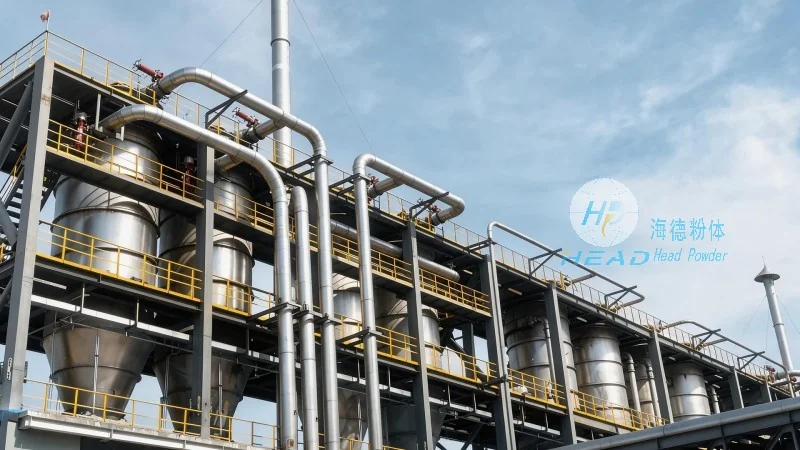
Graphite lumps pneumatic conveying systems are widely used in various industrial applications that require the efficient transport of graphite materials. One of the primary applications is in the graphite manufacturing industry, where these systems are used to transport raw graphite lumps from storage to processing equipment, such as grinding mills or mixing machines. The systems are also used in the production of graphite electrodes, where the material needs to be conveyed to the electrode manufacturing lines. In addition, these systems are utilized in the chemical and metallurgical industries, where graphite is used as a refractory material or a lubricant. The systems are also suitable for handling graphite in research and development laboratories, where precise material handling is required. The versatility of these systems allows them to be adapted to various industrial settings, from small-scale laboratory applications to large-scale industrial production lines. The ability to transport graphite lumps efficiently and safely makes these systems essential in industries where material purity and process efficiency are critical.
Maintenance and Operational Considerations for Graphite Lumps Pneumatic Conveying Systems
Proper maintenance and operational considerations are crucial for the long-term performance and reliability of graphite lumps pneumatic conveying systems. Regular maintenance activities include checking the air supply unit for proper operation, inspecting the conveying pipeline for signs of wear or damage, and cleaning the filtration system to ensure efficient air flow. The material feed system should be checked for proper alignment and operation to prevent material blockages. Additionally, the cyclone separator and other separation components should be cleaned regularly to maintain their efficiency. Operational considerations include monitoring the system's pressure and flow rates to ensure they are within the optimal range. This helps in identifying any potential issues early and preventing system downtime. The system should also be operated within the recommended parameters to avoid excessive wear or damage to components. Regular inspections and maintenance schedules should be established to ensure the system operates efficiently and reliably. By following these maintenance and operational guidelines, the system can provide long-term performance with minimal downtime and maintenance costs.