

How to Design a Reasonable Bentonite Pneumatic Conveying System Plan?
When it comes to handling and transporting bentonite—a key material in various industrial applications—designing an efficient and reliable pneumatic conveying system is crucial. A well-designed system not only ensures smooth material flow but also minimizes operational costs and enhances safety. This article will guide you through the essential steps and considerations for creating a rational bentonite pneumatic conveying system plan, with insights from Shandong HeadPowder Engineering Co., Ltd., a leading provider in the field.
Understanding the Core Components of Bentonite Pneumatic Conveying Systems
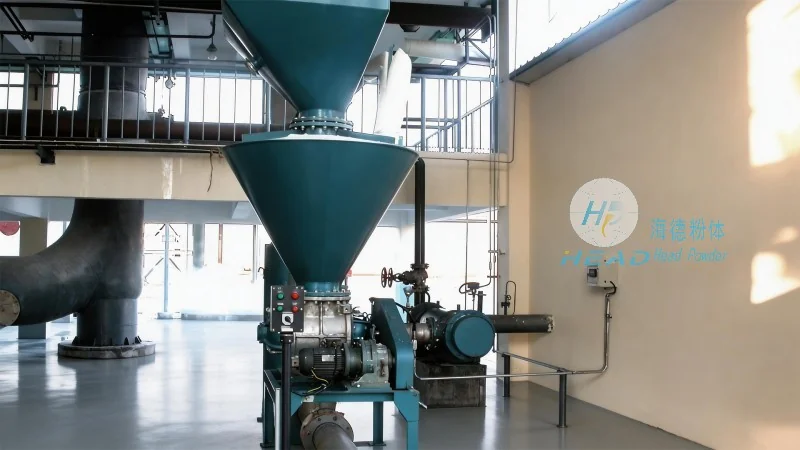
A pneumatic conveying system for bentonite typically consists of several critical components. The first is the material feed hopper, which stores and feeds the bentonite into the system. This hopper must be designed to handle the bulk density and flow characteristics of bentonite, ensuring consistent material supply. Next, the conveying line itself, which can be either positive or negative pressure, depending on the application. Positive pressure systems use a blower to push the material through the pipeline, while negative pressure systems use a vacuum to draw it. The choice between these depends on factors like the distance to be conveyed, the material's properties, and the desired system efficiency. Additionally, the system includes a receiver or discharge hopper at the end, where the bentonite is collected for further processing. Proper design of these components is vital to prevent blockages, ensure uniform flow, and maintain system performance.
Key Design Considerations for Efficient Bentonite Handling
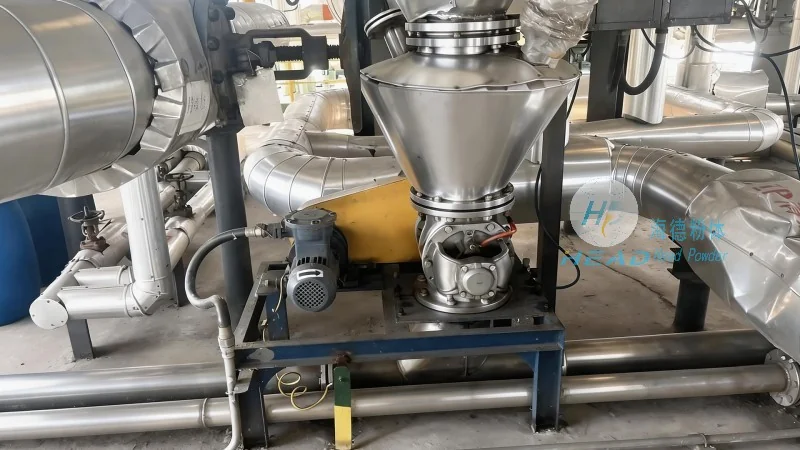
Designing a pneumatic conveying system for bentonite requires careful consideration of several factors. First, the material's physical properties, such as its particle size distribution, moisture content, and bulk density, directly impact system performance. Bentonite particles are often fine and can be prone to bridging or agglomeration, which can cause blockages in the pipeline. Therefore, incorporating features like vibrators or agitators in the feed hopper can help maintain flowability. Second, the system's capacity and flow rate must be matched to the production requirements. Overloading the system can lead to pressure drops and reduced conveying efficiency, while underutilizing it may result in higher energy costs. Shandong HeadPowder Engineering Co., Ltd. emphasizes the importance of conducting thorough material testing and flow analysis to determine the optimal system parameters. Third, the system's layout and pipeline design are critical. The pipeline should be sized appropriately to minimize pressure losses, and bends and fittings should be minimized to reduce friction and potential blockages. Additionally, the use of appropriate materials for the pipeline, such as stainless steel or corrosion-resistant alloys, is essential to prevent material degradation and system failure.
Optimizing System Performance with Advanced Technologies
Modern pneumatic conveying systems for bentonite can benefit from advanced technologies to enhance efficiency and reliability. One such technology is the use of variable frequency drives (VFDs) for the blower or vacuum pump. VFDs allow for adjustable airflow, enabling the system to operate at the optimal speed for different material loads and conveying distances. This not only improves energy efficiency but also reduces wear and tear on components. Another technology is the implementation of real-time monitoring and control systems. These systems can track key parameters like pressure, flow rate, and temperature, providing immediate alerts if any deviations occur. This proactive approach helps in early detection of issues, preventing system downtime and costly repairs. Furthermore, the integration of automated feeding and discharge mechanisms can streamline the entire process, reducing human intervention and improving operational consistency. Shandong HeadPowder Engineering Co., Ltd. leverages these advanced technologies to deliver systems that meet the highest standards of performance and reliability.
Ensuring Safety and Compliance in Bentonite Pneumatic Conveying
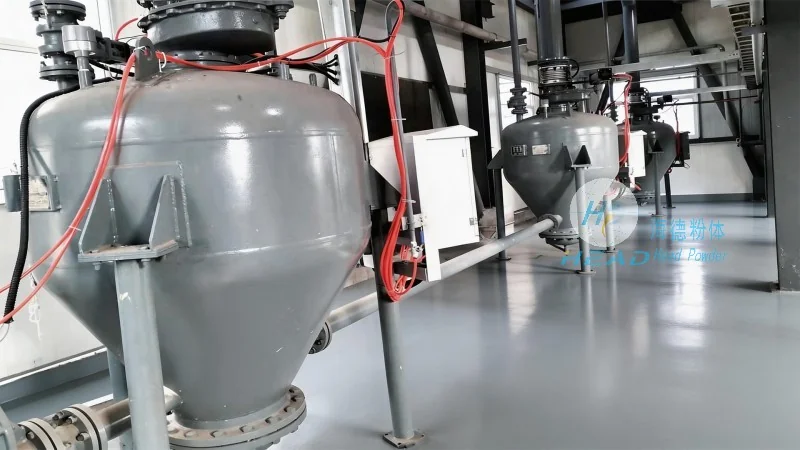
When designing a bentonite pneumatic conveying system, safety is a top priority. Bentonite is often used in industries where dust control is critical, such as in pharmaceuticals or food processing. Therefore, the system must be designed to minimize dust emissions and ensure proper ventilation. This includes the use of sealed hoppers and pipelines, as well as the installation of dust collection systems. Additionally, the system must comply with relevant safety regulations and standards, such as those related to explosion-proofing, especially in environments where dust can accumulate and pose a fire risk. Proper grounding and electrical safety measures are also essential to prevent electrical hazards. Shandong HeadPowder Engineering Co., Ltd. adheres to strict safety protocols and incorporates all necessary safety features into their designs, ensuring that their systems are not only efficient but also safe for operation.
Case Study: A Successful Bentonite Pneumatic Conveying System Implementation
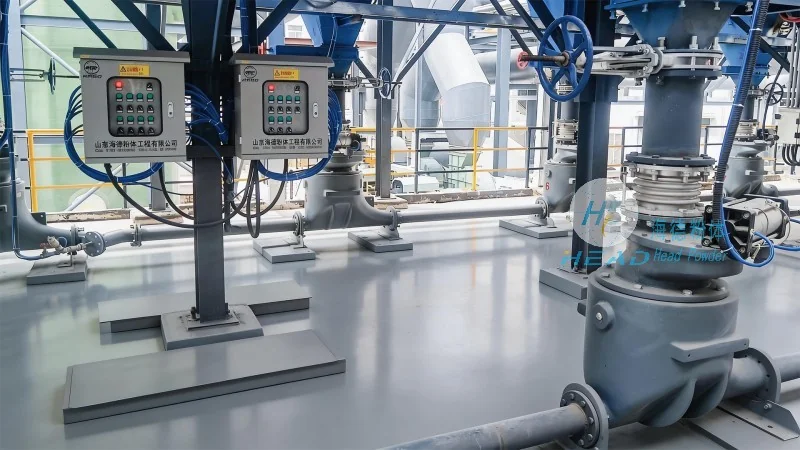
One example of a successful bentonite pneumatic conveying system implementation is a project undertaken by Shandong HeadPowder Engineering Co., Ltd. for a client in the pharmaceutical industry. The client required a system to transport fine bentonite powder from a storage silo to a processing plant over a distance of 200 meters. The system was designed as a positive pressure system with a stainless steel pipeline and a variable frequency drive blower. The feed hopper was equipped with a vibratory feeder to prevent bridging, and the discharge hopper was fitted with a dust collection system to comply with environmental regulations. The system was installed and commissioned by the company's technical team, who conducted thorough testing to ensure optimal performance. The final system achieved a conveying rate of 5 tons per hour with minimal pressure drop, and the client reported significant improvements in operational efficiency and safety. This case study highlights the importance of proper design, advanced technology, and expert implementation in creating a successful bentonite pneumatic conveying system.
Conclusion: Designing a Reliable Bentonite Pneumatic Conveying System
Designing a reasonable bentonite pneumatic conveying system plan involves a comprehensive approach that considers material properties, system components, operational requirements, and safety regulations. By carefully evaluating each aspect and incorporating the latest technologies, one can create a system that is efficient, reliable, and cost-effective. Shandong HeadPowder Engineering Co., Ltd. specializes in providing customized solutions for bentonite pneumatic conveying systems, leveraging their expertise and advanced technologies to meet the diverse needs of their clients. Whether for industrial, pharmaceutical, or other applications, their systems are designed to deliver optimal performance and ensure smooth material handling. With their commitment to quality and customer satisfaction, Shandong HeadPowder Engineering Co., Ltd. is a trusted partner for anyone seeking to design and implement a successful bentonite pneumatic conveying system.