

What is Aluminum Dross Pneumatic Conveying, Classification and Applications of Pneumatic Conveying
Aluminum dross, a byproduct of aluminum smelting and processing, poses significant challenges in handling and disposal. Pneumatic conveying, a technology that uses air to transport bulk materials, has emerged as an efficient solution for aluminum dross management. This article explores the fundamentals of aluminum dross pneumatic conveying, its classification, and practical applications in industrial settings.
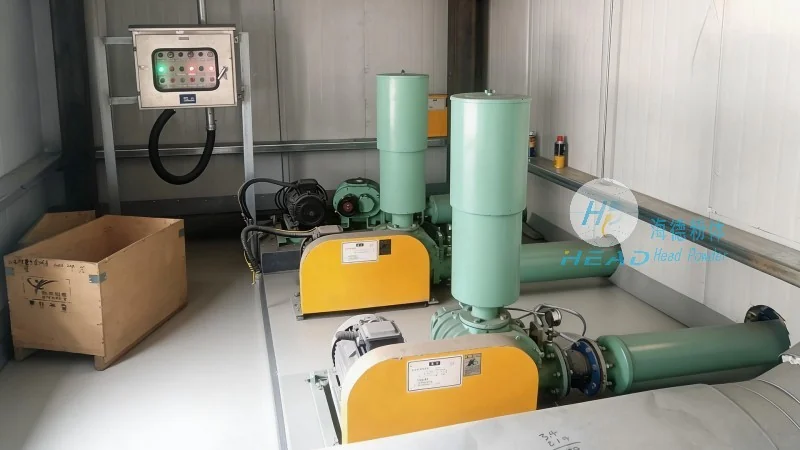
Understanding Aluminum Dross Pneumatic Conveying
Aluminum dross consists of a mixture of metal and slag, typically containing aluminum, iron, and other impurities. Conventional handling methods, such as manual shoveling or mechanical conveying, often lead to dust emissions and operational inefficiencies. Pneumatic conveying systems offer a dust-free, enclosed transport solution that minimizes environmental impact and enhances safety. The core principle involves creating a pressure differential to move aluminum dross through a pipeline using air or gas. This method is particularly suitable for handling abrasive and corrosive materials like aluminum dross, ensuring minimal equipment wear and extended service life.
Classification of Pneumatic Conveying Systems
Pneumatic conveying systems are broadly classified into two main categories: pressure and vacuum systems. Pressure systems operate by forcing air or gas into the material, creating a positive pressure that drives the flow. These systems are ideal for short to medium distances and high flow rates. Vacuum systems, on the other hand, use a vacuum pump to create a negative pressure, drawing material into the pipeline. They are better suited for longer distances and lower flow rates. Within these categories, subtypes include dense-phase and dilute-phase systems. Dense-phase conveying involves a higher material-to-air ratio, resulting in slower, more controlled flow, which reduces particle degradation and equipment wear. Dilute-phase systems use a lower material-to-air ratio, enabling faster transport but with higher energy consumption. The choice between pressure, vacuum, dense-phase, or dilute-phase depends on factors such as material characteristics, distance, and required flow rate.
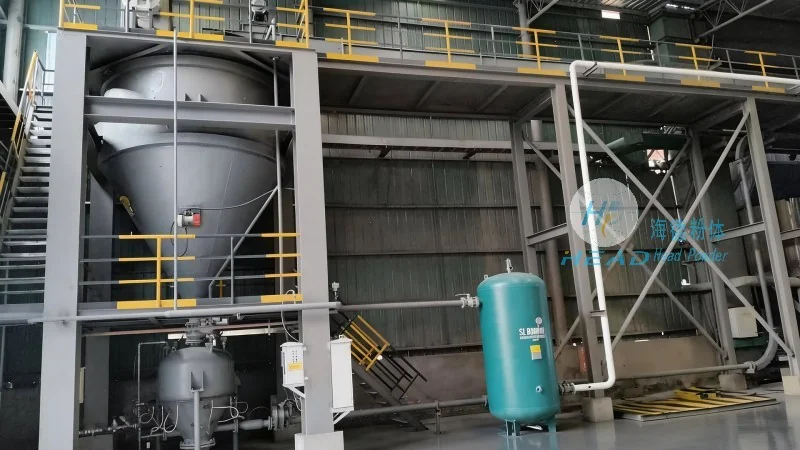
Applications of Aluminum Dross Pneumatic Conveying
Aluminum dross pneumatic conveying finds applications in various stages of the aluminum production cycle. In the primary processing stage, it is used to transport dross from collection points to processing facilities for recycling. The system efficiently moves dross to melting furnaces or treatment plants, ensuring a continuous supply of raw material. During secondary processing, pneumatic conveying is employed to transfer processed dross to storage or further treatment units. This stage often involves separating metal from slag, and the conveying system helps maintain a clean and organized workflow. Additionally, in environmental management, pneumatic conveying is used to transport dross to disposal or recycling centers, minimizing the risk of contamination and ensuring compliance with environmental regulations. The technology's ability to handle abrasive materials makes it suitable for industries where material degradation is a concern, such as aluminum smelting and foundries.
Benefits of Using Pneumatic Conveying for Aluminum Dross
Implementing pneumatic conveying systems for aluminum dross offers several advantages. Firstly, it provides a dust-free environment, reducing health hazards and improving workplace safety. Unlike mechanical conveying, which can generate significant dust, pneumatic systems enclose the material, preventing airborne particles from contaminating the workspace. Secondly, it enhances operational efficiency by automating the transport process, reducing labor costs and increasing throughput. The enclosed system also minimizes material loss, ensuring that the entire dross volume is transported to the destination. Thirdly, it reduces equipment wear and maintenance costs. The controlled flow in dense-phase systems minimizes particle impact on pipelines and components, extending the lifespan of the conveying equipment. Additionally, pneumatic conveying systems are flexible and can be integrated with existing industrial infrastructure, making them a cost-effective solution for upgrading or expanding aluminum processing facilities.
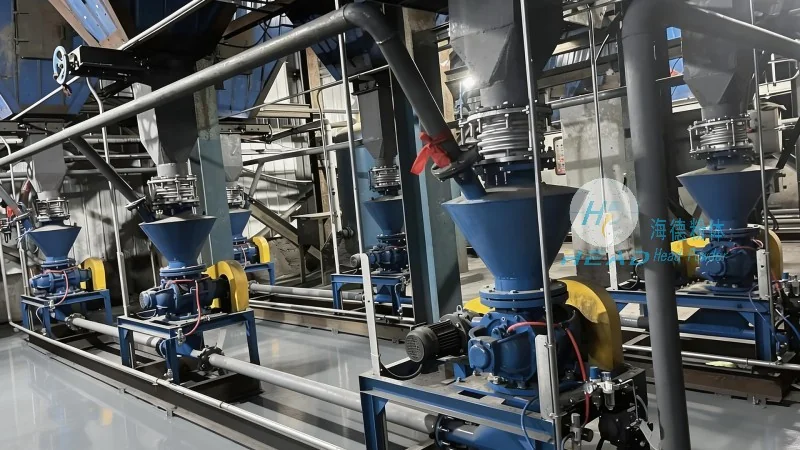
Case Study: Shandong HeadPowder Engineering Co., Ltd.
Shandong HeadPowder Engineering Co., Ltd., a leading provider of pneumatic conveying solutions, specializes in designing and manufacturing systems tailored to aluminum dross handling. The company's expertise lies in understanding the unique challenges of aluminum dross, such as its abrasive nature and varying composition. By leveraging advanced engineering and material science, HeadPowder has developed customized pneumatic conveying systems that meet the specific needs of aluminum smelting plants. For instance, a client in Shandong, China, implemented a pressure pneumatic conveying system to transport aluminum dross from collection bins to a recycling furnace. The system, equipped with dense-phase technology, reduced material degradation by 30% and decreased energy consumption by 20% compared to traditional methods. This case study highlights the effectiveness of pneumatic conveying in improving operational efficiency and sustainability in aluminum production. HeadPowder's commitment to innovation and customer satisfaction has made it a trusted partner for industries seeking reliable aluminum dross handling solutions.
Conclusion
Aluminum dross pneumatic conveying is a critical technology in modern aluminum production, offering efficient, safe, and environmentally friendly solutions for material transport. By understanding the classification of pneumatic systems and their applications, industries can optimize their operations and reduce costs. Companies like Shandong HeadPowder Engineering Co., Ltd. play a vital role in providing tailored solutions that address the specific challenges of aluminum dross handling. As the aluminum industry continues to evolve, the adoption of advanced pneumatic conveying systems will remain essential for sustainable and efficient production. The technology's benefits, including dust control, operational efficiency, and equipment longevity, make it a preferred choice for handling aluminum dross in industrial settings.