

Role of Pneumatic Conveying in the Transportation of Carboxymethyl Cellulose
Carboxymethyl cellulose (CMC) is a widely used chemical additive in various industries, including food, pharmaceuticals, and construction. Its ability to improve viscosity, stabilize emulsions, and enhance film-forming properties makes it an essential component in many production processes. However, the efficient and safe transportation of CMC from storage to processing units is a critical challenge for manufacturers. Pneumatic conveying, a technology that uses air or other gases to move bulk materials, has emerged as a reliable solution for handling CMC, offering advantages such as low maintenance, minimal product contamination, and the ability to transport materials over long distances without the need for mechanical components.
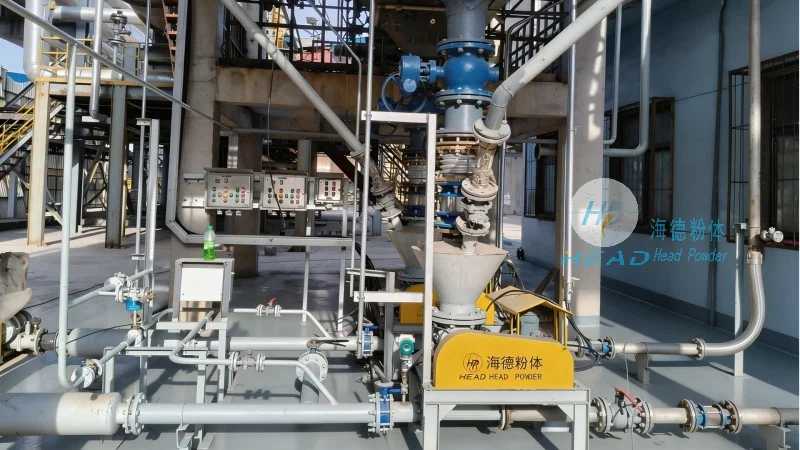
HeadPowder Engineering: A Leader in Pneumatic Conveying Solutions
Shandong HeadPowder Engineering Co., Ltd., commonly known as HeadPowder, is a prominent manufacturer specializing in pneumatic conveying systems. With a focus on innovation and customer satisfaction, HeadPowder has developed advanced technologies tailored to the unique requirements of CMC transportation. The company’s expertise lies in designing systems that ensure optimal performance, reliability, and cost-effectiveness for clients across different sectors. HeadPowder’s facilities are located in Shandong, China, where the company leverages local resources and industry knowledge to deliver high-quality solutions.
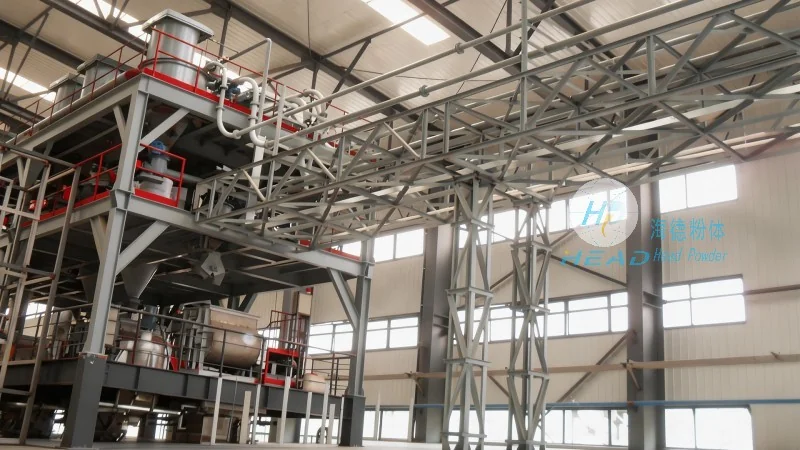
Key Advantages of Pneumatic Conveying for CMC
When transporting carboxymethyl cellulose, pneumatic conveying systems offer several benefits that traditional methods cannot match. First, the process is entirely enclosed, preventing dust and airborne particles from contaminating the environment or the product. This is particularly important for CMC, which is sensitive to contamination and requires strict hygiene standards. Second, pneumatic conveying allows for continuous, high-volume transport, reducing downtime and increasing overall productivity. The systems can handle varying flow rates and material characteristics, making them adaptable to different production needs. Additionally, the absence of moving parts in the conveying line minimizes wear and tear, leading to lower maintenance costs and longer system lifespans.
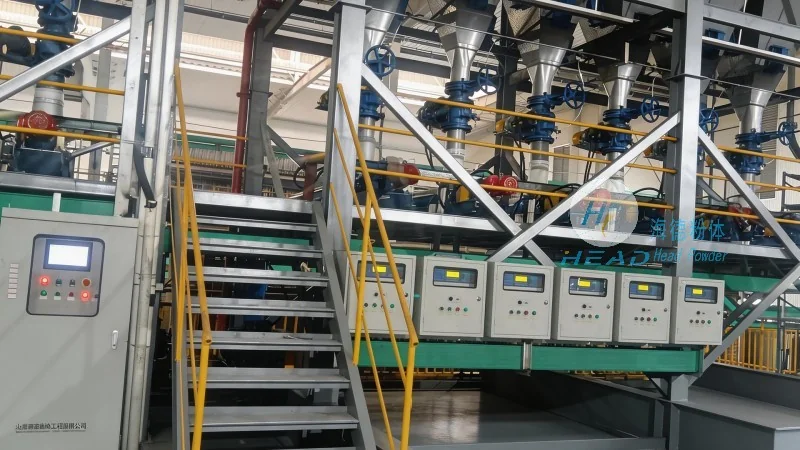
Technical Specifications and System Components
HeadPowder’s pneumatic conveying systems for CMC are designed with precision-engineered components that ensure consistent performance. The systems typically include a hopper for material storage, a feeder to control the flow rate, a conveying line (either positive or negative pressure), and a receiver for the discharged material. The choice between positive and negative pressure depends on the specific application and distance requirements. Positive pressure systems use compressed air to push the material through the line, while negative pressure systems use vacuum to draw the material. HeadPowder’s engineers carefully select the appropriate pressure type and equipment based on factors such as material density, moisture content, and the desired conveying distance. The company also incorporates advanced control systems that monitor pressure, flow rate, and temperature, ensuring the system operates within optimal parameters and alerting operators to any potential issues.
Applications and Industry Impact
The use of pneumatic conveying in CMC transportation has significantly improved operational efficiency and product quality across various industries. In the food industry, for example, CMC is used as a thickening agent in sauces and dressings. Pneumatic conveying systems enable manufacturers to transport CMC from storage silos to mixing lines without exposing the product to external contaminants, maintaining the high standards required for food safety. In the pharmaceutical sector, CMC is used as a binder and filler in tablets and capsules. The enclosed nature of pneumatic conveying ensures that the material remains sterile and free from microbial contamination, which is critical for pharmaceutical applications. Similarly, in the construction industry, CMC is used as a binder in adhesives and coatings. The ability to transport CMC efficiently and reliably supports the production of high-quality building materials.
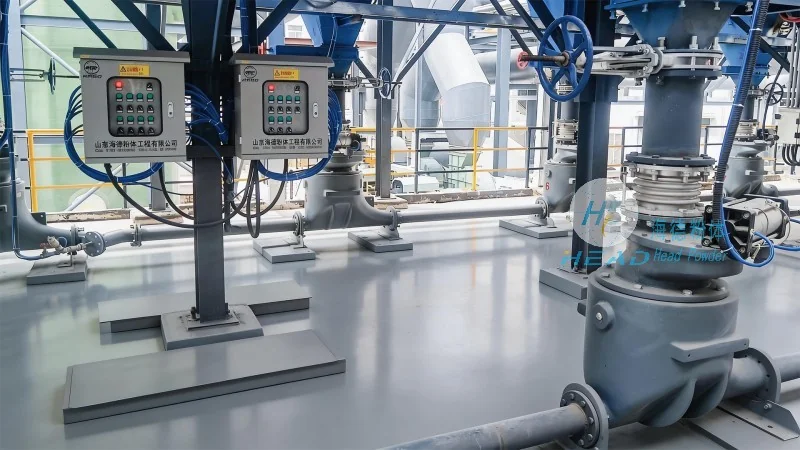
Conclusion and Future Outlook
As the demand for carboxymethyl cellulose continues to grow, the importance of efficient transportation methods becomes increasingly evident. Pneumatic conveying, with its numerous advantages, remains a preferred choice for many manufacturers. HeadPowder Engineering, with its expertise and commitment to quality, plays a vital role in providing reliable pneumatic conveying solutions for CMC transportation. By leveraging advanced technology and customer-centric approaches, HeadPowder ensures that its systems meet the evolving needs of the industry, contributing to improved productivity, reduced costs, and enhanced product quality. For businesses looking to optimize their CMC handling processes, pneumatic conveying systems from HeadPowder are a proven and effective solution.