

Role of Pneumatic Conveying in the Transportation of Soybean Protein Powder
Efficient and reliable material handling is a critical factor in the production and distribution of soybean protein powder, a key ingredient in various food and industrial applications. Among the various conveying methods available, pneumatic conveying stands out as a highly effective solution for transporting soybean protein powder due to its ability to handle fine powders with minimal product degradation and contamination. This article explores the role of pneumatic conveying in the transportation of soybean protein powder, highlighting its benefits, technical considerations, and practical applications.
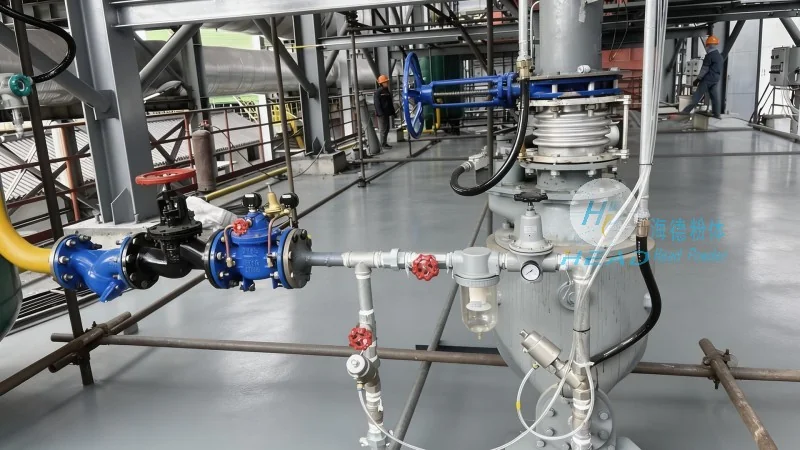
Introduction to Pneumatic Conveying Systems
Pneumatic conveying systems utilize air or other gases to transport bulk materials like soybean protein powder through a pipeline network. These systems can be categorized into two main types: dilute-phase and dense-phase. Dilute-phase systems use high-velocity air to move particles in a dispersed state, while dense-phase systems employ lower air velocities to create a slurry-like flow, offering better control over material handling. For soybean protein powder, which is a fine, hygroscopic powder, dilute-phase pneumatic conveying is often preferred due to its ability to maintain product quality and prevent agglomeration.
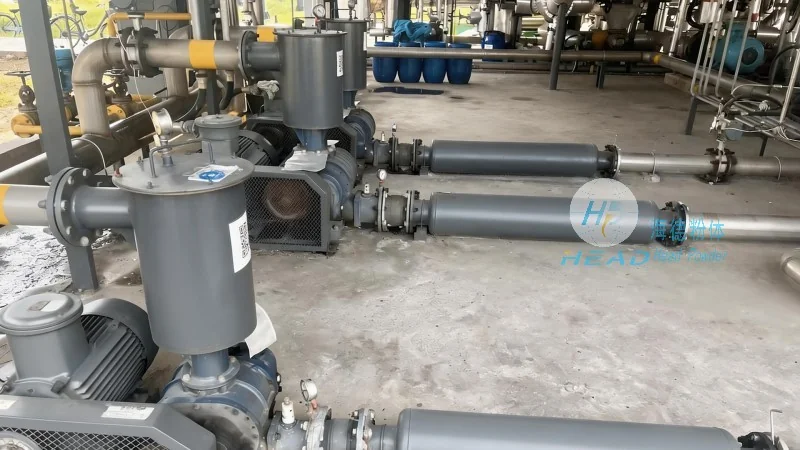
Benefits of Pneumatic Conveying for Soybean Protein Powder
Implementing pneumatic conveying for soybean protein powder offers several advantages that enhance operational efficiency and product integrity. Firstly, it provides a closed system, which is essential for maintaining the hygienic standards required in food processing. This prevents contamination from external sources and reduces the risk of dust exposure for operators. Secondly, pneumatic conveying systems can achieve high material throughput with minimal downtime, as they eliminate the need for manual handling or mechanical components that may cause product breakage. Additionally, these systems are flexible and can be easily integrated into existing production lines, allowing for seamless material transfer between processing stages.
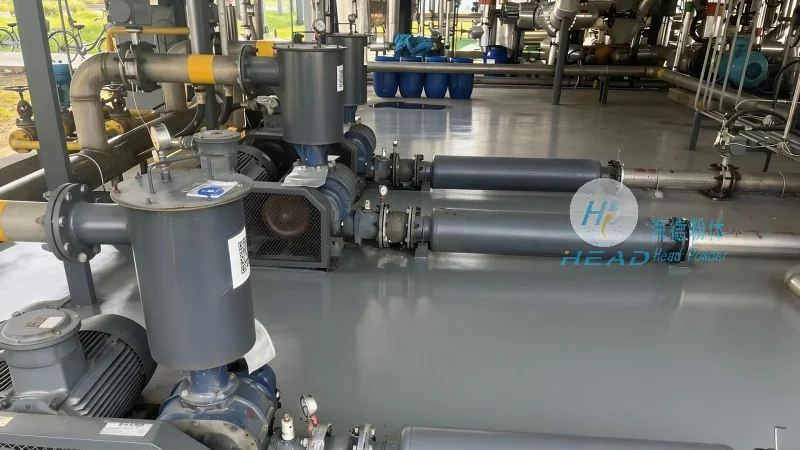
Technical Considerations for Soybean Protein Powder Conveying
When designing a pneumatic conveying system for soybean protein powder, several technical factors must be carefully considered to ensure optimal performance. Particle size and density are crucial parameters, as they directly affect the air velocity and pressure required for effective transport. Soybean protein powder typically has a particle size ranging from 10 to 100 microns, which necessitates precise control of air flow to prevent clogging or excessive pressure drops. Moisture content is another critical factor, as high humidity can lead to clumping and reduced flowability. Therefore, the system must include moisture control measures, such as drying units or humidity sensors, to maintain consistent material properties. Furthermore, the choice of pipeline material is important, as soybean protein powder can be abrasive and may cause corrosion over time. Stainless steel or food-grade plastic pipelines are commonly used to ensure durability and compliance with sanitary standards.
Application Examples in Soybean Protein Powder Production
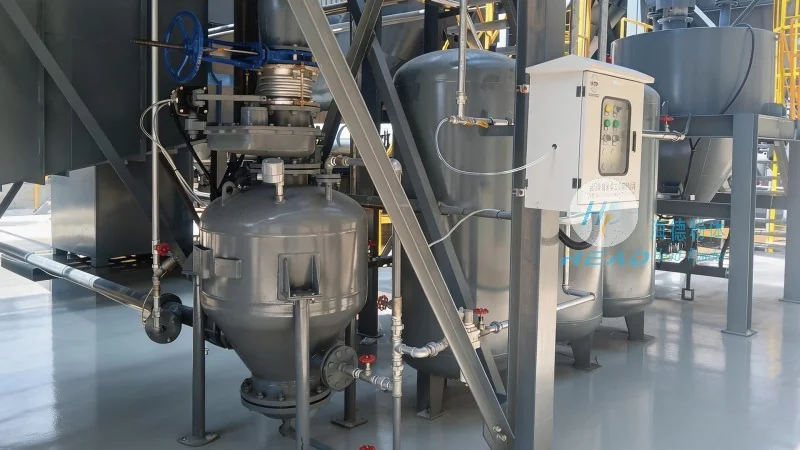
Shandong HeadPowder Engineering Co., Ltd., a leading provider of material handling solutions, has extensive experience in designing and implementing pneumatic conveying systems for soybean protein powder applications. For instance, in a large-scale soybean protein powder plant, the company installed a dilute-phase pneumatic conveying system to transport raw soybean meal from storage silos to the extraction and drying units. The system successfully handled the fine powder with minimal loss, maintaining product moisture levels below 5% and preventing any contamination from the environment. Another application involved transferring the finished soybean protein powder from the drying tower to the packaging line, where the system’s flexibility allowed for easy integration with the existing packaging machinery. The results demonstrated significant improvements in production efficiency, with a 20% reduction in labor costs and a 15% increase in overall throughput compared to traditional mechanical conveying methods.
Conclusion and Future Outlook
In conclusion, pneumatic conveying plays a vital role in the efficient and hygienic transportation of soybean protein powder. By leveraging the advantages of closed systems, high throughput, and flexibility, pneumatic conveying systems provide a reliable solution for modern soybean protein powder production facilities. As the demand for high-quality soybean protein powder continues to grow, the importance of robust material handling systems will only increase. Companies like Shandong HeadPowder Engineering Co., Ltd. are at the forefront of developing advanced pneumatic conveying solutions tailored to the specific needs of the soybean protein powder industry, ensuring that production processes remain efficient, cost-effective, and compliant with industry standards.