

What is Cement Dry Powder Pneumatic Conveying? An Introduction to the Working Principle of Powder Ha
Understanding the working principle of cement dry powder pneumatic conveying is crucial for industries that rely on efficient and reliable material handling. This technology, often referred to as pneumatic conveying, involves transporting dry powders like cement through a pipeline using air pressure. The process is fundamental to modern powder handling systems, enabling seamless movement of bulk materials from one location to another.
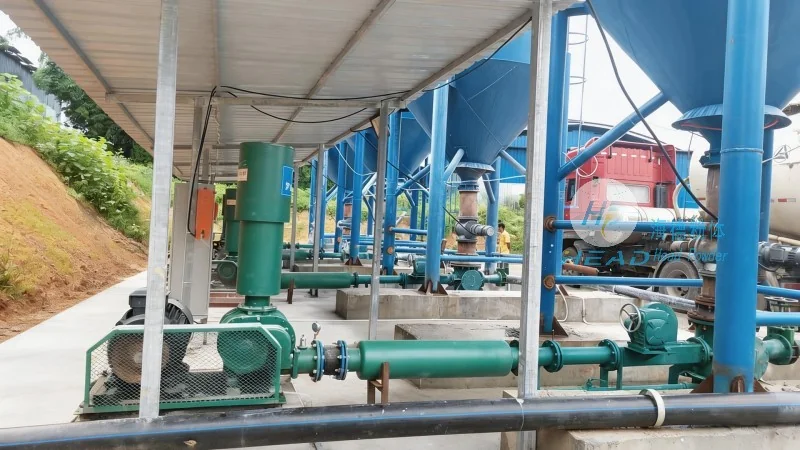
What is Pneumatic Conveying? A Fundamental Overview
Pneumatic conveying, or air-assisted transport, is a method of moving dry powders and granular materials through a closed system using compressed air or vacuum. Unlike traditional mechanical conveying systems that rely on belts, screws, or buckets, pneumatic systems utilize the force of air to propel the material. This approach offers significant advantages in terms of flexibility, speed, and the ability to handle materials that are difficult to transport via conventional means.
The Working Principle of Cement Dry Powder Pneumatic Conveying
The core of cement dry powder pneumatic conveying lies in the interaction between the powder and the air within the pipeline. In a typical system, the process can be categorized into two main types: positive pressure (or pressure) systems and negative pressure (or vacuum) systems. Both operate on the principle of creating a pressure differential to move the material.
In a positive pressure system, compressed air is introduced at the material inlet, where the powder is fed into the pipeline. The high-pressure air then pushes the powder through the system, ensuring consistent flow and preventing clogging. This method is ideal for applications requiring high material throughput and where the system is enclosed, minimizing dust exposure.
Conversely, negative pressure systems use a vacuum at the discharge end to draw the powder from the source. The air is drawn through the pipeline, carrying the powder with it. This approach is often preferred for applications where the material needs to be transported over longer distances or where the system is open to the environment, such as in bulk material handling at construction sites or industrial plants.
Key Components of a Pneumatic Conveying System
A cement dry powder pneumatic conveying system consists of several critical components that work in tandem to ensure efficient operation. These include the material feeder, which controls the flow rate of the cement; the air compressor or vacuum pump, which provides the necessary pressure or vacuum; the pipeline network, which transports the material; and the dust collector or filter, which captures any airborne particles to maintain air quality and comply with environmental regulations.
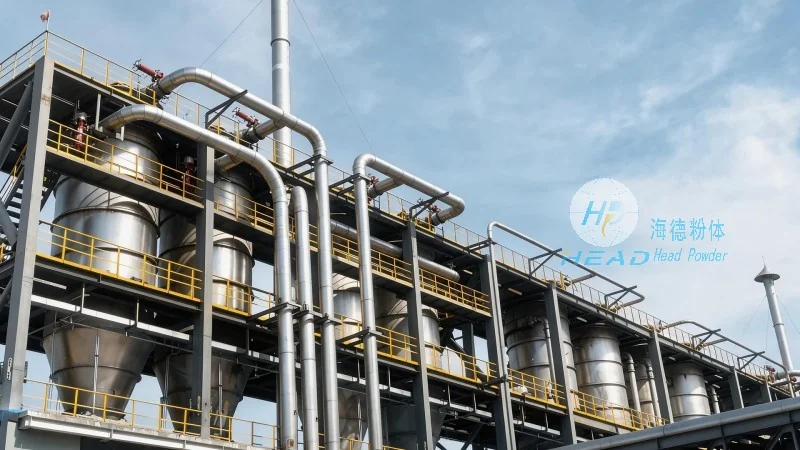
Each component plays a vital role in the overall performance of the system. For instance, the material feeder must be designed to handle the specific characteristics of cement, such as its flowability and potential for bridging. The air compressor must be capable of delivering sufficient pressure to maintain the desired flow rate, while the pipeline must be properly sized and maintained to prevent blockages or pressure losses.
Advantages of Using Pneumatic Conveying for Cement Transport
Compared to traditional mechanical conveying methods, cement dry powder pneumatic conveying offers several advantages that make it a preferred choice for many industries. One of the most significant benefits is the ability to handle materials that are difficult to transport, such as fine powders that tend to clog or agglomerate. The air flow helps to keep the material in suspension, preventing blockages and ensuring smooth operation.
Another advantage is the flexibility of the system. Pneumatic conveying systems can be easily reconfigured to accommodate changes in production needs or to integrate with existing infrastructure. This adaptability is particularly valuable in dynamic industrial environments where processes may need to be adjusted frequently.
Furthermore, pneumatic systems offer improved safety and hygiene. By enclosing the material in a pipeline, the system minimizes dust exposure, reducing the risk of respiratory issues for workers and preventing contamination of the material. This is especially important for cement, which can be a source of dust and airborne particles that may affect air quality and worker health.
Applications of Cement Dry Powder Pneumatic Conveying
The applications of cement dry powder pneumatic conveying are diverse and widespread across various industries. In the construction sector, this technology is commonly used to transport cement from storage silos to mixing plants or to job sites, ensuring a consistent supply of material for concrete production. The ability to transport cement over long distances without the need for intermediate storage or handling makes it an efficient solution for large-scale construction projects.
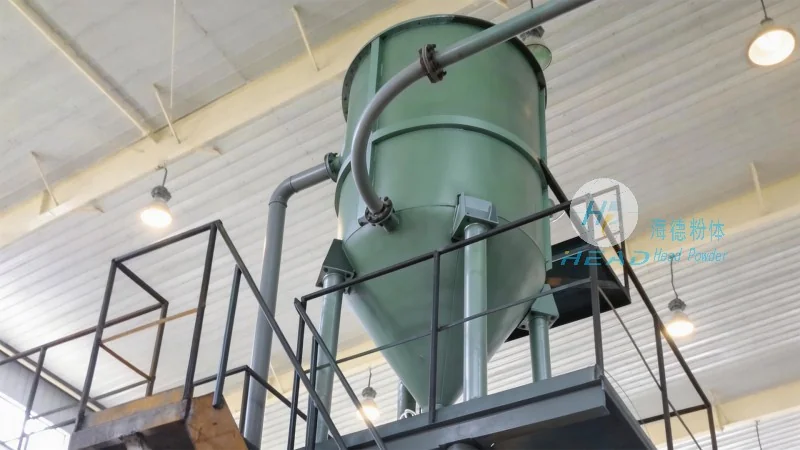
In industrial manufacturing, pneumatic conveying is used in processes such as chemical production, pharmaceuticals, and food processing, where the handling of fine powders is essential. The system's ability to maintain material integrity and prevent contamination makes it suitable for applications where product quality is critical.
Additionally, pneumatic conveying is used in environmental and waste management applications, where it helps to transport bulk materials like fly ash or other powders from one location to another for processing or disposal. The efficiency and reliability of the system make it a preferred choice for these applications.
Company Introduction: Shandong HeadPowder Engineering Co., Ltd.
Shandong HeadPowder Engineering Co., Ltd., commonly known as HeadPowder, is a leading provider of advanced powder handling solutions, including cement dry powder pneumatic conveying systems. With a strong commitment to innovation and quality, HeadPowder specializes in designing and manufacturing customized systems tailored to the specific needs of its clients.
HeadPowder's team of experts has extensive experience in the field of powder technology, ensuring that each system is engineered to meet the highest standards of performance and reliability. The company's products are designed to handle a wide range of materials, including cement, flour, and other fine powders, with efficiency and minimal maintenance requirements.
HeadPowder is headquartered in Shandong, China, and serves clients globally with its advanced technology and customer-centric approach. The company's focus on research and development ensures that its products remain at the forefront of the industry, providing solutions that address the evolving needs of modern industries.