

What is Activated Carbon Pneumatic Conveying? An Introduction to the Working Principle of Powder Han
Activated carbon is a widely used material in various industrial applications, and its efficient transportation is crucial for maintaining operational efficiency. Pneumatic conveying, a method of transporting bulk materials using air or gas, offers a reliable solution for moving activated carbon and other powders. This article delves into the concept of activated carbon pneumatic conveying, explaining its working principles and the key components involved in the process.
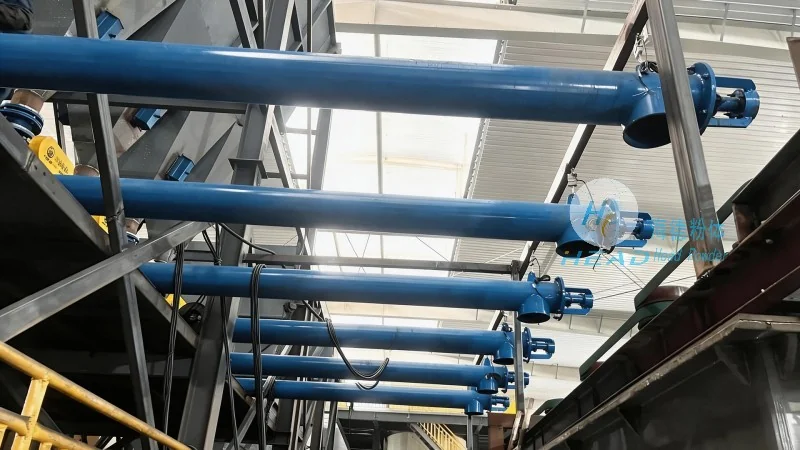
Understanding Activated Carbon Pneumatic Conveying
Activated carbon, known for its high surface area and adsorption capabilities, is often used in applications such as air purification, water treatment, and chemical processing. Traditional methods of transporting activated carbon, like bulk bags or trucks, can be inefficient and pose challenges related to dust control and material handling. Pneumatic conveying provides a more controlled and automated approach to moving these fine powders over long distances.
The Working Principle of Pneumatic Conveying Systems
Pneumatic conveying systems operate by using compressed air to transport materials through a pipeline. The process typically involves a few key components: a hopper for material storage, a feeder to control the flow rate, a conveyor line where the material is carried by the air stream, and a receiver to collect the material at the destination. The system can be either positive pressure, where air is blown into the line to push the material forward, or negative pressure, where air is drawn out to pull the material through the line.
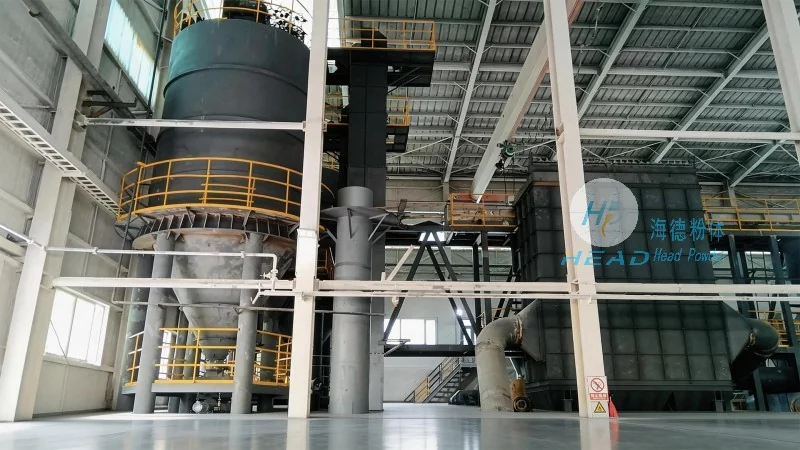
Key Components and Their Roles
Each component in a pneumatic conveying system plays a vital role in ensuring the smooth and efficient transport of activated carbon. The hopper serves as the storage vessel, holding the bulk material and providing a consistent feed to the feeder. The feeder, often a rotary valve or a screw feeder, regulates the flow of activated carbon into the conveyor line, preventing overfeeding and maintaining a steady flow rate. The conveyor line, made of materials like stainless steel or plastic, is designed to withstand the abrasive nature of the activated carbon and the pressure of the air stream. The receiver, typically a hopper or a storage tank, collects the material at the end of the conveying line, allowing for easy unloading and further processing.
Advantages of Activated Carbon Pneumatic Conveying
Compared to traditional transportation methods, pneumatic conveying offers several advantages for activated carbon handling. One of the primary benefits is the ability to transport materials in a closed system, which minimizes dust emissions and improves safety in the workplace. This is particularly important for activated carbon, which can be a respiratory hazard if inhaled. Additionally, pneumatic conveying allows for the transportation of materials over long distances without the need for intermediate storage or handling, reducing the risk of material degradation and contamination.
Applications in Industrial Settings
Activated carbon pneumatic conveying is widely used in various industrial sectors. In the chemical industry, it is used to transport activated carbon for adsorption processes, such as removing impurities from gases or liquids. In the food and beverage industry, it is used for filtration and purification processes, where the activated carbon is transported to and from filtration units. In the environmental sector, it is used for air and water treatment plants, where large quantities of activated carbon are needed for purification purposes.
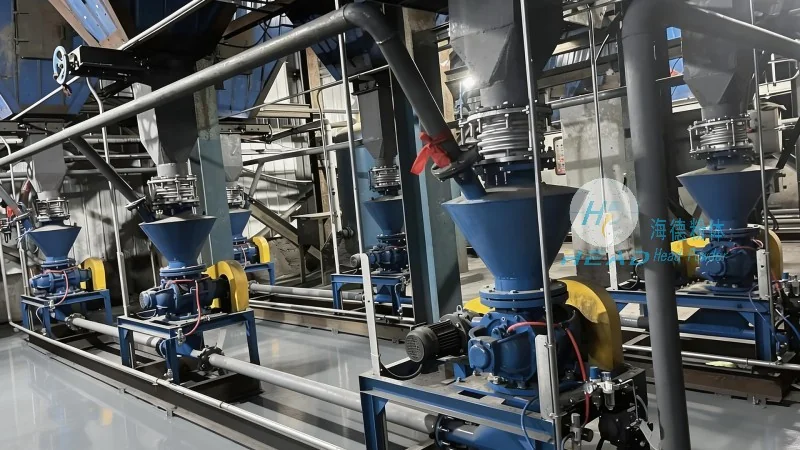
About HeadPowder: Your Partner in Powder Handling Solutions
Shandong HeadPowder Engineering Co., Ltd. is a leading provider of advanced powder handling solutions, specializing in the design and manufacturing of pneumatic conveying systems for various industrial applications. With years of experience in the industry, HeadPowder has developed a reputation for delivering high-quality, reliable equipment that meets the specific needs of its clients. The company’s expertise lies in understanding the unique challenges of transporting materials like activated carbon and providing tailored solutions that enhance operational efficiency and safety.
Conclusion
Activated carbon pneumatic conveying is an efficient and effective method for transporting activated carbon and other fine powders. By understanding the working principles and key components of these systems, industries can improve their material handling processes and enhance overall operational performance. With the right equipment and expertise, such as that offered by Shandong HeadPowder Engineering Co., Ltd., businesses can achieve reliable and safe transportation of activated carbon, ensuring optimal performance in their industrial applications.