

Types of Calcined Lime Conveying Methods? Introduction to the Advantages and Features of Pneumatic Conveying for Calcined Lime
Calcined lime, a critical industrial material, requires efficient and reliable conveying methods to ensure smooth operation across various production processes. The choice of conveying system directly impacts productivity, safety, and overall operational costs. This article explores the diverse conveying methods available for calcined lime and highlights the advantages of pneumatic conveying as a leading solution. We will delve into the technical aspects, operational benefits, and practical applications of pneumatic systems for calcined lime transport, providing insights for industries seeking optimal material handling solutions.
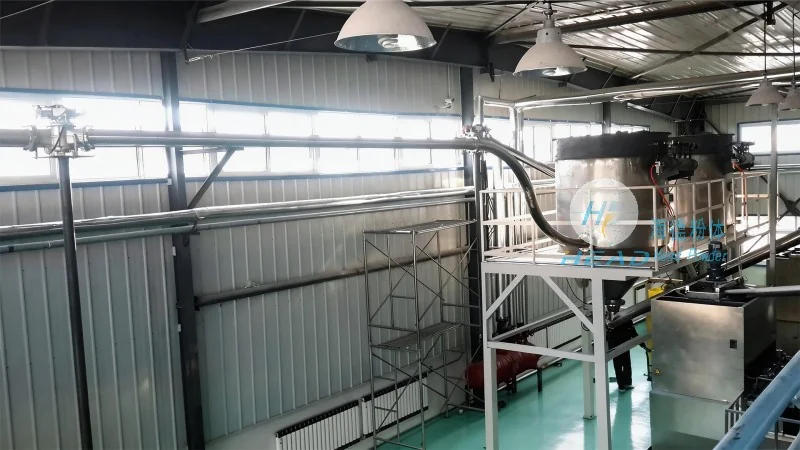
Overview of Calcined Lime Conveying Methods
Calcined lime, also known as quicklime, is produced by heating limestone to high temperatures, resulting in a white, powdery or granular material. Its handling demands specialized equipment due to its reactivity and dust generation. Traditional conveying methods include mechanical systems like belt conveyors, screw conveyors, and bucket elevators. However, these methods may face challenges such as material buildup, blockages, and contamination risks. In contrast, pneumatic conveying offers a more flexible and efficient approach, especially for fine powders like calcined lime.
Pneumatic Conveying: A Leading Solution for Calcined Lime Transport
Pneumatic conveying systems utilize air or gas to transport bulk materials through a pipeline network. This method is particularly suitable for calcined lime due to its ability to handle fine powders without the need for mechanical components that could cause wear or contamination. The primary types of pneumatic conveying include pressure and vacuum systems, each with distinct characteristics and applications.
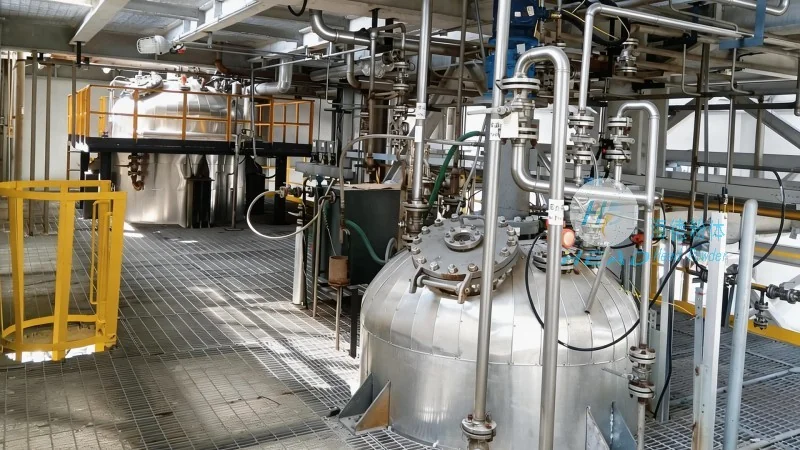
Advantages of Pneumatic Conveying for Calcined Lime
One of the most significant advantages of pneumatic conveying for calcined lime is its ability to maintain material integrity. Unlike mechanical systems that may cause attrition or particle degradation, pneumatic systems preserve the physical properties of the material, ensuring consistent quality in downstream processes. Additionally, pneumatic conveying offers enhanced safety features. By transporting material in a sealed pipeline, it minimizes dust exposure, reducing the risk of respiratory issues and environmental contamination. This is especially critical in industrial settings where dust control is a regulatory requirement.
Another key benefit is the flexibility and scalability of pneumatic systems. They can be easily integrated into existing production lines and adapted to varying material flow rates. The modular design allows for expansion or reconfiguration as production needs change, providing long-term cost savings. Furthermore, pneumatic conveying reduces labor costs associated with manual handling and material transfer, as the system automates the entire process from source to destination.
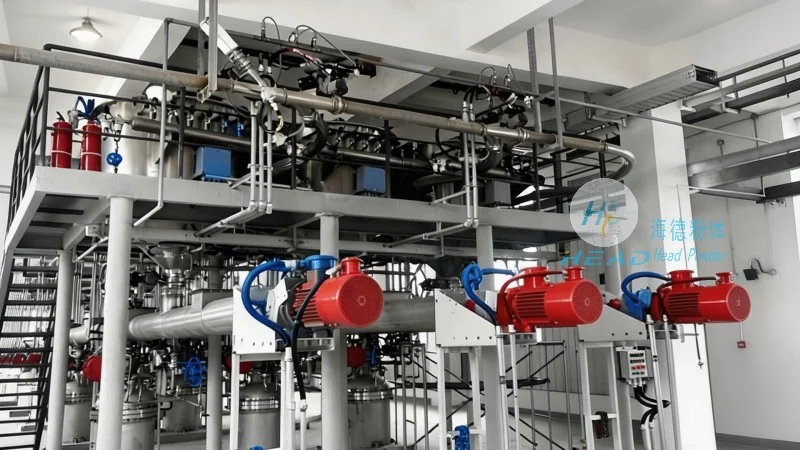
Technical Features and Operational Efficiency
The technical design of pneumatic conveying systems for calcined lime includes key components such as blowers, filters, and material feeders. The blower generates the necessary air pressure to move the material through the pipeline, while filters ensure clean air and prevent dust accumulation. Material feeders, often equipped with rotary valves or screw feeders, control the flow rate and prevent material buildup at the inlet. These components work in tandem to maintain consistent material transport, minimizing downtime and maintenance requirements.
Operational efficiency is a major advantage of pneumatic conveying. The system can handle high material throughput with minimal energy consumption compared to mechanical systems. The sealed pipeline design reduces material loss and waste, improving overall material utilization. Additionally, the ability to convey calcined lime over long distances without intermediate storage points enhances process flow and reduces the need for additional handling equipment. This streamlined approach contributes to faster production cycles and improved overall productivity.
Applications and Industry Impact
Pneumatic conveying for calcined lime finds applications in various industries, including chemical manufacturing, steel production, and water treatment. In chemical plants, calcined lime is used as a raw material for producing calcium compounds, and efficient conveying ensures a steady supply to reactors. In steel mills, it is utilized in the desulfurization process, where consistent material flow is critical for maintaining product quality. Water treatment facilities rely on calcined lime for pH adjustment and coagulation, and pneumatic systems ensure reliable delivery to treatment tanks.

The adoption of pneumatic conveying systems has significantly improved operational performance in these industries. By reducing material handling time and improving process reliability, companies can achieve higher output and lower operational costs. The consistent quality of calcined lime delivered via pneumatic systems also enhances product consistency and reduces waste, contributing to better overall profitability.
Conclusion and Company Overview
Choosing the right conveying method for calcined lime is essential for optimizing industrial processes. While traditional mechanical systems have their uses, pneumatic conveying offers superior advantages in terms of material integrity, safety, and operational efficiency. The flexibility and scalability of pneumatic systems make them a preferred choice for modern industrial applications. As a leading provider of material handling solutions, Shandong HeadPowder Engineering Co., Ltd. specializes in designing and manufacturing customized pneumatic conveying systems tailored to the specific needs of calcined lime transport. With a focus on innovation and quality, HeadPowder ensures that its systems meet the highest industry standards, providing reliable and efficient solutions for calcined lime conveying. Based in Shandong, China, HeadPowder leverages its expertise to deliver cutting-edge material handling technologies that enhance productivity and safety in industrial operations.