

What Are the Alloy Powder Conveying Methods? An Introduction to the Advantages and Features of Air-Pneumatic Conveying for Alloy Powders
Alloy powders are widely utilized across diverse industrial sectors, including manufacturing, metalworking, and additive manufacturing, and the efficient transportation of these powders is critical for maintaining production efficiency and product quality. Among the various conveying methods available, air-pneumatic conveying has emerged as a preferred solution for many applications due to its effectiveness in handling fine and abrasive materials. This article will explore the different alloy powder conveying methods and provide an in-depth look at the advantages and features of air-pneumatic conveying, highlighting why it has become a popular choice for alloy powder handling.
Overview of Alloy Powder Conveying Methods
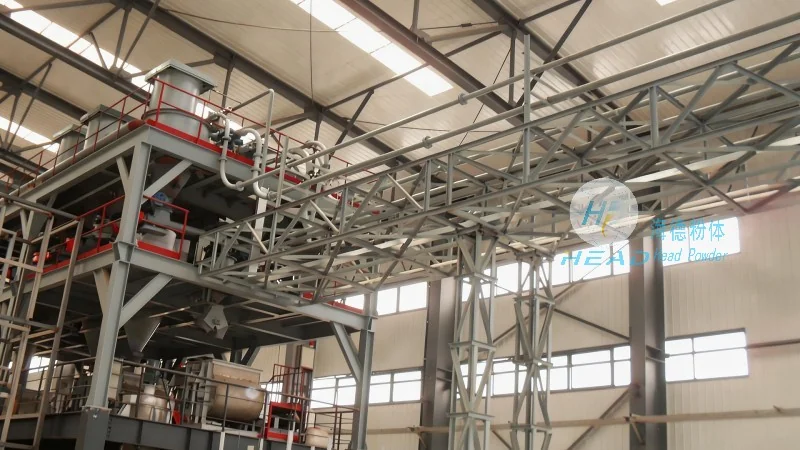
Alloy powders can be transported using several approaches, with mechanical and pneumatic conveying being the most common. Mechanical conveying methods, such as screw conveyors and belt conveyors, are often employed for bulk materials and are suitable for shorter distances or less fine powders. However, for alloy powders, which typically have a fine particle size and require precise handling, mechanical systems may not be as effective. Pneumatic conveying, on the other hand, offers superior performance by utilizing air to move the powder through a pipeline system.
Introduction to Air-Pneumatic Conveying for Alloy Powders
Air-pneumatic conveying, also known as pneumatic conveying, operates by using compressed air to transport alloy powders through a pipeline. This method is particularly effective for fine and abrasive powders because it minimizes particle degradation and ensures a clean transfer. The process involves creating a flow of air that either pushes or pulls the powder particles through the pipeline, depending on the system design. Two primary types of air-pneumatic conveying systems exist: pressure systems, which use compressed air to push the powder, and vacuum systems, which use a vacuum to pull the powder from the source to the destination.
Advantages of Air-Pneumatic Conveying for Alloy Powders
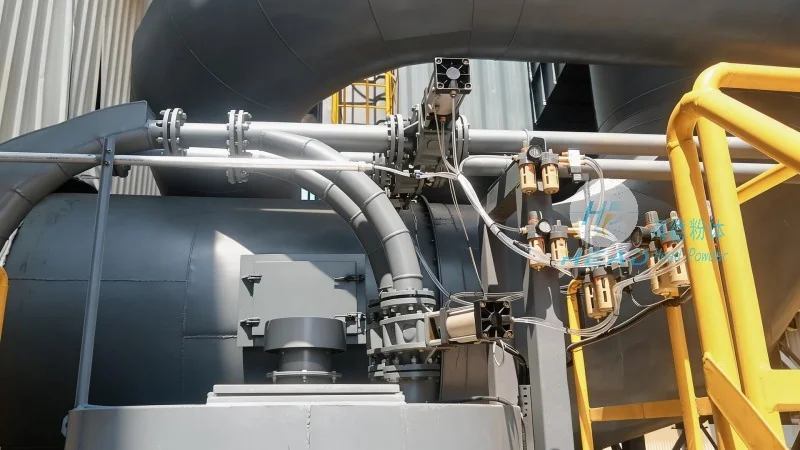
One of the key advantages of air-pneumatic conveying is its ability to handle fine and abrasive alloy powders without causing damage or degradation. The gentle handling of particles helps preserve the integrity of the alloy, which is crucial for applications where the powder's properties are essential. Additionally, air-pneumatic conveying systems are highly flexible and can be easily integrated into existing production lines. They can transport powders over long distances and through complex layouts, making them ideal for large-scale operations.
Another significant advantage is the hygienic and clean nature of the process. Unlike mechanical conveyors, which can trap dust and particles, pneumatic systems keep the powder contained within the pipeline, reducing the risk of contamination. This is especially important in industries where product purity is paramount, such as pharmaceuticals or food processing. The enclosed system also helps in controlling dust emissions, contributing to a safer working environment.
Key Features of Air-Pneumatic Conveying Systems
Modern air-pneumatic conveying systems for alloy powders are equipped with several features that enhance performance and reliability. These features include variable speed drives, which allow for precise control of the conveying rate, and inline filters that prevent particles from clogging the system. The systems also often incorporate pressure relief valves and vacuum pumps to maintain optimal operating conditions. Furthermore, many contemporary designs use stainless steel components to ensure durability and resistance to corrosion, which is essential when handling alloy powders that may be reactive or corrosive.
Applications of Air-Pneumatic Conveying in Alloy Powder Handling
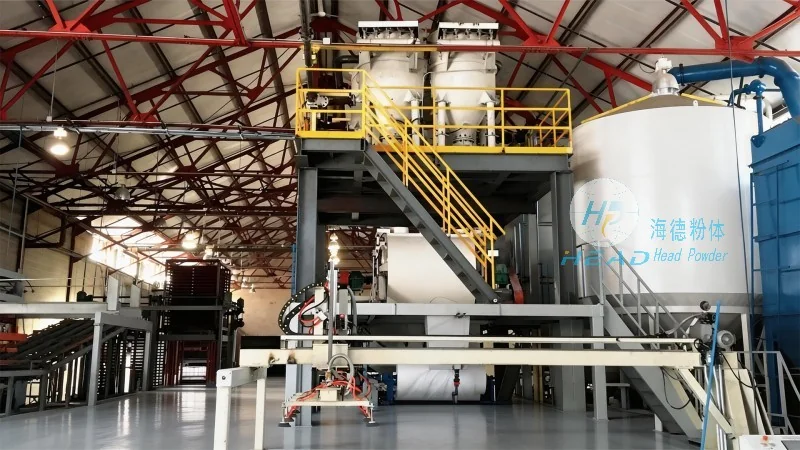
The versatility of air-pneumatic conveying makes it suitable for a wide range of alloy powder applications. In the aerospace industry, for example, it is used to transport titanium and aluminum alloy powders for additive manufacturing and powder metallurgy. In the automotive sector, it handles steel and copper alloy powders for brake pads and other components. The method is also employed in the production of metal powders for 3D printing, where precision and consistency are critical. The ability to handle different alloy types and particle sizes makes air-pneumatic conveying a versatile solution for various industrial needs.
Conclusion and Company Overview
As the demand for alloy powders continues to grow, the importance of efficient and reliable conveying methods becomes increasingly significant. Air-pneumatic conveying has emerged as a leading solution due to its advantages in handling fine powders, maintaining product quality, and ensuring a clean and safe operation. Companies like Shandong HeadPowder Engineering Co., Ltd., a leading provider of alloy powder handling solutions, specialize in designing and manufacturing air-pneumatic conveying systems tailored to the specific needs of their clients. With a focus on innovation and quality, HeadPowder offers advanced solutions that enhance the efficiency and productivity of alloy powder processing. Based in Shandong, China, the company leverages its expertise to deliver customized conveying systems that meet the highest standards in the industry.