

Types of Urea Granule Conveying Methods: An Overview of the Advantages and Features of Urea Granule Pneumatic Conveying
Urea granules are a critical component in modern agricultural and industrial applications, requiring efficient and reliable transportation from production sites to end-users. The choice of conveying method significantly impacts operational efficiency, cost-effectiveness, and product quality. This article explores various urea granule conveying methods, with a particular focus on the advantages and features of pneumatic conveying systems, as presented by Shandong HeadPowder Engineering Co., Ltd., a leading provider in the field.
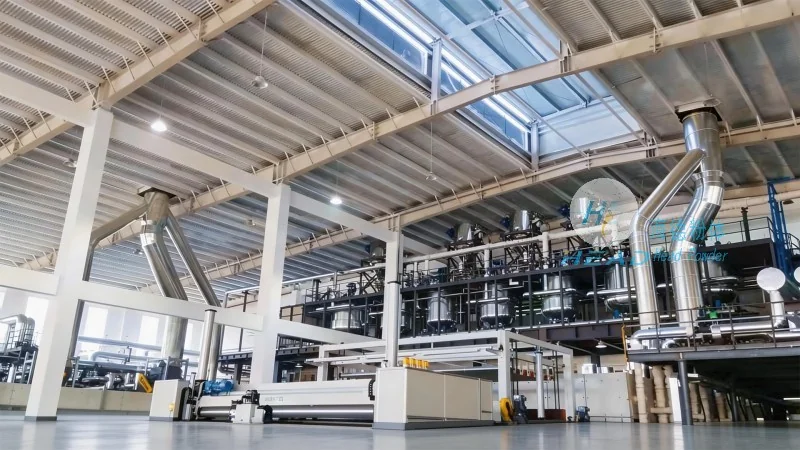
Introduction to Urea Granule Conveying
Urea granules, commonly used as a nitrogen fertilizer, are typically produced in large-scale facilities and need to be transported over varying distances and through different environments. Traditional conveying methods such as belt conveyors, screw conveyors, and bucket elevators have been widely used, but they often face challenges like material degradation, high energy consumption, and limited flexibility. In response to these challenges, advanced pneumatic conveying systems have emerged as a preferred solution for many industries.
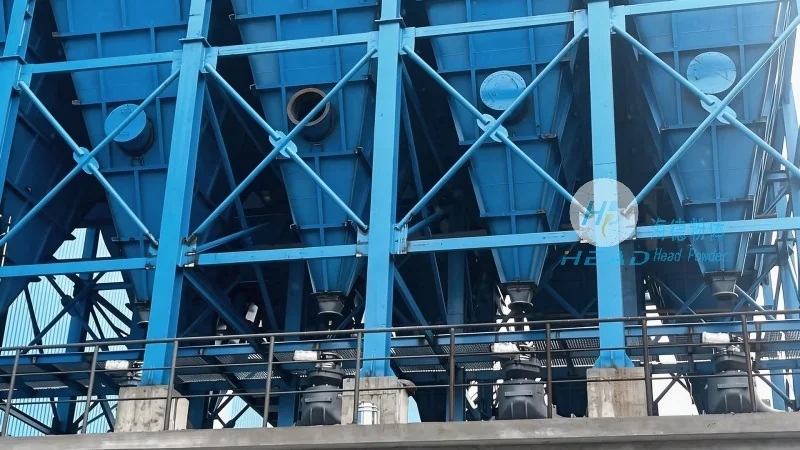
Key Conveying Methods for Urea Granules
Several methods are employed for transporting urea granules, each with its own set of characteristics and applications. The primary options include mechanical conveyors, such as belt and screw conveyors, and pneumatic systems, which utilize air or other gases to move the material. Mechanical conveyors are generally suitable for short to medium distances and are cost-effective for bulk materials. However, they may struggle with handling fine or abrasive particles, which can lead to equipment wear and reduced efficiency. In contrast, pneumatic conveying systems offer greater flexibility and can handle a wider range of particle sizes and shapes, making them ideal for complex or long-distance transport scenarios.
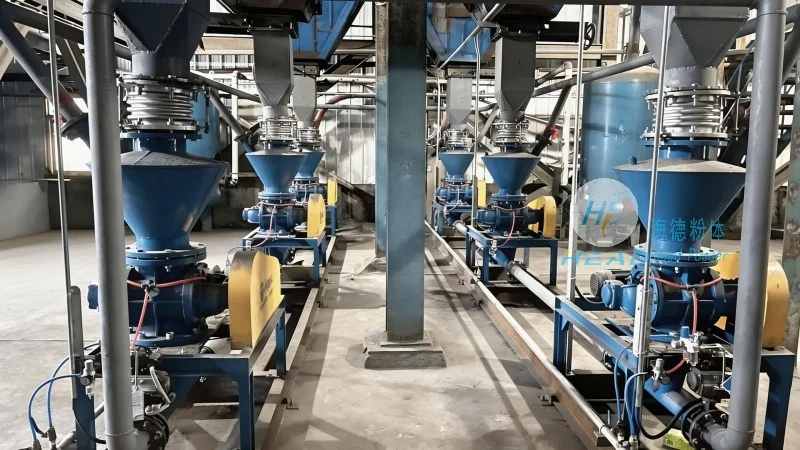
Pneumatic Conveying: Advantages and Features
Among the various conveying methods, pneumatic conveying stands out for its ability to efficiently transport urea granules with minimal product degradation. This technology involves the use of air or gas to create a flow that moves the material through a pipeline. The key advantages of pneumatic conveying for urea granules include:
- Reduced Product Damage: Unlike mechanical systems that may cause abrasion or impact, pneumatic conveying minimizes physical stress on the granules, preserving their integrity and reducing the risk of caking or clumping.
- Energy Efficiency: Modern pneumatic systems utilize advanced control technologies to optimize air usage, resulting in lower energy consumption compared to traditional mechanical conveyors, especially over long distances.
- Flexibility and Scalability: Pneumatic conveying systems can be easily adapted to changing production volumes and can be integrated with existing infrastructure, allowing for seamless expansion or reconfiguration as business needs evolve.
- Hygienic and Clean Operation: The enclosed pipeline design of pneumatic systems prevents contamination from external sources and simplifies cleaning processes, which is crucial for maintaining product quality and compliance with industry standards.
Features of Urea Granule Pneumatic Conveying by HeadPowder
Shandong HeadPowder Engineering Co., Ltd. specializes in the design, manufacturing, and implementation of advanced pneumatic conveying solutions tailored to the unique requirements of urea granule transport. The company's expertise lies in developing customized systems that address the specific challenges faced by agricultural and industrial clients. Key features of their urea granule pneumatic conveying systems include:
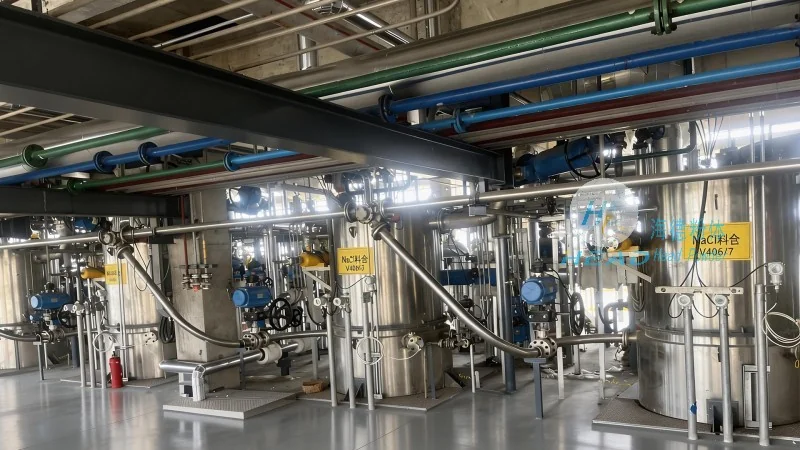
- Customized System Design: Each project is approached with a tailored design that considers factors such as material properties, distance, and operational environment, ensuring optimal performance and reliability.
- High-Performance Components: The use of durable materials and advanced components, such as high-efficiency blowers and specialized pipeline materials, enhances system longevity and reduces maintenance costs.
- Integrated Control Systems: State-of-the-art control technologies enable real-time monitoring and adjustment of conveying parameters, improving operational efficiency and minimizing downtime.
- Compliance with Industry Standards: All systems are designed and manufactured in accordance with international standards for safety, quality, and environmental protection, ensuring peace of mind for clients.
Conclusion
Choosing the right urea granule conveying method is essential for maintaining operational efficiency and product quality. While mechanical conveyors remain relevant for certain applications, pneumatic conveying systems offer significant advantages, particularly in terms of product protection, energy efficiency, and flexibility. Shandong HeadPowder Engineering Co., Ltd. provides comprehensive solutions that leverage the benefits of pneumatic technology, helping clients achieve reliable and cost-effective transport of urea granules. By investing in advanced conveying systems, businesses can enhance their operational capabilities and meet the demands of a competitive market.