

Types and Applications of Caustic Soda Pneumatic Conveying Systems
Caustic soda, also known as sodium hydroxide, is a widely used chemical in various industrial processes. The efficient handling and transportation of caustic soda are crucial for maintaining production efficiency and safety. Pneumatic conveying systems have emerged as a reliable method for transporting caustic soda, offering advantages over traditional methods. This article explores the different types of caustic soda pneumatic conveying systems, their key characteristics, and the typical applications where they are employed.
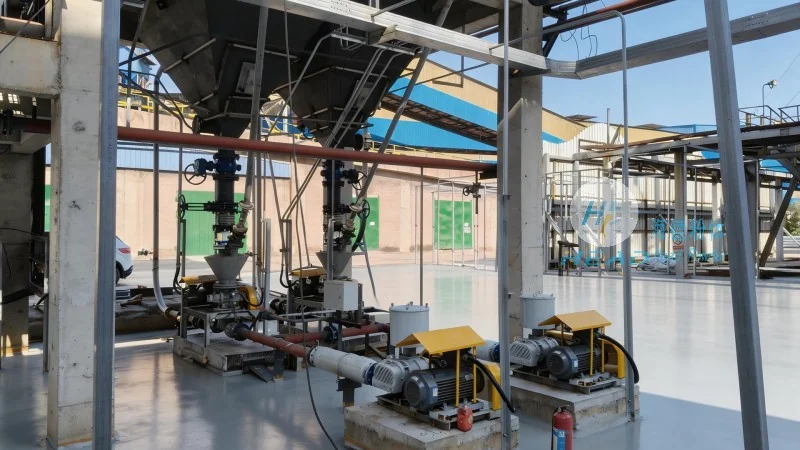
Overview of Caustic Soda Pneumatic Conveying
Caustic soda pneumatic conveying systems utilize air or other gases to transport caustic soda powder or granules from one location to another. These systems are designed to handle the corrosive and reactive nature of caustic soda while ensuring minimal product loss and contamination. The primary goal is to provide a safe, efficient, and cost-effective method for material handling in industrial settings.
Types of Caustic Soda Pneumatic Conveying Systems
There are several types of caustic soda pneumatic conveying systems, each with distinct operational principles and applications. The main categories include:
1. Dilute Phase Pneumatic Conveying
Dilute phase systems are commonly used for long-distance and high-capacity transport of caustic soda. In this method, the material is suspended in a high-velocity air stream, allowing for efficient movement through pipelines. These systems are suitable for applications requiring continuous and large-scale material transport, such as in chemical manufacturing plants.
2. Dense Phase Pneumatic Conveying
Dense phase systems operate at lower air velocities, which helps in reducing product degradation and minimizing particle breakage. This type of system is ideal for transporting caustic soda over shorter distances or when the material is sensitive to high velocities. Dense phase conveying ensures a more controlled and gentle handling of the caustic soda, preserving its quality.
3. Pressure and Vacuum Conveying
Pressure and vacuum conveying systems are versatile and can be used for both loading and unloading operations. Pressure systems use compressed air to push the material through the pipeline, while vacuum systems use suction to draw the material. These systems are particularly useful in applications where the caustic soda needs to be transferred between different storage tanks or processing units.
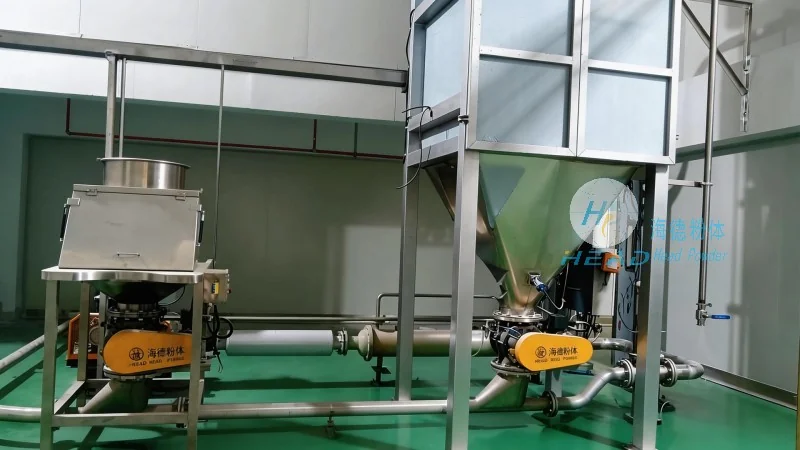
Key Features of Caustic Soda Pneumatic Conveying Systems
Caustic soda pneumatic conveying systems are characterized by several important features that make them suitable for handling this chemical:
Firstly, these systems are designed with corrosion-resistant materials, such as stainless steel or special alloys, to withstand the aggressive nature of caustic soda. This ensures long-term durability and minimal maintenance costs. Secondly, the systems are equipped with advanced control mechanisms that allow for precise regulation of air flow and material transport, enhancing operational efficiency and safety.
Thirdly, the use of pneumatic conveying minimizes the risk of dust exposure and cross-contamination, which is critical in maintaining product purity and adhering to environmental regulations. Additionally, these systems can be integrated with other processing equipment, such as mixers and reactors, to create a seamless production line.
Application Ranges of Caustic Soda Pneumatic Conveying
Caustic soda pneumatic conveying systems are applied in a wide range of industries where caustic soda is a key component. The primary applications include:
In the chemical industry, these systems are used for transporting caustic soda to various processing units, such as reactors and distillation columns. The efficient handling of caustic soda is essential for maintaining the flow of chemical reactions and ensuring consistent product quality.
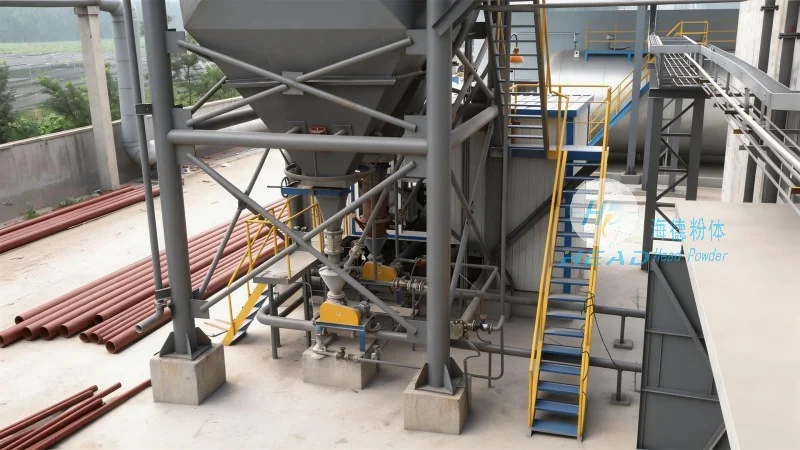
In the pulp and paper industry, caustic soda is used for pulping and bleaching processes. Pneumatic conveying systems help in delivering the caustic soda to the pulping and bleaching equipment, ensuring optimal performance and reducing downtime.
In the water treatment industry, caustic soda is used for pH adjustment and water softening. The systems facilitate the transport of caustic soda to treatment plants, enabling effective water treatment and compliance with environmental standards.
In the food and beverage industry, caustic soda is used in certain food processing applications, such as the production of sodium carbonate and other food additives. Pneumatic conveying systems ensure the safe and hygienic handling of caustic soda, meeting the stringent requirements of food safety regulations.
Conclusion
Caustic soda pneumatic conveying systems offer a reliable and efficient solution for transporting caustic soda in various industrial applications. The different types of systems, along with their key features and application ranges, make them suitable for a wide range of processes. By leveraging the advantages of pneumatic conveying, industries can enhance their operational efficiency, reduce costs, and ensure the safe handling of caustic soda.
Shandong HeadPowder Engineering Co., Ltd., a leading provider of industrial material handling solutions, specializes in designing and manufacturing caustic soda pneumatic conveying systems tailored to the specific needs of clients. With a focus on quality, durability, and safety, the company ensures that its systems meet the highest industry standards. Based in Shandong, China, HeadPowder Engineering Co., Ltd. serves a global clientele, providing customized solutions for efficient caustic soda transportation. For more information on their products and services, please visit their official website or contact their sales team.