

Types, Features, and Applications of Ceramic Pneumatic Conveying Systems
For industrial applications requiring the safe and efficient transport of ceramic materials, pneumatic conveying systems offer versatile solutions. These systems utilize air or gas to move powders and granules, eliminating the need for mechanical components that might cause contamination or wear. As a leading provider in the field, Shandong HeadPowder Engineering Co., Ltd., based in Shandong, China, specializes in designing and manufacturing advanced ceramic pneumatic conveying equipment tailored to diverse industrial needs.
Types of Ceramic Pneumatic Conveying Systems
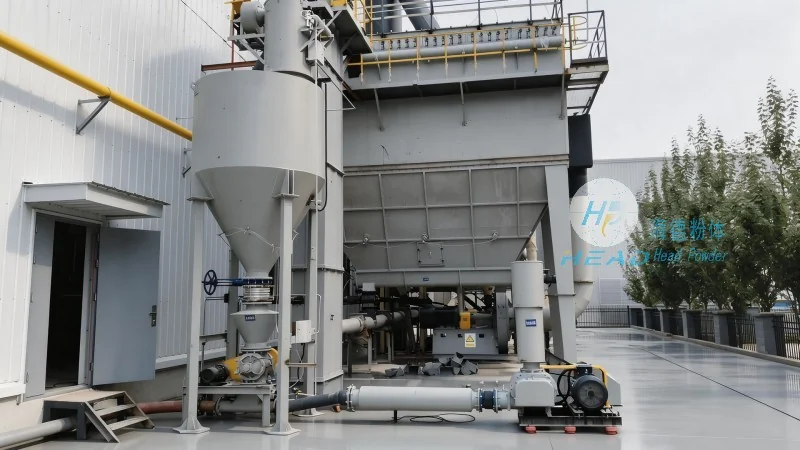
There are primarily two types of pneumatic conveying systems used for ceramic materials: dilute-phase and dense-phase. Each type has distinct characteristics that make it suitable for different operational requirements.
Dilute-Phase Pneumatic Conveying
Dilute-phase systems operate by transporting material in a low concentration within the conveying air. This method is ideal for long-distance transport and when the material is free-flowing. The system typically uses high-velocity air to suspend the particles, ensuring smooth and continuous flow. Key features include low pressure requirements, which reduces energy consumption, and the ability to handle large volumes of material efficiently. However, dilute-phase systems may not be suitable for materials that are prone to degradation or those that require gentle handling due to their delicate nature.
Dense-Phase Pneumatic Conveying
In contrast, dense-phase systems transport material in a higher concentration, often using a piston or positive displacement pump to push the material through the pipeline. This method is particularly effective for handling abrasive or fragile ceramic powders, as it minimizes particle impact and friction. Dense-phase conveying is also advantageous for short-distance transport and when the material needs to be delivered at a controlled rate. The system maintains a higher pressure, which ensures reliable operation even with challenging materials. Shandong HeadPowder Engineering Co., Ltd. offers customized dense-phase solutions that can accommodate various ceramic types, ensuring optimal performance and material integrity.
Key Features of Ceramic Pneumatic Conveying Systems
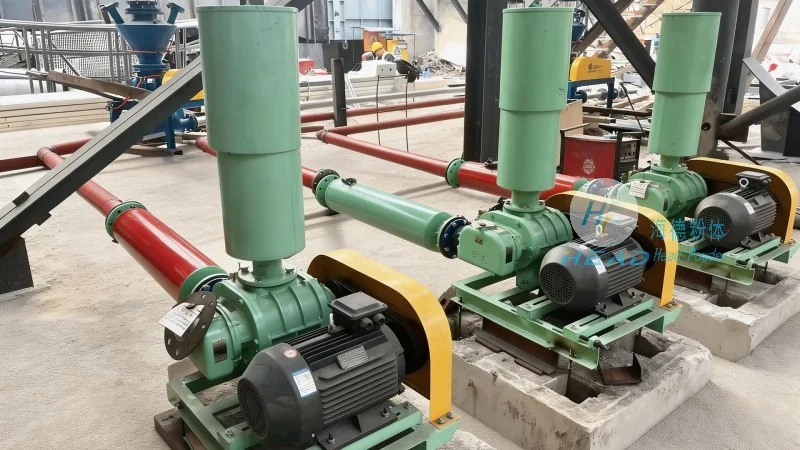
Regardless of the system type, ceramic pneumatic conveying systems share several critical features that enhance their effectiveness and reliability. These include:
Material Compatibility and Handling
Ceramic materials often present unique challenges due to their abrasive nature, low bulk density, or sensitivity to moisture. Advanced ceramic pneumatic conveying systems are designed with materials that resist wear and corrosion, such as stainless steel or specialized alloys. The equipment also incorporates features like air filtration and moisture control to maintain the purity of the ceramic product. For example, Shandong HeadPowder Engineering Co., Ltd. uses high-quality ceramic components and precision engineering to ensure that the conveying process does not introduce contaminants or degrade the material's quality.
Energy Efficiency and Cost-Effectiveness
Efficient energy use is a significant consideration in industrial operations. Ceramic pneumatic conveying systems are engineered to minimize energy consumption while maximizing material throughput. By optimizing air velocity and pressure, these systems reduce operational costs without compromising performance. The use of durable components and regular maintenance further extends the system's lifespan, contributing to long-term cost savings. Shandong HeadPowder Engineering Co., Ltd. focuses on developing energy-efficient solutions that align with modern industrial sustainability goals.
Customization and Flexibility
Every industrial application has unique requirements, and ceramic pneumatic conveying systems must be adaptable to meet these needs. Shandong HeadPowder Engineering Co., Ltd. provides customized solutions that can be tailored to specific material characteristics, process conditions, and operational constraints. This flexibility allows businesses to optimize their conveying systems for maximum efficiency and productivity. Whether it's adjusting the system for different particle sizes or modifying the pipeline layout, the company's expertise ensures that the final solution is both effective and scalable.
Application Ranges of Ceramic Pneumatic Conveying Systems
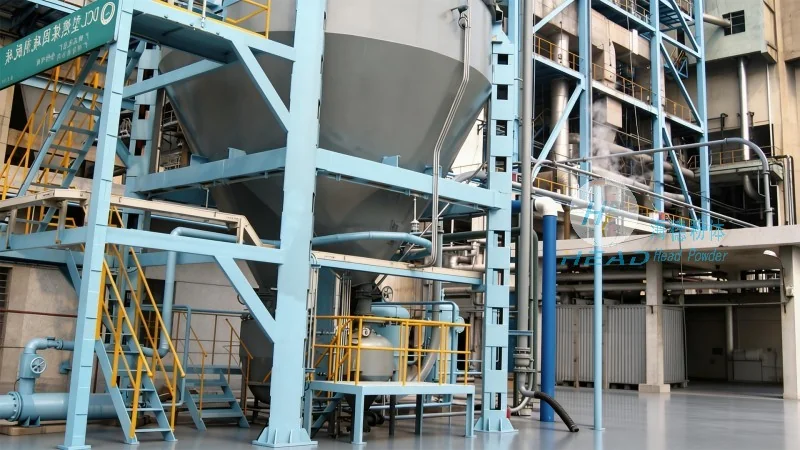
The versatility of ceramic pneumatic conveying systems makes them suitable for a wide range of applications across various industries. These systems are commonly used in:
Industrial Ceramics Manufacturing
In the production of industrial ceramics, such as refractory bricks, tiles, and pottery, pneumatic conveying systems are essential for transporting raw materials like clay, feldspar, and silica. The systems ensure that these materials are delivered to processing equipment without contamination or degradation. Shandong HeadPowder Engineering Co., Ltd. has successfully implemented these systems in ceramic factories, improving production efficiency and material quality.
Pharmaceutical and Food Processing
For industries dealing with pharmaceutical powders or food ingredients, the hygienic and contamination-free nature of ceramic pneumatic conveying is critical. These systems are designed to meet stringent regulatory standards, ensuring that the materials remain pure and safe for consumption. The gentle handling of particles prevents agglomeration or degradation, which is vital in pharmaceutical and food applications. Shandong HeadPowder Engineering Co., Ltd. offers specialized solutions that comply with industry regulations, providing reliable transport for sensitive materials.
Chemical and Petrochemical Industries
Ceramic materials are often used in chemical and petrochemical processes, where they serve as catalysts or filtration media. Pneumatic conveying systems are used to transport these materials to reactors or processing units. The systems are designed to handle abrasive and corrosive materials, ensuring long-term durability and performance. Shandong HeadPowder Engineering Co., Ltd.'s systems are built to withstand harsh chemical environments, providing consistent and reliable operation in demanding industrial settings.
Conclusion
Ceramic pneumatic conveying systems are indispensable tools for industries requiring the efficient and safe transport of ceramic materials. With their ability to handle diverse material types and operational conditions, these systems enhance productivity and maintain material quality. Shandong HeadPowder Engineering Co., Ltd., a reputable company based in Shandong, China, specializes in providing advanced, customized solutions that meet the unique needs of its clients. By leveraging expertise in material handling and engineering, the company ensures that its ceramic pneumatic conveying systems deliver optimal performance and reliability, supporting industrial growth and sustainability.