

Types and Characteristics of Wood Ash Pneumatic Conveying Systems and Their Application Ranges
Wood ash, a byproduct of biomass combustion or industrial incineration, requires efficient and reliable handling for various industrial applications. Pneumatic conveying systems have emerged as a key technology for transporting wood ash, offering advantages such as low environmental impact, reduced labor costs, and enhanced process control. This article explores the different types of wood ash pneumatic conveying systems, their key features, and the diverse application ranges where they are utilized.
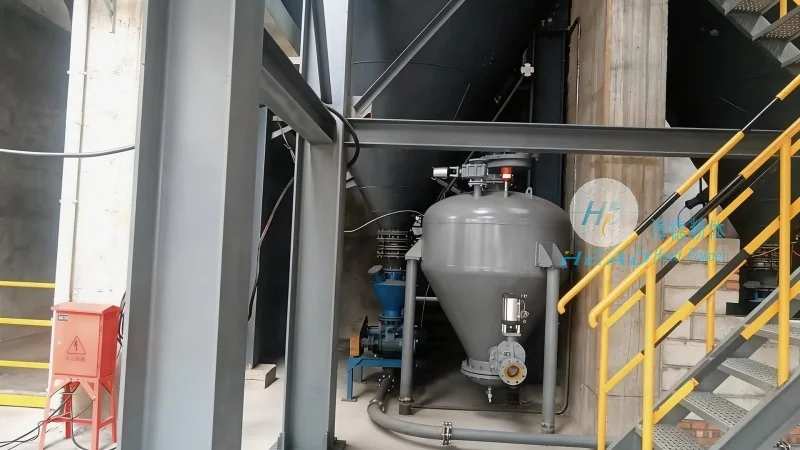
Overview of Wood Ash Pneumatic Conveying Systems
Pneumatic conveying systems use air or gas to transport solid materials like wood ash through a pipeline network. These systems are categorized into two main types: suction (or negative pressure) systems and pressure (or positive pressure) systems. Suction systems draw material from a source using a vacuum, while pressure systems push material through the pipeline using compressed air. A third hybrid type combines elements of both, offering flexibility for complex material handling scenarios. Each type has distinct characteristics that influence its suitability for specific wood ash processing needs.
Types of Wood Ash Pneumatic Conveying Systems
1. Suction Pneumatic Conveying - This system operates under negative pressure, drawing wood ash from a storage or processing area into a collection vessel. It is ideal for applications where the material source is at a higher elevation than the destination, as the vacuum pulls material upward. Suction systems are often used in biomass power plants to transport ash from boiler ash hoppers to storage silos. Key features include low initial investment costs, minimal space requirements, and the ability to handle large volumes of material over long distances. However, they may have limitations in terms of maximum particle size and the need for careful air flow management to prevent blockages.
2. Pressure Pneumatic Conveying - In contrast, pressure systems use compressed air to push wood ash through the pipeline. This method is suitable for transporting material from a lower elevation to a higher one, as the pressure forces the material upward. Pressure systems are commonly employed in industrial settings where the ash needs to be delivered to a processing unit or disposal site. They offer higher conveying speeds and can handle abrasive or high-density wood ash particles. The main advantages include the ability to operate over longer distances and with higher material throughput, though they require more robust equipment and higher energy consumption compared to suction systems.
3. Mixed Pneumatic Conveying - Hybrid systems integrate both suction and pressure components to handle more complex material flow requirements. For example, a mixed system might use suction to collect wood ash from multiple sources and then use pressure to transport it to a central processing facility. This approach is particularly useful in large-scale industrial operations where material is generated from various points and needs to be consolidated for further treatment. The flexibility of mixed systems allows for optimized material handling, reducing the need for multiple separate conveying lines.
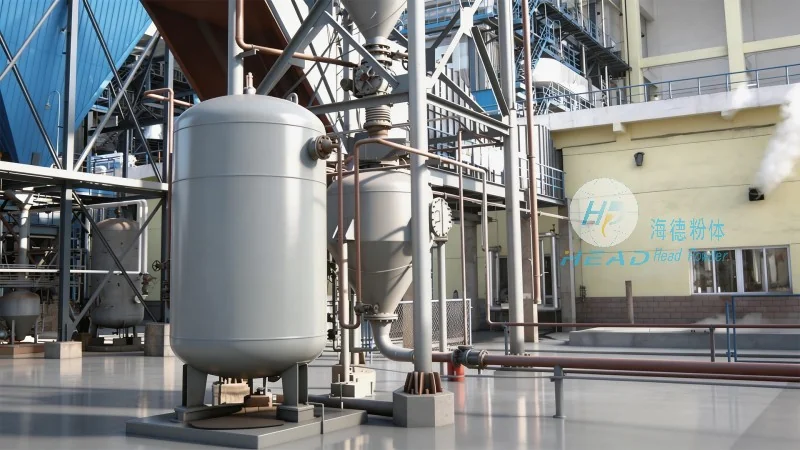
Key Features and Advantages of Wood Ash Pneumatic Conveying
Regardless of the system type, wood ash pneumatic conveying offers several critical advantages that make it a preferred choice for many industries. One of the most significant benefits is environmental friendliness. Unlike traditional mechanical conveying methods, which may generate dust and require additional dust control measures, pneumatic systems minimize particulate emissions and reduce the risk of air pollution. This aligns with modern industrial standards for sustainable waste management and compliance with environmental regulations.
Another key feature is the efficiency in material handling. Pneumatic systems can transport wood ash at high speeds, often achieving throughput rates of several tons per hour. This efficiency is crucial for maintaining the continuity of industrial processes, such as in power generation or waste treatment facilities, where consistent ash removal is essential to prevent equipment downtime. Additionally, these systems reduce labor costs by automating the material transport process, minimizing the need for manual handling and associated safety risks.
Equipment durability and maintenance are also important considerations. Modern pneumatic conveying systems are designed with corrosion-resistant materials, such as stainless steel, to withstand the acidic or alkaline properties of wood ash. This ensures long-term operational reliability and reduces the frequency of maintenance interventions. The modular design of many systems allows for easy installation and maintenance, with components that can be replaced or serviced without disrupting the entire conveying line. This flexibility helps to lower overall operational costs and extend the lifespan of the equipment.
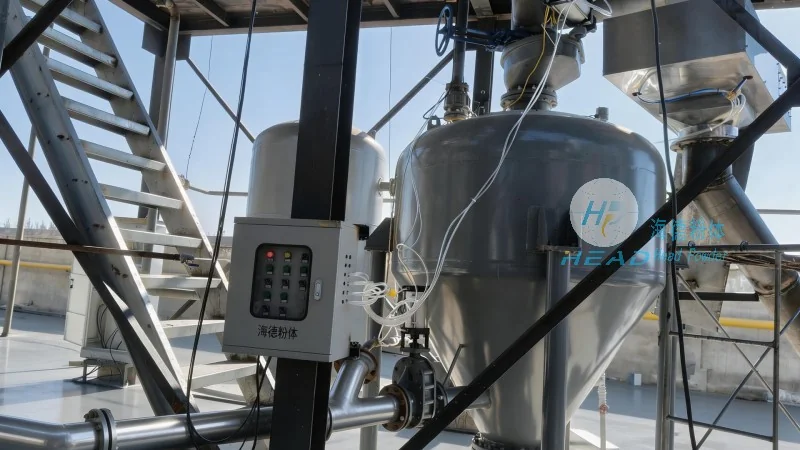
Application Ranges of Wood Ash Pneumatic Conveying Systems
Wood ash pneumatic conveying systems are applied across a wide range of industries and processes, each tailored to the specific requirements of the application. The primary industries utilizing these systems include:
1. Power Generation - In biomass-fired power plants, wood ash is a byproduct of the combustion process. Pneumatic conveying systems are used to transport ash from the boiler ash hoppers to storage silos or disposal sites. This ensures that the ash is removed efficiently, preventing accumulation that could lead to boiler malfunctions or safety hazards. The systems are designed to handle the high volume of ash produced by large-scale power plants, with some capable of conveying over 100 tons per hour.
2. Industrial Waste Treatment - Many industrial processes, such as incineration of municipal or industrial waste, generate wood ash as a byproduct. Pneumatic conveying is used to transport this ash to treatment facilities where it may be further processed or disposed of in an environmentally responsible manner. The systems help to maintain the flow of waste treatment operations, ensuring that ash is removed promptly and does not interfere with other treatment steps.
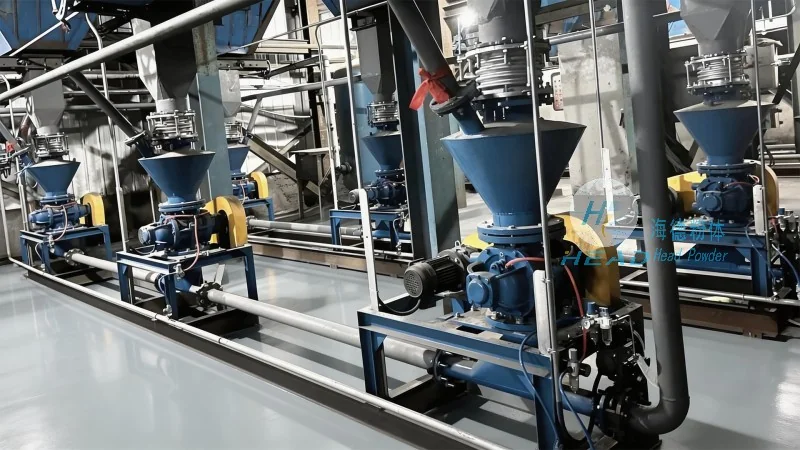
3. Agricultural and Forestry Applications - In biomass energy projects, wood ash can be used as a fertilizer or soil amendment. Pneumatic conveying systems are employed to transport ash from processing facilities to storage areas or directly to agricultural sites. This application is particularly relevant in regions where biomass is a primary energy source, as it allows for the efficient utilization of a byproduct that would otherwise be wasted.
4. Construction and Building Materials - Wood ash can be incorporated into building materials, such as concrete or bricks, to improve their properties. Pneumatic conveying is used to transport ash from storage silos to mixing plants or production lines. This ensures a consistent supply of ash for the manufacturing process, contributing to the quality and durability of the final products.
5. Environmental Remediation - In some cases, wood ash is used for soil remediation or reclamation projects, particularly in areas affected by industrial contamination. Pneumatic conveying systems are used to transport ash to the remediation sites, where it is applied to improve soil structure and reduce contamination levels. This application highlights the versatility of wood ash and the importance of efficient transport methods in environmental restoration efforts.
Conclusion
Wood ash pneumatic conveying systems represent a sophisticated and effective solution for handling the byproduct of biomass and industrial combustion processes. By understanding the different types of systems, their key features, and the diverse application ranges, industries can select the most appropriate technology to meet their material handling needs. The advantages of environmental sustainability, operational efficiency, and equipment durability make pneumatic conveying a preferred choice for modern industrial applications. As the demand for sustainable waste management and efficient material transport continues to grow, the role of wood ash pneumatic conveying systems will likely expand, contributing to the development of more environmentally friendly industrial practices.