

Classification and Application Analysis of Sintered Dust Pneumatic Conveying Systems
As a professional manufacturer in the field of sintered dust handling, Shandong HeadPowder Engineering Co., Ltd. provides comprehensive solutions for pneumatic conveying systems. This article aims to classify the types of sintered dust pneumatic conveying systems and analyze their practical applications in various industrial sectors.
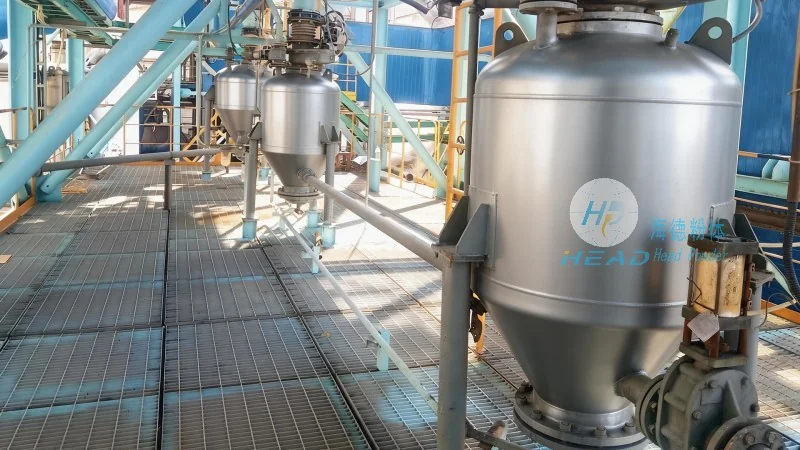
Types of Sintered Dust Pneumatic Conveying Systems
Sintered dust pneumatic conveying systems can be broadly classified into two main categories based on the pressure differential within the system: positive pressure systems and negative pressure systems. Each type has distinct characteristics and is suitable for different operational requirements.
Positive Pressure Pneumatic Conveying Systems
Positive pressure systems operate by blowing air or gas into the conveying line, creating a pressure higher than the ambient air pressure. This method is commonly used for short to medium distance conveying of sintered dust, especially when the material is light and the system needs to handle a high flow rate. The positive pressure system typically consists of a blower, a hopper for material storage, a conveying line, and a discharge point. The air flow pushes the dust particles through the line, ensuring efficient transport. This type of system is particularly effective for applications where the dust is sensitive to moisture or requires a clean environment, as the sealed system prevents contamination from external sources.
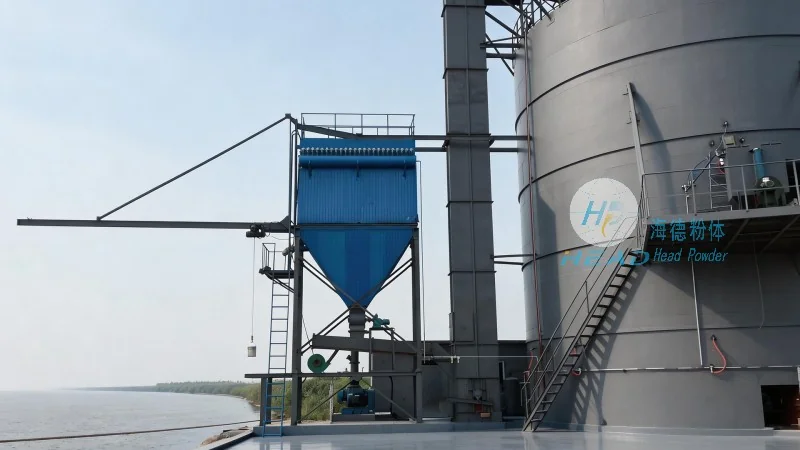
Negative Pressure Pneumatic Conveying Systems
Negative pressure systems, also known as suction systems, operate by creating a vacuum in the conveying line, which draws the dust particles from the source into the system. Unlike positive pressure systems, negative pressure systems are often used for longer distances or when the material is heavy and requires a lower flow rate. The system includes a vacuum pump, a dust collection hopper, a conveying line, and a discharge point. The vacuum pulls the dust particles, making it suitable for applications where the dust is generated at a fixed point and needs to be collected and transported to a central location. Negative pressure systems are advantageous in environments where dust control is critical, as they prevent dust from escaping into the ambient air.
Application Analysis of Sintered Dust Pneumatic Conveying Systems
The application of sintered dust pneumatic conveying systems varies across different industries, primarily driven by the nature of the dust and the operational conditions. In the steel industry, for instance, sintered dust is a byproduct of the sintering process, which is used to prepare iron ore for blast furnaces. The dust is often recycled back into the sintering process or transported to other facilities for further processing. The choice of system depends on the distance between the sintering plant and the storage or processing site. For short distances, a positive pressure system may be sufficient, while for longer distances, a negative pressure system might be more appropriate. The efficiency of the system in these applications is crucial, as it directly impacts the overall productivity and cost-effectiveness of the steel production process.
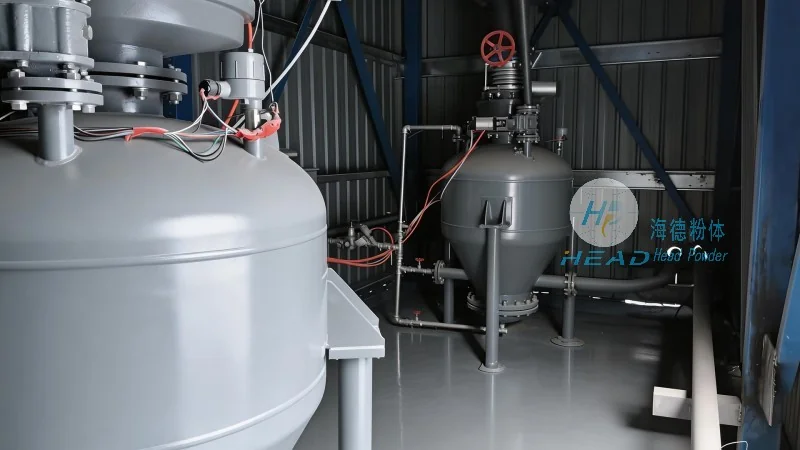
In the cement industry, sintered dust is also a byproduct, often from the calcination process. The dust is typically used as a raw material in the cement production or as a filler in construction materials. The pneumatic conveying system in this industry needs to handle large volumes of dust and ensure minimal loss during transport. The system design must consider the dust's particle size, moisture content, and flow characteristics to maintain consistent performance. HeadPowder's solutions in this sector often involve customized positive pressure systems that can handle high flow rates and maintain the dust's quality throughout the conveying process.
Another significant application is in the non-ferrous metal industry, where sintered dust is generated from the sintering of metal powders. This dust is often recycled to improve the material's properties or to reduce waste. The pneumatic conveying system in this industry must be capable of handling fine particles and maintaining a clean environment to prevent contamination of the metal powder. HeadPowder's negative pressure systems are commonly used here, as they can effectively collect and transport the fine dust without generating excessive dust clouds.
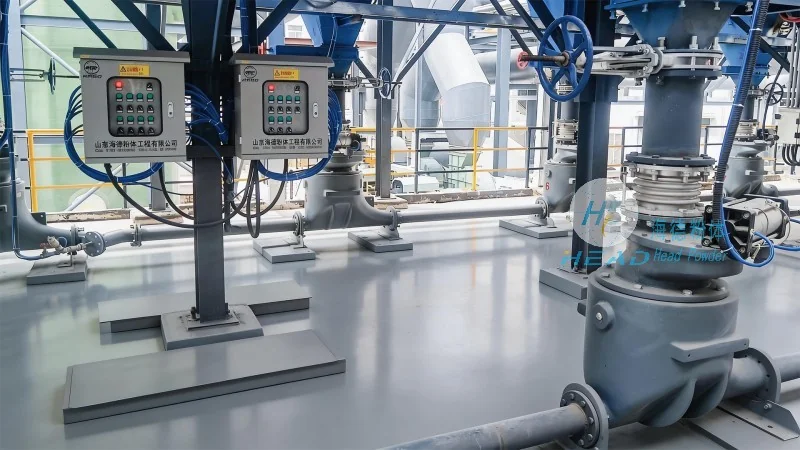
Key Factors in Selecting the Right System
When selecting a sintered dust pneumatic conveying system, several factors must be considered to ensure optimal performance and cost-effectiveness. The first factor is the distance and layout of the conveying route. Short distances may allow for the use of positive pressure systems, while longer distances or complex layouts may require negative pressure systems or a combination of both. The second factor is the material characteristics, including particle size, moisture content, and flowability. These properties affect the system's design, such as the size of the conveying line and the type of blower or vacuum pump required. The third factor is the required flow rate and pressure. Higher flow rates may necessitate larger blower capacity or more powerful vacuum pumps. The fourth factor is the environmental considerations, such as dust control and noise reduction. Systems that minimize dust emissions and operate quietly are preferred in modern industrial settings.
HeadPowder Engineering Co., Ltd., with its headquarters in Shandong, China, specializes in designing and manufacturing customized pneumatic conveying systems tailored to the specific needs of sintered dust applications. The company's expertise lies in understanding the unique challenges of each industry and providing solutions that enhance operational efficiency, reduce maintenance costs, and ensure compliance with environmental regulations. By leveraging advanced technology and years of experience, HeadPowder has become a trusted partner for many companies in the steel, cement, and non-ferrous metal industries, helping them optimize their dust handling processes and improve overall productivity.