

[Rice Husk Pneumatic Conveying Equipment: An Introduction to the Structure and Working Principle of
For industries dealing with bulk materials like rice husk, efficient and reliable material handling is crucial. Pneumatic conveying systems offer a solution that minimizes dust, reduces contamination risks, and enhances operational safety. This article delves into the structure and working principles of pneumatic conveying equipment, specifically focusing on systems designed for rice husk and other fine powders.
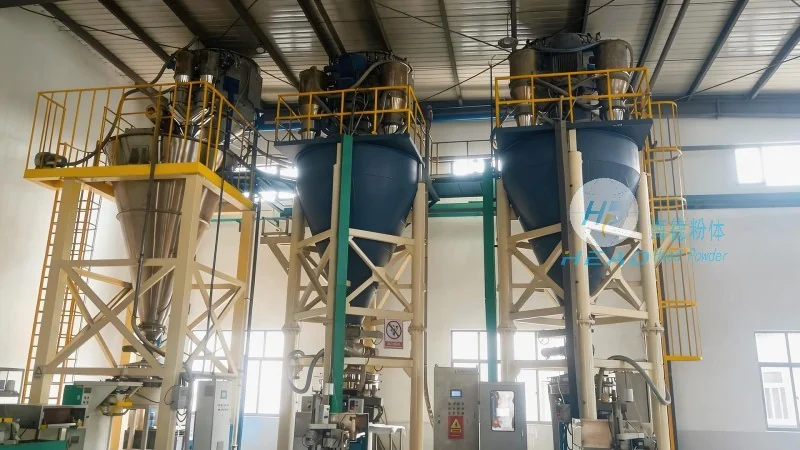
Understanding Pneumatic Conveying Technology
Pneumatic conveying, also known as pneumatic transport, is a method of transporting bulk materials through a pipeline using air or gas as the conveying medium. Unlike mechanical systems that rely on belts, screws, or buckets, pneumatic systems utilize pressure differentials to move materials. This technology is particularly advantageous for handling light, dusty, or abrasive materials, such as rice husk, which are prone to degradation or contamination in traditional handling methods.
Key Components of Pneumatic Conveying Equipment
The core components of a pneumatic conveying system for rice husk include the hopper, feeder, conveying line, and receiver. The hopper serves as the storage container, holding the bulk material ready for transport. The feeder, often a rotary valve or a star feeder, controls the flow rate of the material into the conveying line, ensuring a consistent and controlled discharge. The conveying line, typically made of stainless steel or other corrosion-resistant materials, transports the material and air mixture. The receiver, or discharge hopper, collects the material at the destination point, separating it from the air.
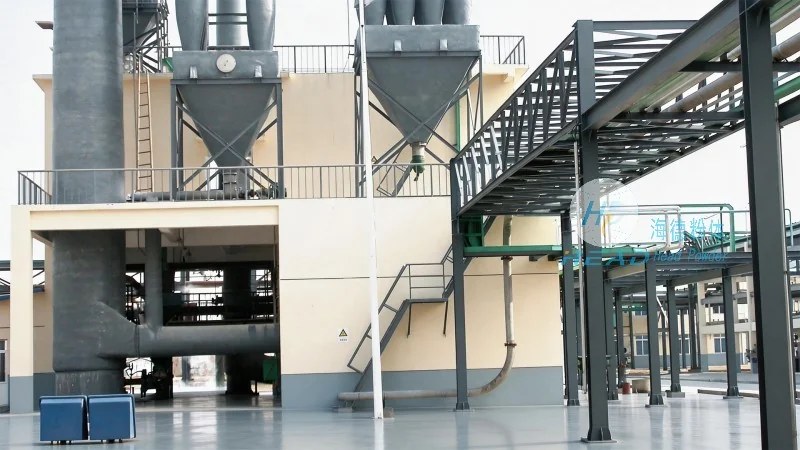
The Working Principle of Pneumatic Conveying
The operation of a pneumatic conveying system involves creating a pressure differential between the intake and discharge points. In a positive pressure system, air is blown into the conveying line, pushing the material forward. In a negative pressure (or vacuum) system, air is drawn out of the line, creating a vacuum that pulls the material. For rice husk, a positive pressure system is commonly used due to the material's light density and the need to prevent dust dispersion. The system operates by introducing air at the inlet, mixing it with the rice husk, and transporting the mixture through the pipeline to the receiver. At the receiver, a cyclone separator or other filtration system separates the material from the air, allowing the rice husk to be collected while the air is discharged or recirculated.
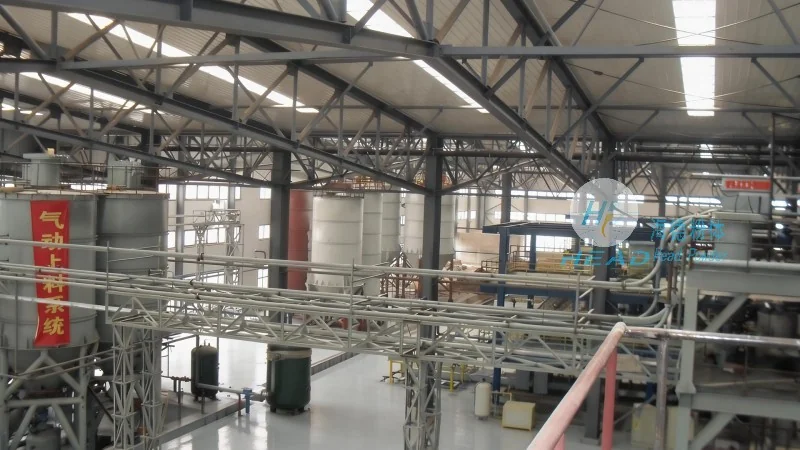
Advantages of Pneumatic Conveying for Rice Husk Handling
Implementing pneumatic conveying systems for rice husk offers several benefits. Firstly, it reduces dust generation, which is critical for maintaining a clean and safe working environment. Secondly, it minimizes material degradation by avoiding contact with mechanical components, preserving the quality of the rice husk. Thirdly, the system is highly flexible, allowing for changes in material flow rates and destination points without major modifications. Additionally, pneumatic conveying systems are compact and can be integrated into existing production lines, making them a cost-effective solution for material handling.
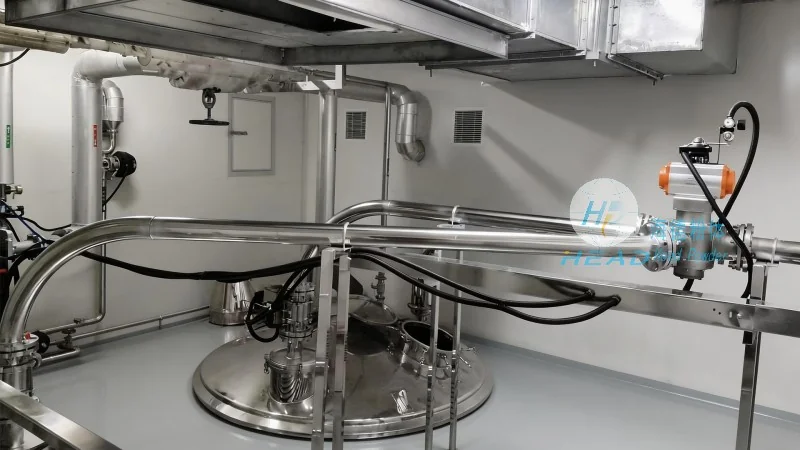
Applications in Industrial Settings
Pneumatic conveying equipment is widely used in various industries, including agriculture, food processing, and chemical manufacturing. For rice husk, the primary applications include transporting the material from storage silos to processing units, such as boilers or biofuel plants. The systems are also used in the production of animal feed, where rice husk is mixed with other ingredients. In the chemical industry, similar systems handle fine powders that require gentle handling to prevent agglomeration or loss of quality.
Conclusion
Pneumatic conveying equipment provides an efficient and effective solution for handling rice husk and other fine powders. By understanding the structure and working principles of these systems, industries can optimize their material handling processes, improve operational efficiency, and ensure product quality. As a leading manufacturer in this field, Shandong HeadPowder Engineering Co., Ltd. specializes in designing and supplying customized pneumatic conveying systems tailored to the specific needs of rice husk processing and other powder handling applications.