

Carbon Pneumatic Conveying Equipment: Structure and Principle of Powder Handling Systems
Carbon pneumatic conveying equipment is a specialized system designed for the efficient transport of bulk powders and granular materials. This technology, widely used in various industrial sectors, leverages the force of compressed air to move materials through a pipeline network. The fundamental principle involves creating a pressure differential that propels the material along the conveying line, ensuring a reliable and continuous flow. Understanding the structure and operational principles of such equipment is crucial for optimizing material handling processes in industries like carbon production, food processing, and pharmaceuticals.
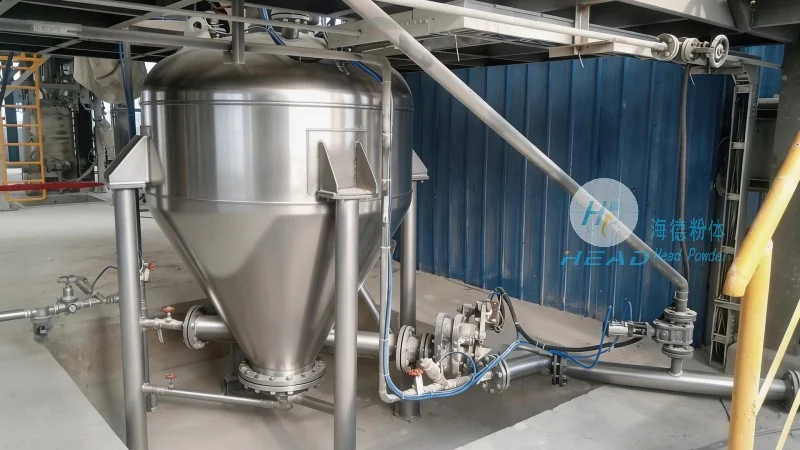
Key Components and Structural Design of Carbon Pneumatic Conveying Systems
The core components of a carbon pneumatic conveying system include the material hopper, feeder, air compressor, conveying line, and discharge unit. The material hopper is responsible for storing the carbon-based powder, ensuring a consistent feed to the system. The feeder, typically a rotary valve or screw feeder, regulates the flow rate of the material into the conveying line. The air compressor generates the necessary pressure to create the airflow, which is then directed through the pipeline. The conveying line, often made of stainless steel or other corrosion-resistant materials, is designed to withstand the pressure and abrasive nature of the carbon powder. The discharge unit, such as a rotary valve or a venturi, controls the release of the material at the destination point. Each component works in tandem to ensure the smooth and efficient transfer of the material.
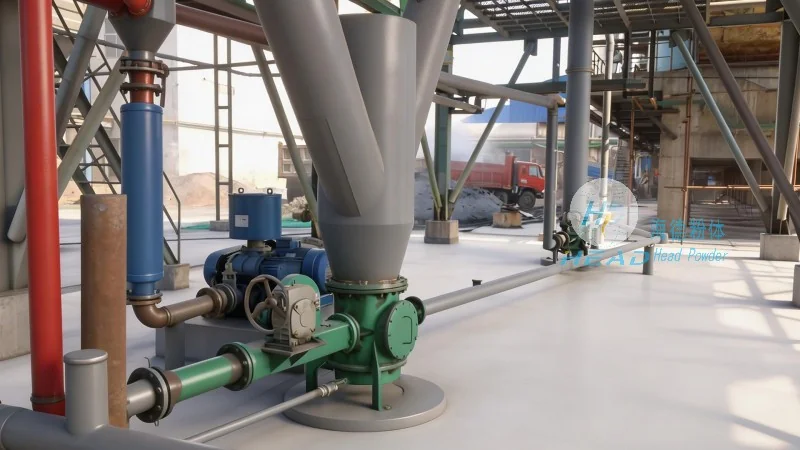
How Carbon Pneumatic Conveying Works: Operational Principles
The operation of carbon pneumatic conveying systems is based on the principle of fluidization and pneumatic transport. When compressed air is introduced into the conveying line, it creates a low-pressure zone that draws the carbon powder from the hopper into the pipeline. The air and material mixture travels through the line at high velocity, maintaining the material in a suspended state. The velocity of the air must be sufficient to overcome the gravitational forces and friction within the pipeline, ensuring that the material does not settle or clog the system. The system can operate in either positive pressure or negative pressure modes. In positive pressure systems, the air is forced into the conveying line, while in negative pressure systems, the air is drawn out, creating a vacuum that pulls the material. The choice between these modes depends on the specific application and the nature of the carbon powder being transported.
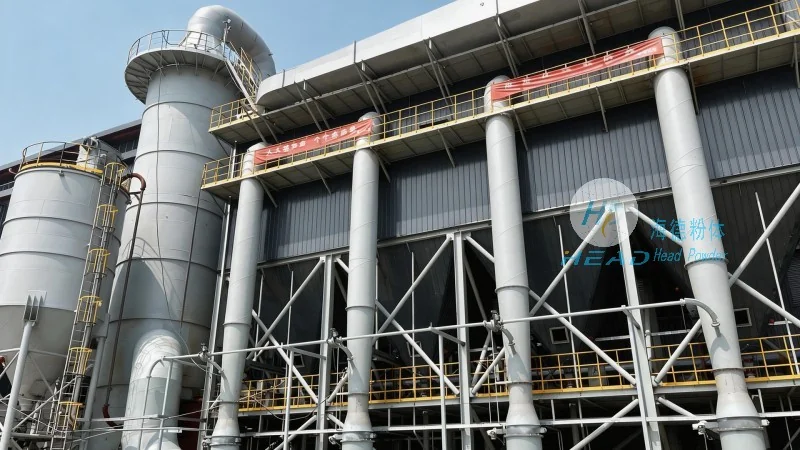
About Shandong HeadPowder Engineering Co., Ltd.
Shandong HeadPowder Engineering Co., Ltd. is a leading manufacturer and supplier of advanced carbon pneumatic conveying equipment. With a focus on innovation and quality, the company specializes in designing and producing systems tailored to the unique needs of various industries. HeadPowder's facilities are located in Shandong, China, where the company leverages its expertise in material handling technology to deliver reliable and efficient solutions. The company's products are known for their durability, energy efficiency, and compliance with industry standards, making them a trusted choice for businesses seeking to optimize their material transport processes. By combining advanced engineering with customer-centric service, HeadPowder ensures that its clients receive the best possible solutions for their carbon powder handling requirements.