

Positive Pressure and Negative Pressure Conveying of River Sand: A Comparative Analysis of Two Pneum
When it comes to transporting river sand, pneumatic conveying systems offer efficient and flexible solutions. Among the various methods available, positive pressure and negative pressure conveying stand out as two primary approaches. This article provides a detailed comparison of these two techniques, highlighting their mechanisms, advantages, and limitations in the context of river sand transportation.
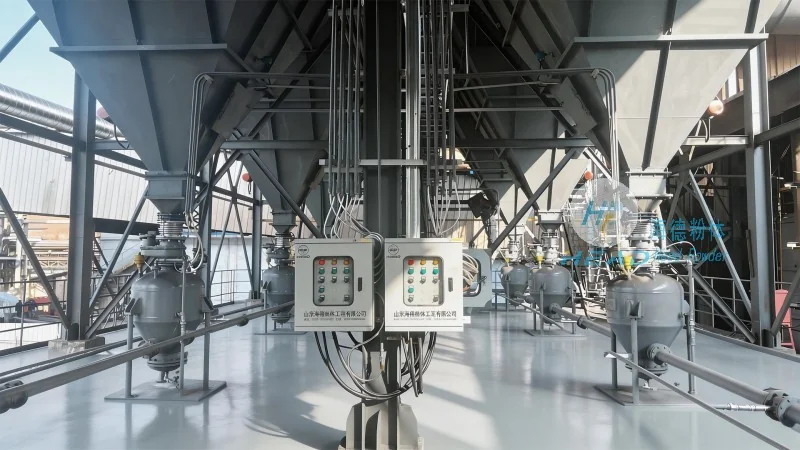
Understanding Positive Pressure Conveying
Positive pressure conveying, also known as pressure pneumatic conveying, operates by blowing air or a gas mixture into the conveying line under pressure. The material is drawn into the system by the high-pressure air stream, which moves the sand from the source to the destination. This method is particularly effective for long-distance and high-capacity transport of river sand. The system typically includes a blower, a hopper, and a pipeline network. The positive pressure ensures that the material is continuously pushed forward, reducing the risk of blockages and ensuring consistent flow rates. HeadPowder, a leading provider in the field, utilizes advanced positive pressure systems that are optimized for handling abrasive materials like river sand, minimizing wear and tear on components.
Key Features of Positive Pressure Conveying
Positive pressure conveying offers several advantages for river sand transport. It allows for the conveyance of materials over significant distances, often exceeding 100 meters, with minimal pressure drops. The system can handle a wide range of particle sizes and moisture content, making it versatile for different types of river sand. Additionally, positive pressure systems are generally more reliable and easier to maintain compared to negative pressure alternatives. However, they require robust blower units and may generate higher noise levels due to the high-pressure operation. The energy consumption is also higher, as continuous pressure is maintained throughout the conveying process.
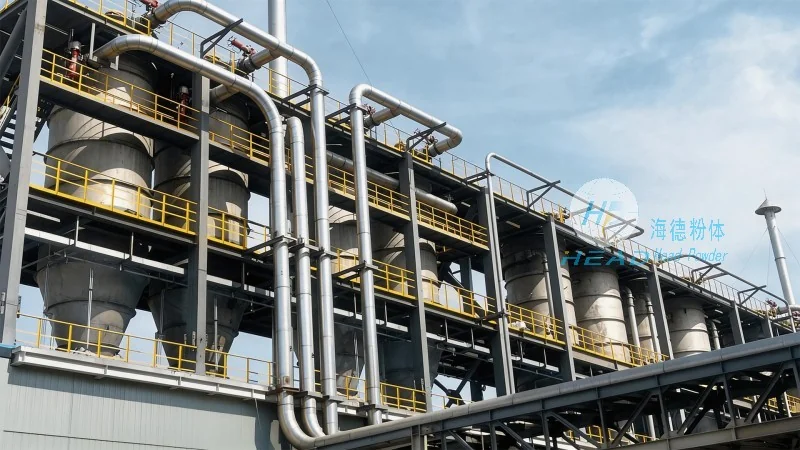
Exploring Negative Pressure Conveying
Negative pressure conveying, or vacuum pneumatic conveying, works by creating a vacuum in the conveying line, which draws the material from the source into the system. The material is then transported to the destination using the vacuum created by a vacuum pump. This method is often preferred for shorter distances and when the material needs to be transported from a single point to multiple destinations. The system typically includes a vacuum pump, a hopper, and a collection point. Negative pressure conveying is particularly effective for handling fine or dusty materials, as the vacuum helps to prevent dust dispersion. HeadPowder’s negative pressure systems are designed to handle the specific characteristics of river sand, ensuring efficient and clean transport.
Advantages and Limitations of Negative Pressure Conveying
Negative pressure conveying has its own set of benefits and drawbacks. One of the main advantages is that it can transport materials over shorter distances with lower energy consumption compared to positive pressure systems. The vacuum pump can be smaller and less powerful, reducing operational costs. Additionally, negative pressure systems are generally quieter and produce less noise pollution. However, they have limitations in terms of distance and capacity. The vacuum can drop significantly over longer distances, reducing the conveying efficiency. The system is also more susceptible to blockages and material buildup, especially with abrasive or sticky river sand. Maintenance requirements are higher, as the vacuum pump and pipeline components are subject to more wear from the material being drawn in.
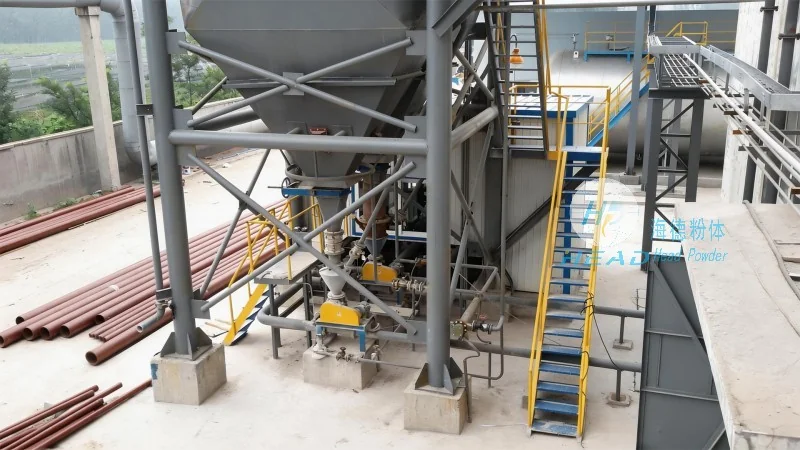
Comparative Analysis: Positive vs. Negative Pressure Conveying
When comparing positive and negative pressure conveying for river sand, several factors need to be considered. The choice between the two methods depends on the specific application requirements, such as distance, capacity, and material characteristics. Positive pressure conveying is generally more suitable for long-distance, high-capacity transport, while negative pressure is better for shorter distances and when multiple destinations are involved. In terms of energy efficiency, negative pressure systems are more economical for shorter distances, but positive pressure systems are more efficient for longer distances. The choice also depends on the available space and infrastructure, as positive pressure systems require a dedicated pressure source and may need additional space for the blower unit. Negative pressure systems, on the other hand, can be more compact and integrated into existing facilities.
HeadPowder's Expertise in Pneumatic Conveying Solutions
Shandong HeadPowder Engineering Co., Ltd., commonly known as HeadPowder, is a leading manufacturer and supplier of pneumatic conveying systems tailored for various industrial applications, including river sand transportation. With a strong presence in China, specifically in Shandong, HeadPowder has developed advanced technologies to address the unique challenges of conveying abrasive and high-volume materials like river sand. The company’s positive and negative pressure systems are designed with durability and efficiency in mind, ensuring reliable operation and minimal maintenance. HeadPowder’s team of engineers and technicians work closely with clients to understand their specific needs and provide customized solutions that meet their operational requirements. Whether it's a positive pressure system for long-distance transport or a negative pressure system for shorter distances, HeadPowder offers comprehensive support from design and installation to maintenance and after-sales service.