

Positive Pressure and Negative Pressure Conveying of Calcium Powder: A Comparative Analysis of Two P
Shandong HeadPowder Engineering Co., Ltd., commonly known as headpowder, specializes in the design and implementation of advanced material handling solutions. Among the most critical processes in bulk material transport is pneumatic conveying, which involves moving powders and granules through a pipeline using air or other gases. For calcium powder, a widely used industrial material, the choice between positive pressure and negative pressure conveying systems is a pivotal decision that impacts efficiency, cost, and operational safety. This analysis delves into the comparative advantages and limitations of both methods, providing insights for industries seeking optimal material handling strategies.
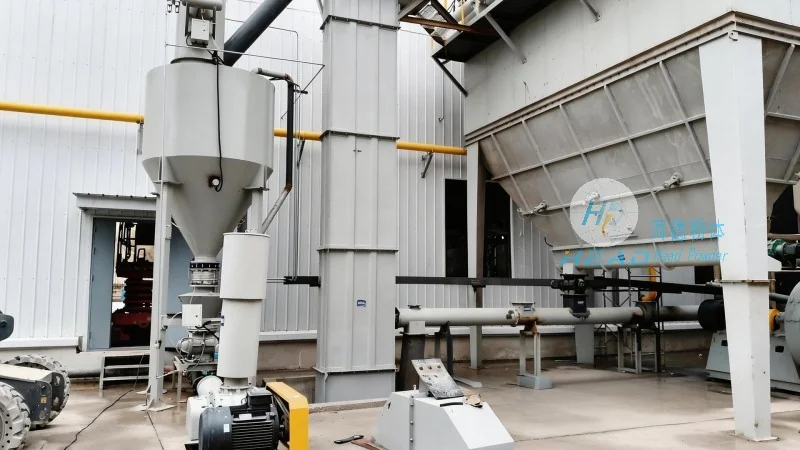
Understanding Positive Pressure Conveying
Positive pressure conveying, also known as pressure pneumatic conveying, operates by generating pressure within the conveying line, typically using a positive displacement blower or a rotary lobe pump. The system forces air and the material through the pipeline, ensuring a continuous flow of the powder. This method is particularly effective for long-distance or high-rise applications, as it can maintain consistent pressure and prevent material degradation due to air exposure. The positive pressure system is also suitable for handling abrasive or corrosive materials, as the enclosed pipeline protects the material from external contaminants. However, it requires robust equipment to manage the pressure, and the system can be more complex to maintain, especially in large-scale operations.
Key Features of Positive Pressure Conveying
When considering positive pressure conveying for calcium powder, several key features stand out. First, the system offers high conveying capacity, making it ideal for large-scale production lines. The consistent pressure ensures that the material moves smoothly through the pipeline, reducing the risk of blockages or clogging. Additionally, positive pressure systems can handle a wide range of particle sizes and moisture content, as the enclosed environment prevents moisture loss and particle agglomeration. Another advantage is the ability to integrate with other processing equipment, such as silos or storage tanks, allowing for seamless material transfer. However, the high-pressure operation demands careful maintenance and regular inspections to ensure the integrity of the pipeline and equipment. The cost of installation and operation can also be higher compared to negative pressure systems, particularly for long-distance applications.
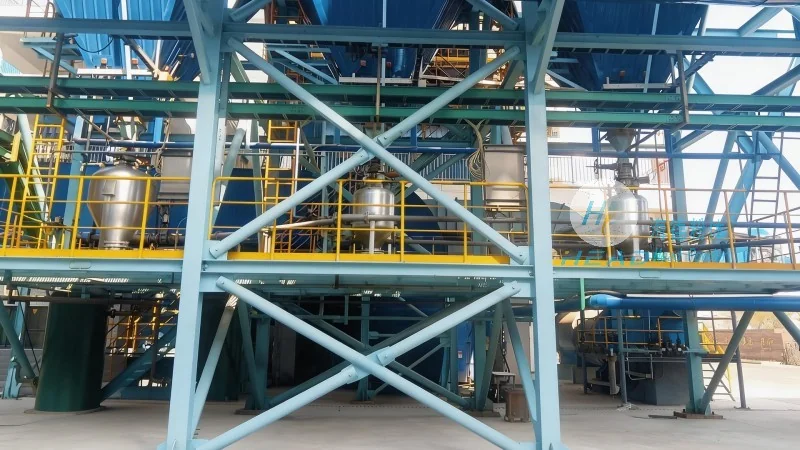
Exploring Negative Pressure Conveying
Negative pressure conveying, or vacuum pneumatic conveying, works by creating a vacuum in the receiving hopper or silo, drawing the material and air into the pipeline. This method is often preferred for shorter distances or when the material needs to be transferred from a lower elevation to a higher one. The system is generally simpler and more cost-effective for smaller-scale operations, as it requires less powerful equipment compared to positive pressure systems. Negative pressure conveying is also beneficial for handling materials that are sensitive to pressure, as the lower pressure environment reduces the risk of particle degradation. However, it has limitations in terms of conveying distance and material capacity, as the vacuum can diminish over longer pipelines, leading to reduced efficiency. The system is also more susceptible to air leaks, which can affect the material flow and increase energy consumption.
Comparative Analysis: Positive vs. Negative Pressure Conveying
When evaluating the two methods for calcium powder, several factors must be considered to determine the most suitable option. The primary difference lies in the pressure dynamics: positive pressure systems use external pressure to move material, while negative pressure systems rely on suction. This impacts the energy consumption, as positive pressure systems typically require more power to maintain pressure, whereas negative pressure systems use less energy but may need more frequent maintenance due to vacuum fluctuations. In terms of material handling, positive pressure is better suited for abrasive or corrosive calcium powders, as the enclosed pipeline protects the material from wear and contamination. Negative pressure, on the other hand, is ideal for handling fine powders that are prone to agglomeration, as the lower pressure reduces the risk of particle clumping. The choice also depends on the operational scale: positive pressure is preferred for large-scale industrial applications, while negative pressure is more suitable for smaller, localized transfers. Additionally, the cost of installation and maintenance varies significantly, with positive pressure systems being more expensive upfront but potentially more cost-effective in the long run due to higher efficiency and reliability.
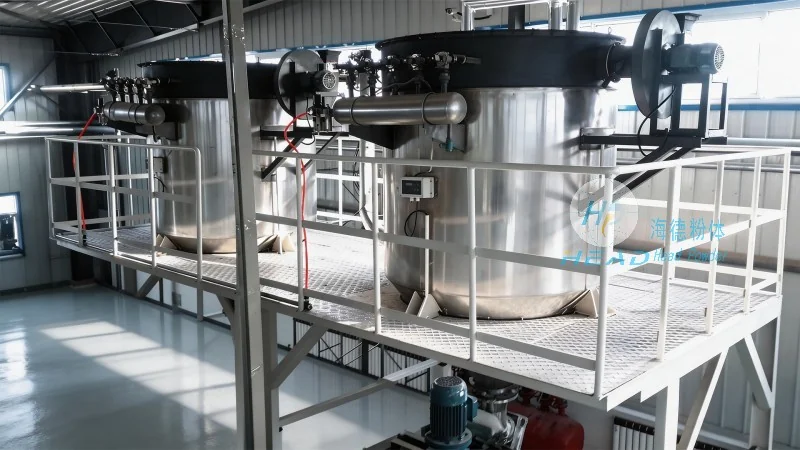
Practical Considerations for Calcium Powder Conveying
For industries using calcium powder, practical considerations play a crucial role in selecting the right pneumatic conveying system. First, the distance and elevation changes between the source and destination are critical factors. Positive pressure is recommended for long distances or when the material needs to be lifted to a higher level, as the pressure can be maintained over longer pipelines. Negative pressure is more appropriate for shorter distances or when the material is being moved from a higher to a lower level. The particle size and moisture content of the calcium powder also influence the choice, as finer particles may require negative pressure to prevent agglomeration, while coarser particles can be handled by positive pressure. The system's integration with existing infrastructure, such as storage silos or processing equipment, is another key consideration. Positive pressure systems can easily connect to existing silos, while negative pressure may require additional equipment like vacuum pumps. Finally, the operational environment, including the presence of dust or other contaminants, affects the system's design. Positive pressure systems are better suited for environments with high dust levels, as the enclosed pipeline prevents dust from escaping, whereas negative pressure systems may require additional filtration to prevent dust from entering the system.
Conclusion: Choosing the Right Conveying Method
Ultimately, the choice between positive pressure and negative pressure conveying for calcium powder depends on a combination of factors, including operational requirements, material characteristics, and budget constraints. Positive pressure conveying offers higher efficiency, greater capacity, and better protection for the material, making it ideal for large-scale industrial applications. Negative pressure conveying, while simpler and more cost-effective for smaller operations, may be less efficient for long distances or abrasive materials. By carefully evaluating these factors, industries can select the most suitable pneumatic conveying system to ensure smooth, reliable, and cost-effective material handling. Shandong HeadPowder Engineering Co., Ltd. provides expert guidance and customized solutions to help clients choose the right system for their specific needs, ensuring optimal performance and long-term operational success.