

Soil Positive Pressure Conveying vs. Negative Pressure Conveying: A Comparative Analysis of Two Pneu
Soil pneumatic conveying is a critical technology in the construction and environmental sectors, enabling the efficient transport of soil and other bulk materials over long distances without the need for traditional mechanical systems. Two primary methods dominate this field: positive pressure conveying and negative pressure conveying. Understanding the differences between these approaches is essential for selecting the most suitable solution for specific applications. This analysis provides a detailed comparison of the two methods, highlighting their operational principles, advantages, disadvantages, and practical applications.
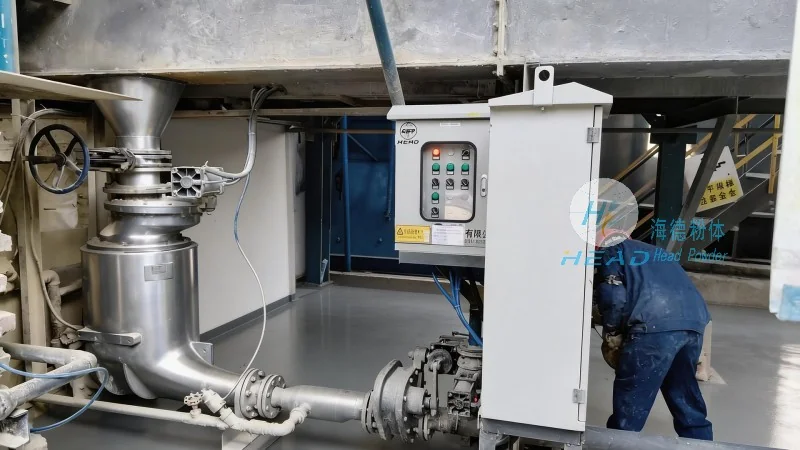
Understanding Pneumatic Conveying Systems
Pneumatic conveying systems utilize air or gas to transport particulate materials through a pipeline. The two main categories are positive pressure and negative pressure systems. Positive pressure systems operate by blowing air into the pipeline, creating a pressure higher than the ambient air, which propels the material forward. In contrast, negative pressure systems draw air and material from the source, creating a vacuum that pulls the material into the pipeline. Each method has distinct characteristics that influence its suitability for different tasks.
Positive Pressure Conveying: Advantages and Applications
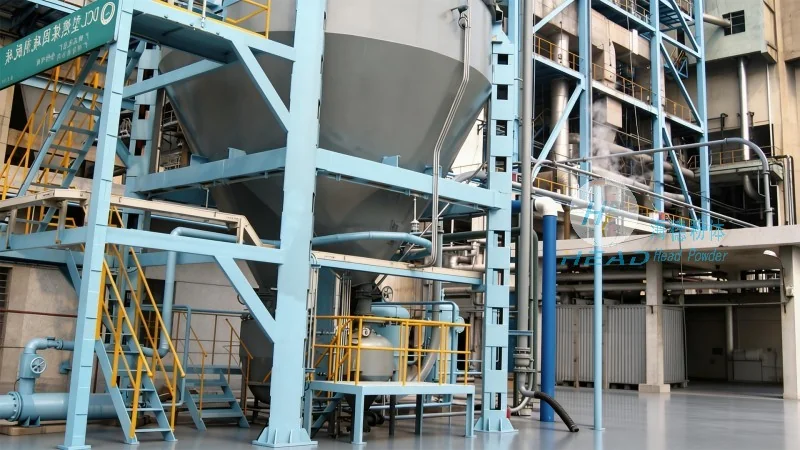
Positive pressure conveying, also known as pressure pneumatic conveying, is a robust method suitable for long-distance and high-capacity material transport. It operates by generating a positive pressure in the pipeline, typically using a blower or compressor at the discharge end. This pressure ensures that the material is continuously pushed through the system, minimizing the risk of clogging and ensuring consistent flow rates. The method is particularly effective for transporting abrasive or sticky materials, as the high pressure helps maintain material separation and prevents blockages. Additionally, positive pressure systems can handle materials with a wide range of particle sizes and moisture content, making them versatile for various soil types and construction projects.
Key Features of Positive Pressure Conveying
Positive pressure systems are characterized by their ability to handle high material loads and long pipeline lengths. The pressure differential between the discharge and intake points provides the necessary force to move materials efficiently. However, this method requires careful consideration of the system's pressure rating and the material's properties to avoid excessive wear on components. The equipment used, such as positive displacement blowers and high-pressure pipelines, is designed to withstand the internal pressure, ensuring durability and reliability. For example, in large-scale construction projects, positive pressure conveyors are often used to transport excavated soil from a site to a disposal or processing facility, covering distances of several kilometers without the need for intermediate transfer points.
Negative Pressure Conveying: Advantages and Applications
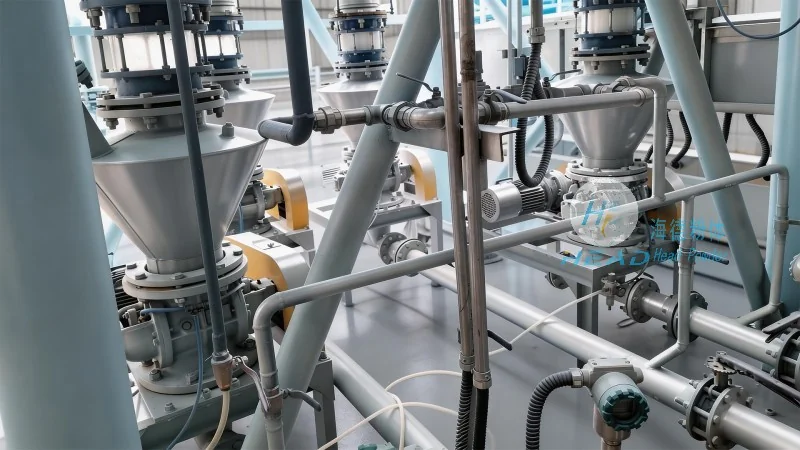
Negative pressure conveying, or vacuum pneumatic conveying, operates by creating a vacuum in the pipeline, drawing material from the source and transporting it to the destination. This method is ideal for short to medium-distance transport and is commonly used in applications where the material source is located at a higher elevation than the destination. The vacuum is generated by a fan or vacuum pump at the intake end, which pulls the material and air mixture through the system. Negative pressure systems are particularly effective for handling fine powders and granular materials, as the low pressure helps maintain material integrity and prevents dust dispersion. The method is also suitable for applications requiring minimal material degradation, such as transporting soil for reclamation or landscaping projects.
Key Features of Negative Pressure Conveying
Negative pressure systems are generally more compact and require less space compared to positive pressure systems, making them suitable for confined areas or urban environments. The vacuum created at the intake point ensures that the material is drawn into the pipeline without the need for high pressure, reducing the risk of material degradation or clogging. However, negative pressure systems have limitations in terms of material capacity and pipeline length, as the vacuum strength diminishes over distance. The equipment used, such as vacuum pumps and low-pressure pipelines, is designed to handle the vacuum conditions, ensuring efficient material transport. For instance, in environmental remediation projects, negative pressure conveyors are often used to transport contaminated soil from a site to a treatment facility, minimizing the risk of dust exposure and ensuring compliance with environmental regulations.
Comparative Analysis: Positive vs. Negative Pressure Conveying
When comparing positive and negative pressure conveying, several factors must be considered to determine the most appropriate method for a given application. The primary differences lie in the pressure differential, material handling capabilities, and system complexity. Positive pressure systems are generally more suitable for long-distance and high-capacity transport, while negative pressure systems are better suited for short distances and fine materials. The choice also depends on the material's properties, such as particle size, moisture content, and abrasiveness, as well as the available space and infrastructure at the project site.
Operational Considerations and Maintenance
Both positive and negative pressure conveying systems require regular maintenance to ensure optimal performance and longevity. Positive pressure systems may experience increased wear on components due to the high pressure and abrasive materials, necessitating periodic inspection and replacement of parts like blowers, pipelines, and filters. Negative pressure systems, while generally more compact, may require more frequent cleaning of the vacuum pump and intake filters to prevent dust accumulation and maintain vacuum efficiency. Proper maintenance, including regular lubrication, filter replacement, and system checks, is crucial for minimizing downtime and maximizing the operational life of the equipment.
Applications in the Construction and Environmental Sectors
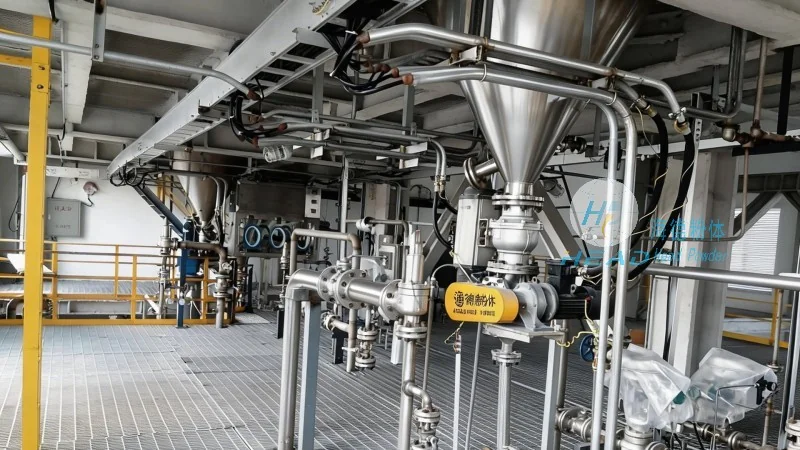
The choice between positive and negative pressure conveying significantly impacts project efficiency and cost-effectiveness in the construction and environmental industries. Positive pressure systems are widely used in large-scale construction projects, such as road and building development, where long-distance soil transport is required. They are also employed in mining operations to move excavated materials from the site to processing facilities. Negative pressure systems, on the other hand, are commonly used in environmental remediation projects, where the transport of contaminated soil is necessary while minimizing environmental impact. Additionally, both methods are utilized in landscaping and soil reclamation projects, where the efficient movement of soil is essential for project success.
Conclusion
In conclusion, positive pressure and negative pressure conveying are two distinct yet effective methods for soil and bulk material transport. Positive pressure systems excel in long-distance and high-capacity applications, offering robust performance and versatility. Negative pressure systems, while more suitable for short distances and fine materials, provide compact and efficient solutions for specific tasks. The selection of the appropriate method depends on various factors, including project requirements, material properties, and operational constraints. By understanding the operational principles and characteristics of each system, engineers and project managers can make informed decisions to optimize material transport and enhance overall project efficiency.