

Positive Pressure and Negative Pressure Conveying of Rice Bran: A Comparative Analysis of Two Pneuma
Rice bran, a byproduct of rice milling, is widely used in the food, feed, and industrial sectors. Efficient and reliable material handling is crucial for processing rice bran, and pneumatic conveying systems offer effective solutions. Two primary methods are commonly employed: positive pressure conveying and negative pressure conveying. This article provides a detailed comparison of these two approaches, focusing on their mechanisms, advantages, disadvantages, and suitable applications in the rice bran processing industry.
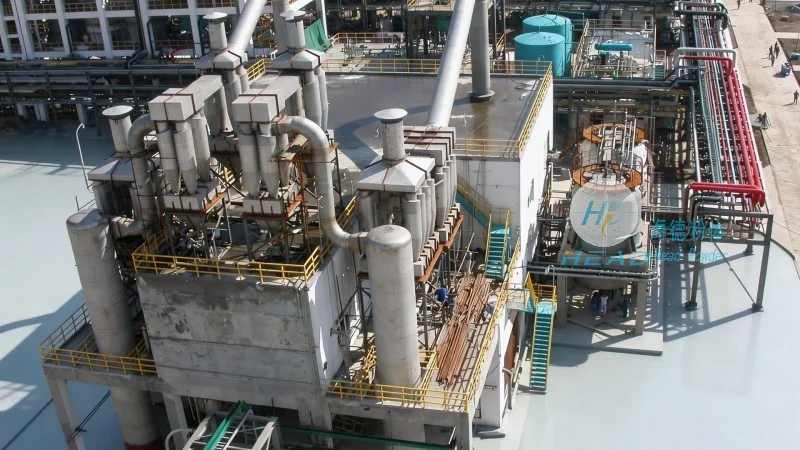
Understanding Positive Pressure Conveying
Positive pressure conveying, also known as pressure pneumatic conveying, operates by blowing air or a carrier gas into the conveying line under pressure. The system uses a positive pressure blower or compressor to generate the necessary pressure, which forces the material to move through the pipeline. This method is particularly effective for conveying materials over long distances or through complex system layouts.
Key characteristics of positive pressure conveying include: high conveying capacity, ability to handle abrasive or sticky materials, and the capability to operate in both horizontal and vertical orientations. The system typically consists of a hopper, a positive pressure blower, a filter, and a discharge point. The air is introduced at the inlet, creating a pressure differential that propels the material forward. This method is often preferred for applications requiring high throughput and the transport of materials over significant distances.
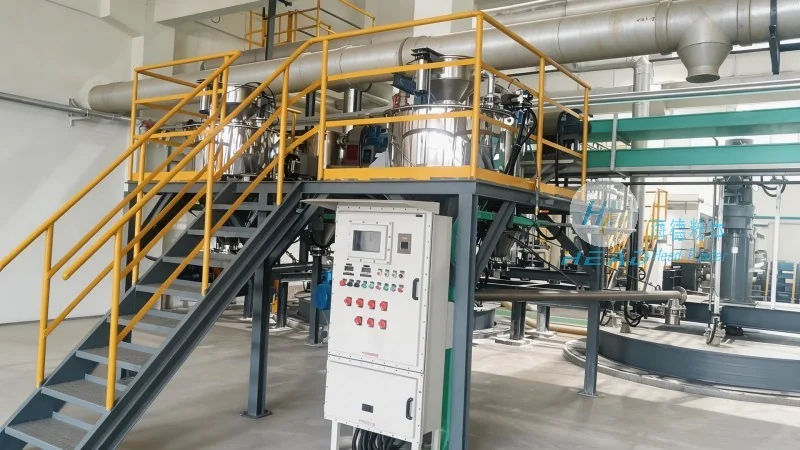
Advantages of Positive Pressure Conveying
Positive pressure conveying offers several advantages in rice bran handling. First, it can handle high material loads, making it suitable for large-scale processing operations. Second, the system is relatively simple in design, with fewer components compared to negative pressure systems, which can reduce maintenance costs and complexity. Third, it is effective in preventing material degradation due to the sealed system, which minimizes exposure to air and moisture. Additionally, positive pressure systems can be easily integrated with other processing equipment, such as storage silos and processing lines, enhancing overall operational efficiency.
Disadvantages of Positive Pressure Conveying
Despite its benefits, positive pressure conveying has some drawbacks. One significant limitation is the potential for material buildup in the system, especially with sticky or fine materials like rice bran. This can lead to blockages and require regular cleaning or maintenance. Another drawback is the higher energy consumption compared to negative pressure systems, as the blower must generate sufficient pressure to move the material. Furthermore, positive pressure systems may pose safety risks if not properly sealed, as the high-pressure air can escape and cause environmental or safety issues.
Understanding Negative Pressure Conveying
Negative pressure conveying, or vacuum pneumatic conveying, operates by creating a vacuum at the inlet of the conveying line. The system uses a vacuum pump to draw material from the source into the pipeline, where it is then transported to the discharge point. This method is ideal for applications requiring the collection of materials from multiple points or for conveying materials over shorter distances.

Key characteristics of negative pressure conveying include: lower material loads compared to positive pressure systems, suitability for fine or light materials, and the ability to handle materials that are sensitive to pressure changes. The system typically includes a hopper, a vacuum pump, a filter, and a discharge unit. The vacuum is created at the inlet, and the material is drawn into the pipeline by the pressure differential between the inlet and the discharge point. This method is often used for applications where the material needs to be collected from a source and transported to a central processing area.
Advantages of Negative Pressure Conveying
Negative pressure conveying offers distinct advantages for rice bran handling. First, it is more energy-efficient compared to positive pressure systems, as the vacuum pump operates at lower pressures. Second, the system is less prone to material blockages, as the vacuum draws the material rather than forcing it through the line. This reduces the need for frequent maintenance and cleaning. Third, negative pressure systems are better suited for handling fine or light materials, such as rice bran, without causing excessive wear on the system components. Additionally, the sealed system helps maintain the quality of the material by minimizing exposure to contaminants.