

Introduction to Sawdust and Wood Flakes Pneumatic Conveying Systems: Working Principles Explained
For businesses in the wood processing industry, efficient material handling is crucial for maintaining productivity and ensuring a smooth workflow. Among the various methods available, pneumatic conveying systems have emerged as a reliable solution for transporting sawdust and wood flakes. This article provides an overview of pneumatic conveying systems designed for these materials, detailing their working principles and the key components that make them effective.
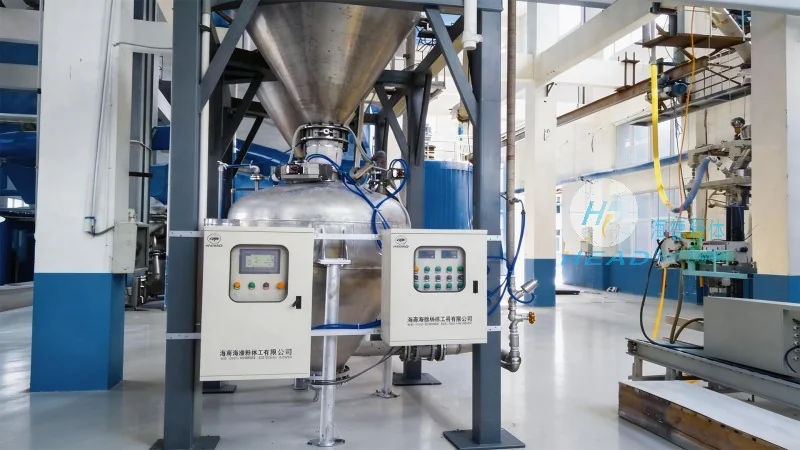
Understanding Pneumatic Conveying for Sawdust and Wood Flakes
Pneumatic conveying, also known as air conveying, is a technology that uses pressurized or vacuum air to transport bulk materials through a closed pipeline system. In the context of sawdust and wood flakes, this method offers several advantages over traditional mechanical conveying, such as reduced dust contamination, lower maintenance requirements, and the ability to handle materials in a hygienic and controlled environment. The system is particularly suitable for applications where materials need to be moved from one processing stage to another, such as from a wood chipper to a drying unit or from a storage silo to a production line.
Key Components of a Pneumatic Conveying System
The effectiveness of a pneumatic conveying system for sawdust and wood flakes depends on the integration of several critical components. These include:
- Feed Hopper and Metering Device: The feed hopper is used to store the raw material, while the metering device ensures a consistent and controlled flow of sawdust or wood flakes into the system. This component prevents overloading and maintains the desired conveying rate.
- Air Supply Unit: This unit generates the necessary air pressure or vacuum to move the material through the pipeline. It typically includes a blower or compressor, air filters, and pressure regulators to ensure stable and clean air delivery.
- Pipeline System: The pipeline, usually made of stainless steel or other corrosion-resistant materials, forms the main path for the material and air mixture. The design of the pipeline, including bends, elbows, and straight sections, is optimized to minimize pressure drop and maintain efficient flow.
- Conveying Sections: Depending on the system design, the pipeline may include sections for different conveying modes, such as dilute phase (where material is suspended in air) or dense phase (where material is pushed in a slurry-like state). The choice of mode depends on the material characteristics and the required conveying distance.
- Separation and Cleaning Equipment: At the end of the conveying line, a separator or cyclone is used to separate the material from the air. This component ensures that the material is deposited in the receiving hopper while the air is filtered and returned to the system or released to the atmosphere. Additional cleaning equipment, such as filters or scrubbers, may be included to maintain air quality and prevent dust accumulation.
Working Principles of Pneumatic Conveying
The operation of a pneumatic conveying system for sawdust and wood flakes involves a series of steps that work in tandem to move the material from the source to the destination. The process typically begins with the material being fed into the hopper. The metering device then controls the flow rate, ensuring a steady supply of material into the pipeline.
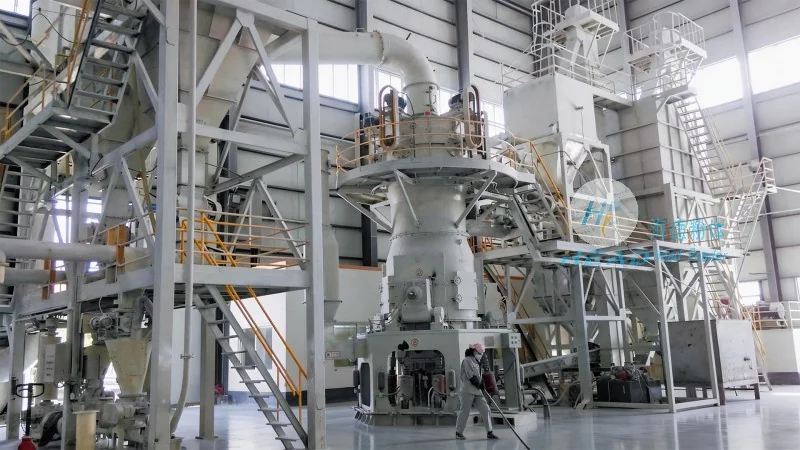
Simultaneously, the air supply unit generates the required air pressure. In a positive pressure system, the air is forced through the pipeline, carrying the material along with it. The air and material mixture travels through the pipeline, with the material suspended in the air stream. As the mixture reaches the receiving hopper, the separator or cyclone separates the material from the air. The material is then collected in the hopper, while the air is filtered and either recirculated or vented.
Advantages of Pneumatic Conveying for Sawdust and Wood Flakes
Implementing a pneumatic conveying system for sawdust and wood flakes offers several benefits that contribute to improved operational efficiency and product quality. Some of the key advantages include:
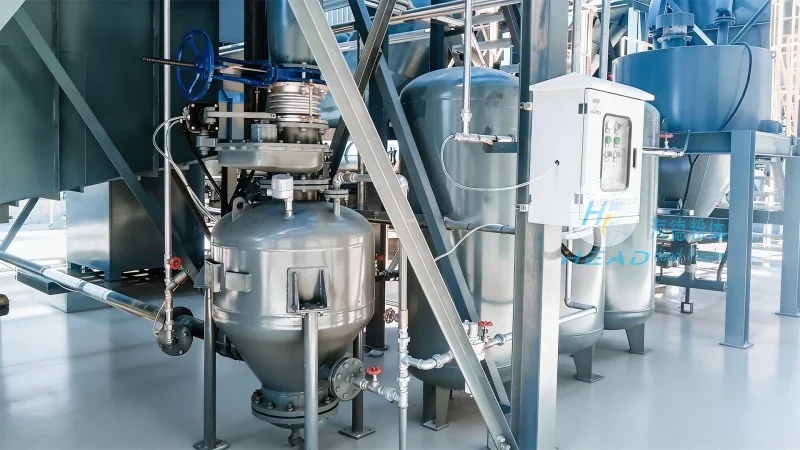
- Efficient Material Transport: The system allows for the rapid and continuous movement of large volumes of sawdust and wood flakes, reducing the time and labor required for manual handling.
- Reduced Dust Contamination: By containing the material within a closed pipeline, the system minimizes dust emissions, which improves workplace safety and maintains a cleaner environment.
- Low Maintenance Requirements: Compared to mechanical conveyors, pneumatic systems have fewer moving parts, resulting in lower maintenance costs and longer equipment lifespan.
- Hygienic and Controlled Environment: The closed system prevents contamination from external sources, making it suitable for applications where material purity is critical, such as in the production of wood-based panels or composite materials.
- Flexibility and Scalability: Pneumatic conveying systems can be easily customized to accommodate different material types, conveying distances, and production rates. They can also be expanded or modified as the business grows.
About HeadPowder: Shandong HeadPowder Engineering Co., Ltd.
HeadPowder, or Shandong HeadPowder Engineering Co., Ltd., is a leading provider of industrial conveying solutions, specializing in the design and manufacturing of pneumatic conveying systems for various bulk materials, including sawdust and wood flakes. With a strong commitment to quality and innovation, the company has established itself as a trusted partner for businesses in the wood processing industry.
HeadPowder's team of experienced engineers and technicians works closely with clients to understand their specific material handling needs and develop customized solutions that meet their operational requirements. The company's facilities, located in Shandong, China, are equipped with advanced technology and stringent quality control measures to ensure that every system is built to the highest standards.
By leveraging their expertise in pneumatic conveying technology, HeadPowder helps businesses improve their productivity, reduce costs, and enhance the overall efficiency of their material handling processes. Whether it's a new installation or an upgrade to an existing system, HeadPowder provides comprehensive support, from design and installation to maintenance and after-sales service.