

Phosphoric Hydrogen Calcium Pneumatic Conveying Overview and Working Principle of Pneumatic Conveyin
Phosphoric hydrogen calcium, a key material in the chemical and agricultural industries, often requires efficient and reliable transportation methods to ensure smooth production processes. Pneumatic conveying systems have emerged as a sophisticated solution for handling such materials, offering advantages in terms of safety, hygiene, and operational flexibility. This article provides an overview of pneumatic conveying systems, with a specific focus on their application in the transportation of phosphoric hydrogen calcium, and explains the fundamental working principles behind these systems.
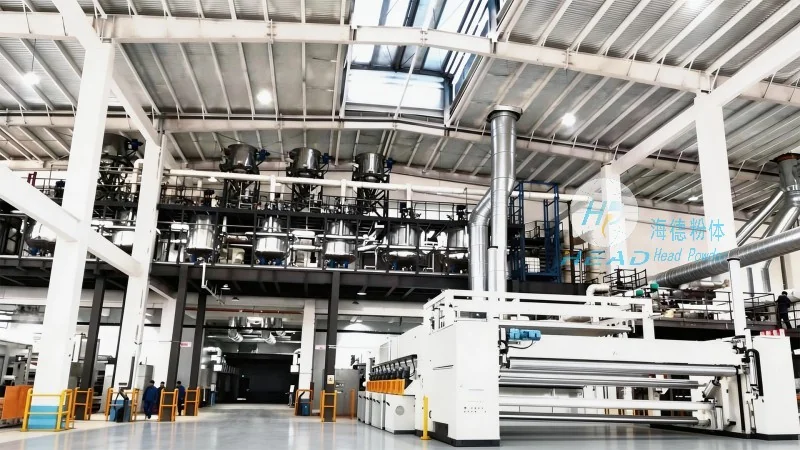
About Shandong HeadPowder Engineering Co., Ltd.
Shandong HeadPowder Engineering Co., Ltd., commonly known as HeadPowder, is a leading engineering firm specializing in the design, manufacturing, and installation of advanced material handling systems. With a strong commitment to innovation and quality, HeadPowder serves clients across various sectors, including chemical, food, and pharmaceutical industries. HeadPowder's expertise lies in developing customized pneumatic conveying solutions that meet the unique demands of each project, ensuring optimal performance and long-term reliability.
Pneumatic Conveying Systems: An Overview
Pneumatic conveying systems utilize air or other gases to transport bulk materials through a network of pipes. This method is particularly suitable for materials like phosphoric hydrogen calcium, which may be dusty, abrasive, or require a controlled environment. The system typically consists of a feeding device, a conveying line, a separation unit, and a discharge mechanism. The feeding device introduces the material into the system, while the conveying line transports it to the desired location. The separation unit, often a cyclone or a filter, separates the material from the air stream, and the discharge mechanism collects the material for further processing.
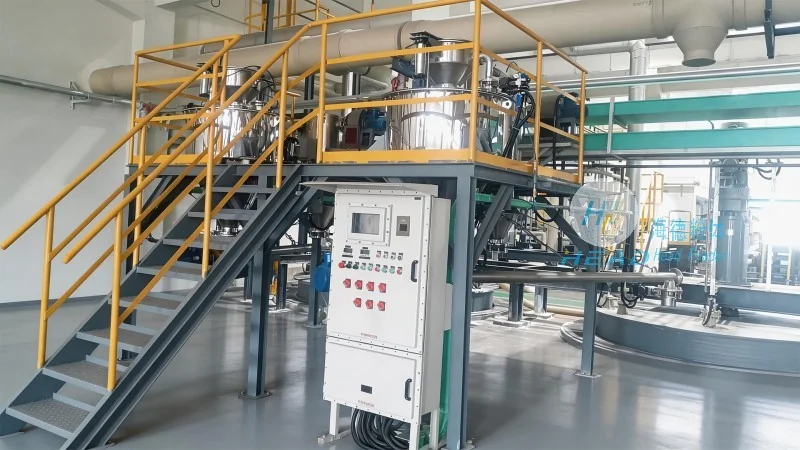
Working Principle of Pneumatic Conveying for Phosphoric Hydrogen Calcium
The working principle of pneumatic conveying for phosphoric hydrogen calcium involves creating a pressure differential between the inlet and outlet of the conveying line. A fan or blower generates the necessary airflow, which is directed through the system. As the material is introduced into the system, it is entrained by the air stream and carried along the pipes. The speed and pressure of the air determine the conveying capacity and distance. For phosphoric hydrogen calcium, which is often in a powder or granular form, the system must be designed to handle the specific characteristics of the material, such as particle size, moisture content, and flowability. HeadPowder's engineers carefully consider these factors to design systems that ensure efficient and safe transportation.
Advantages of Pneumatic Conveying for Phosphoric Hydrogen Calcium
Implementing pneumatic conveying systems for phosphoric hydrogen calcium offers several advantages. Firstly, it provides a dust-free and enclosed environment, reducing the risk of contamination and improving workplace safety. Secondly, the system is highly flexible, allowing for changes in material flow direction and capacity without major modifications. Thirdly, it minimizes material degradation by preventing contact with external elements and reducing handling time. Additionally, pneumatic conveying systems can be integrated with other processing equipment, enhancing overall operational efficiency. HeadPowder's solutions are tailored to maximize these benefits, ensuring that clients achieve optimal performance and cost savings.
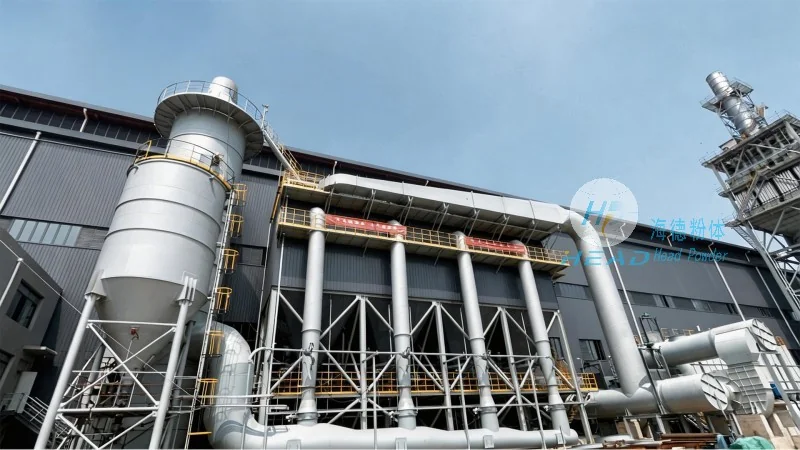
Customization and Application in Industrial Settings
HeadPowder recognizes that each industrial application has unique requirements. Therefore, the company offers customized pneumatic conveying solutions for phosphoric hydrogen calcium handling. Whether it's for a small-scale laboratory setup or a large-scale production facility, HeadPowder's engineers work closely with clients to understand their specific needs and design a system that meets all operational and safety standards. The company's expertise in material handling ensures that the systems are not only efficient but also compliant with industry regulations. By leveraging advanced technology and years of experience, HeadPowder delivers reliable and durable pneumatic conveying systems that enhance the productivity and safety of industrial operations.
Conclusion
Pneumatic conveying systems represent a sophisticated and effective method for transporting phosphoric hydrogen calcium. With its ability to handle bulk materials in a controlled and safe manner, this technology is increasingly adopted in various industries. Shandong HeadPowder Engineering Co., Ltd. stands as a trusted partner in providing customized pneumatic conveying solutions, leveraging its expertise to meet the evolving needs of the market. By focusing on innovation, quality, and client satisfaction, HeadPowder continues to be a leader in the material handling industry, ensuring that clients achieve their operational goals with reliable and efficient systems.