

Introduction to Potassium Hydroxide Pneumatic Conveying and the Working Principle of Pneumatic Conve
Shandong HeadPowder Engineering Co., Ltd. specializes in the design, manufacturing, and implementation of advanced pneumatic conveying systems, particularly for handling potassium hydroxide (KOH), a critical chemical widely used in various industrial applications. This article provides an overview of the technology behind pneumatic conveying for KOH, explaining how these systems efficiently transport the material from one location to another while maintaining product integrity and operational efficiency.
The Working Principle of Pneumatic Conveying Systems
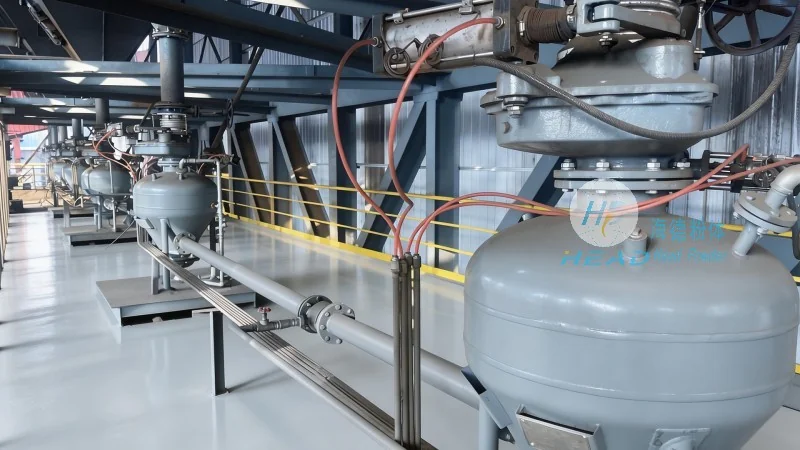
Pneumatic conveying systems operate by using a gas stream, typically air or other gases, to transport solid materials like potassium hydroxide through a pipeline. The process involves several key components and mechanisms that work in tandem to ensure smooth and reliable material transport. The primary working principle revolves around creating a pressure differential or utilizing the velocity of the gas to move the solid particles.
Key Components of a Pneumatic Conveying System
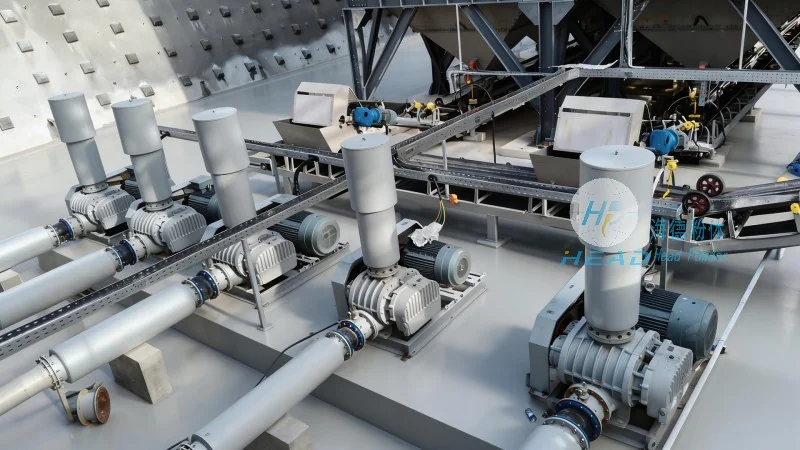
At the core of any pneumatic conveying system are several essential components that facilitate the movement of potassium hydroxide. These include the material feed hopper, which holds the bulk of the KOH and allows for controlled discharge into the system; the air compressor or blower, which generates the necessary air pressure or flow rate; the conveying line, which is the pipeline through which the material and air travel; and the receiving hopper or silo, where the material is deposited at the destination. Additionally, components such as rotary valves, airlocks, and filters may be integrated to enhance system performance and ensure proper material handling.
Types of Pneumatic Conveying Systems
There are two main categories of pneumatic conveying systems: dilute phase and dense phase. Dilute phase systems operate at relatively low pressure and high gas velocity, suitable for short to medium distances and low to medium material loads. In contrast, dense phase systems use higher pressure and lower gas velocity, making them ideal for longer distances, high material loads, and applications where product degradation or contamination must be minimized. For potassium hydroxide, the choice between these systems depends on factors such as the distance between the source and destination, the required flow rate, and the need to maintain the material's quality.
Advantages of Pneumatic Conveying for Potassium Hydroxide
Implementing a pneumatic conveying system for potassium hydroxide offers numerous advantages over traditional methods like belt conveyors or bucket elevators. One of the most significant benefits is the ability to transport the material in a closed system, which helps prevent dust emissions and contamination from external sources. This is particularly important for KOH, as it is a hygroscopic and caustic chemical that can be harmful if exposed to the environment. Additionally, pneumatic conveying systems are more flexible in terms of layout, allowing for vertical, horizontal, or inclined transport without the need for complex structural modifications. They also offer better control over the material flow rate and can handle varying material characteristics, such as different particle sizes or moisture content.
Considerations for Designing a KOH Pneumatic Conveying System
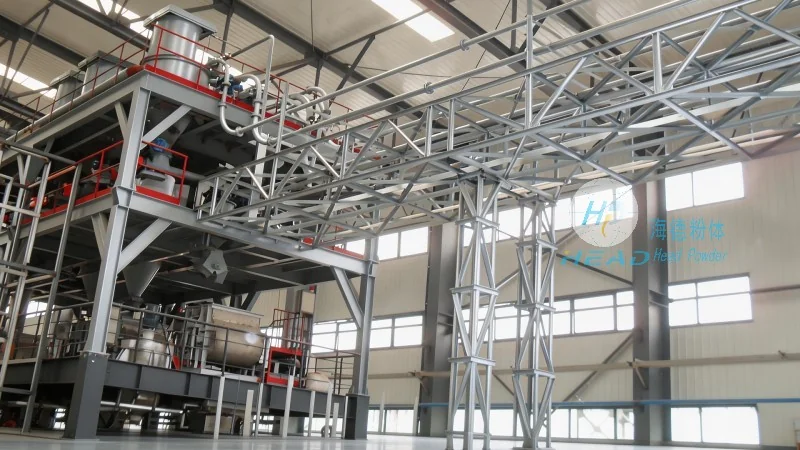
When designing a pneumatic conveying system for potassium hydroxide, several factors must be carefully considered to ensure optimal performance and longevity. First, the system must be constructed from materials that are compatible with KOH, as the chemical can be corrosive to certain metals. Stainless steel or specialized alloys are commonly used for components that come into direct contact with the material. Second, the system's capacity and flow rate must be matched to the production requirements, ensuring that it can handle the desired volume of KOH without causing excessive pressure drops or material buildup. Third, the system should incorporate proper filtration and cleaning mechanisms to prevent clogging and maintain consistent performance. Finally, safety considerations are paramount, as KOH is a hazardous material, and the system must be equipped with appropriate safety features, such as pressure relief valves and emergency shutdown procedures.
Conclusion
Shandong HeadPowder Engineering Co., Ltd. provides comprehensive solutions for pneumatic conveying systems tailored to the needs of potassium hydroxide handling. By understanding the working principles and key components of these systems, industries can effectively transport KOH while maintaining product quality, operational efficiency, and safety standards. The company's expertise in designing and implementing such systems ensures that clients receive reliable and durable solutions that meet their specific requirements.