

Introduction to the Pneumatic Conveying of Lime Powder and Explanation of the Working Principle of P
For industrial applications involving the handling of bulk materials like lime powder, efficient and reliable material transport is crucial. Pneumatic conveying systems have emerged as a preferred solution due to their ability to handle fine powders such as lime powder with minimal dust generation and high operational flexibility. This article provides an overview of the pneumatic conveying of lime powder, detailing the working principles and key considerations for effective material transport.
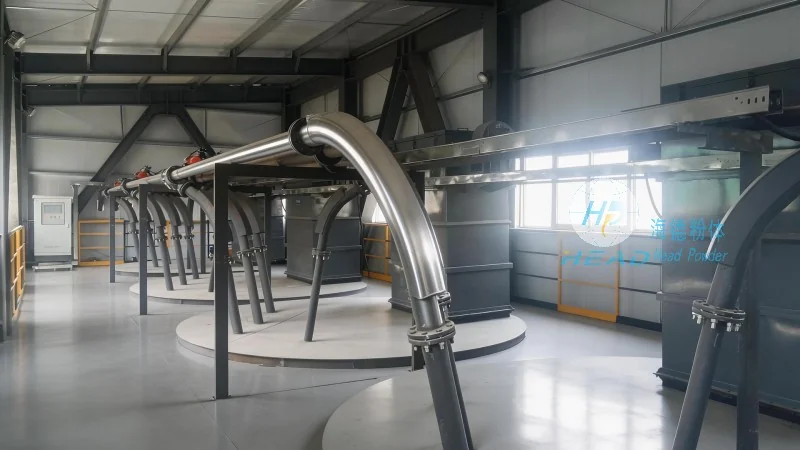
Pneumatic Conveying Systems: An Overview
Pneumatic conveying systems utilize air or gas to transport bulk materials through a pipeline network. The process involves creating a pressure differential between the inlet and outlet of the system, which propels the material along the pipeline. These systems are widely used in various industries, including chemical, food, and construction, for their ability to handle fine powders like lime powder without the need for mechanical components that may cause material degradation or contamination.
The Working Principle of Pneumatic Conveying for Lime Powder
The pneumatic conveying of lime powder typically operates on one of two fundamental principles: pressure or vacuum. In pressure systems, air is compressed and introduced at the material inlet, pushing the powder through the pipeline. Conversely, vacuum systems create a negative pressure at the material outlet, drawing the powder into the pipeline. For lime powder, which is a fine, dry material, pressure systems are often preferred as they offer better control over material flow and reduce the risk of clogging. The system consists of several key components, including a material hopper, a feeder, a conveying line, and a receiver. The material hopper stores the lime powder, while the feeder controls the flow rate of the material into the conveying line. The conveying line transports the powder and air mixture to the receiver, where the material is separated from the air and collected.
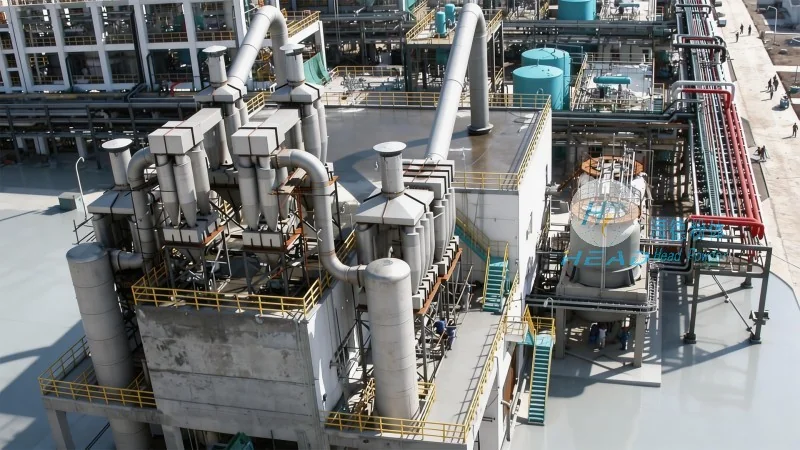
Key Factors Influencing Pneumatic Conveying Efficiency
Several factors impact the efficiency of pneumatic conveying systems when handling lime powder. Particle size and density are critical, as finer particles require higher air velocities to maintain suspension. The air-to-material ratio, which is the ratio of air volume to material volume, must be optimized to ensure smooth transport without excessive energy consumption. Additionally, the pipeline design, including diameter and length, affects the system's performance. Properly sized pipelines minimize pressure drop and prevent material buildup or clogging. For lime powder, which is hygroscopic (prone to moisture absorption), maintaining consistent moisture levels is essential to prevent clumping and ensure reliable conveying.
Applications of Pneumatic Conveying in Lime Powder Handling
Pneumatic conveying systems are widely used in the processing and distribution of lime powder for various industrial applications. In the chemical industry, lime powder is used as a raw material in the production of calcium-based products, and pneumatic conveying ensures safe and efficient transport from storage to processing units. In the construction industry, lime powder is used as a component in cement and mortar, and the system facilitates its transport from storage facilities to construction sites. The ability to handle fine powders without generating dust makes pneumatic conveying ideal for applications where material purity and worker safety are paramount.
Advantages of Pneumatic Conveying for Lime Powder
Compared to traditional mechanical conveying methods, pneumatic conveying offers several advantages when handling lime powder. One of the primary benefits is the reduction in dust generation, which improves workplace safety and reduces the risk of material contamination. The system also allows for flexible material transport, as pipelines can be easily reconfigured to accommodate changes in production needs. Additionally, pneumatic conveying systems are less prone to material degradation, as there are no mechanical components that can cause abrasion or friction. The energy efficiency of the system, particularly when optimized for air-to-material ratios, makes it a cost-effective solution for long-distance material transport.
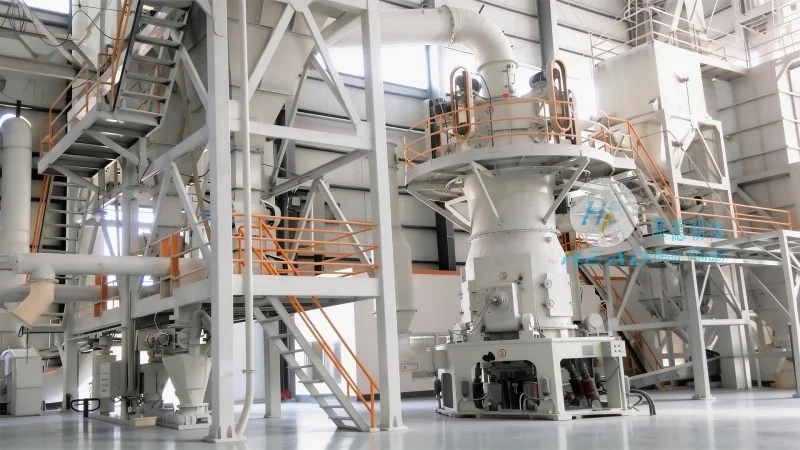
Considerations for Implementing Pneumatic Conveying Systems
When implementing a pneumatic conveying system for lime powder, several considerations must be addressed to ensure optimal performance. Material properties, such as particle size distribution and moisture content, must be thoroughly understood to select the appropriate system design. The system must be designed to handle the specific characteristics of lime powder, including its flowability and potential for caking. Regular maintenance is essential to prevent system downtime and ensure consistent performance. Additionally, the system should be equipped with proper filtration and dust collection to comply with environmental regulations and maintain air quality.
Conclusion
Pneumatic conveying systems provide an effective and efficient solution for the transport of lime powder in industrial applications. By understanding the working principles and key factors influencing system performance, industries can optimize their material handling processes to improve productivity and reduce operational costs. With proper design and maintenance, pneumatic conveying systems ensure reliable and safe transport of lime powder, supporting the needs of various industries.