

Introduction to Metallurgical Coal Powder Pneumatic Conveying and the Working Principle of Pneumatic
Pneumatic conveying systems are critical in the handling and transportation of fine materials like metallurgical coal powder. These systems utilize air or other gases to transport bulk materials through a pipeline network, offering efficient and flexible solutions for industrial applications. The process involves creating a pressure differential to move the coal powder from a source to a destination, ensuring minimal product degradation and reduced maintenance compared to traditional mechanical methods.
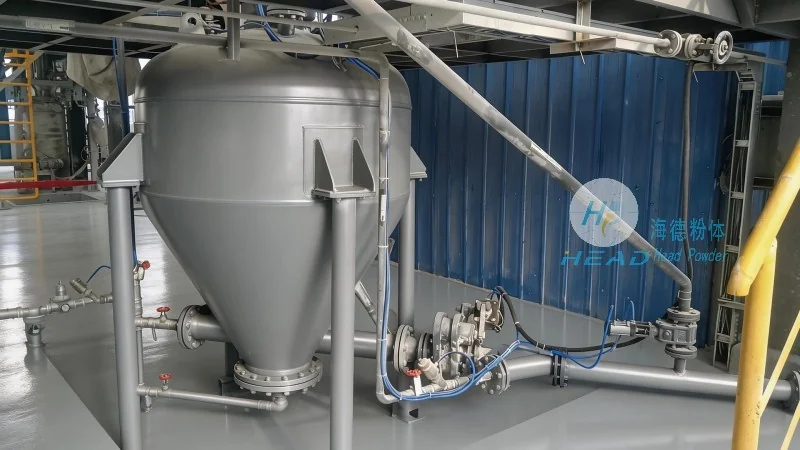
Working Principle of Pneumatic Conveying Systems
The core of a pneumatic conveying system lies in its ability to generate and control airflow. Typically, these systems operate by either suction (negative pressure) or pressure (positive pressure) methods. In suction systems, a vacuum is created at the receiving end, drawing the coal powder into the pipeline. Conversely, pressure systems use compressed air to push the material forward. The system includes key components such as a hopper for material storage, a conveyor line, a control valve, and a dust collector to manage air and particulate emissions. The design of the system must consider factors like material properties, flow rates, and system pressure to ensure optimal performance and safety.
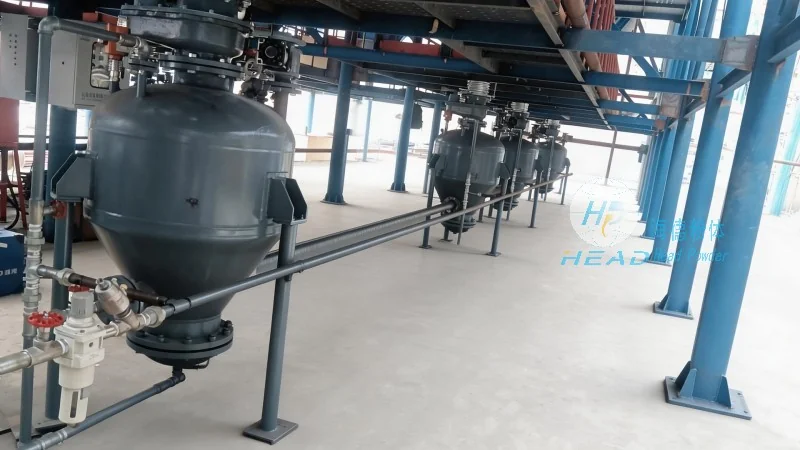
About Shandong HeadPowder Engineering Co., Ltd.
HeadPowder, the professional provider of pneumatic conveying solutions, specializes in designing and manufacturing systems tailored for metallurgical coal powder applications. With a focus on innovation and reliability, the company has established itself as a trusted partner in the industry. HeadPowder's expertise lies in understanding the unique challenges of handling fine, abrasive materials, and developing customized solutions that meet the specific needs of clients. The company's facilities in Shandong, China, are equipped with advanced technology and skilled personnel to ensure high-quality production and timely delivery.
Key Features and Benefits of Metallurgical Coal Powder Pneumatic Conveying
Implementing a pneumatic conveying system for metallurgical coal powder offers several advantages. Firstly, it provides a dust-free and enclosed environment, enhancing workplace safety and compliance with environmental regulations. Secondly, the system minimizes product contamination and degradation, preserving the quality of the coal powder for downstream processes. Additionally, pneumatic conveyors offer high throughput rates and flexible routing, allowing for efficient material movement across different operational areas. The technology also reduces labor costs by automating the material handling process and minimizing the need for manual intervention. Furthermore, the system's compact design and low maintenance requirements contribute to long-term operational efficiency and cost savings.
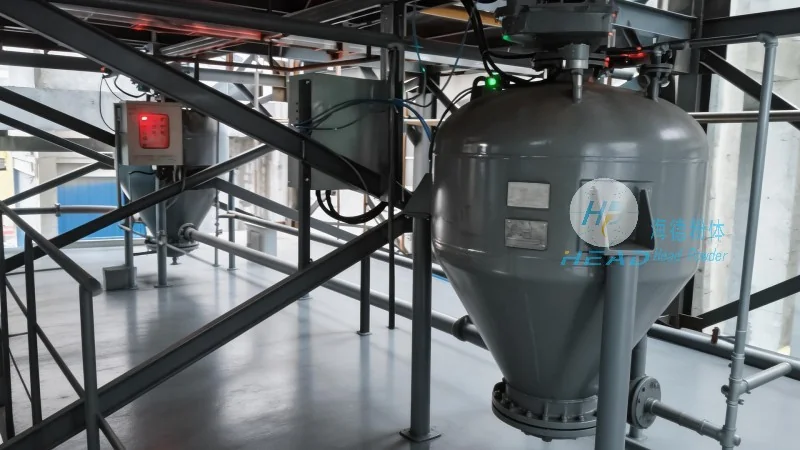
Applications in Metallurgical Industry
Pneumatic conveying systems are widely used in the metallurgical industry for various processes, including raw material transport, intermediate product handling, and waste management. In steel production, for example, coal powder is often used as a fuel in blast furnaces or as a reductant in direct reduction processes. The ability to reliably and safely transport these fine powders is crucial for maintaining consistent production rates and product quality. HeadPowder's systems are designed to handle the specific demands of these applications, ensuring stable and efficient material flow. Whether for bulk handling or precise dosing, the company's solutions support the operational needs of metallurgical facilities worldwide.