

Introduction to Glass Particle Pneumatic Conveying and the Working Principle of Pneumatic Conveying
HeadPowder, a leading engineering company based in Shandong, China, specializes in the design, manufacturing, and installation of advanced pneumatic conveying systems. This article provides an overview of glass particle pneumatic conveying, detailing the fundamental principles and operational mechanisms of such systems.
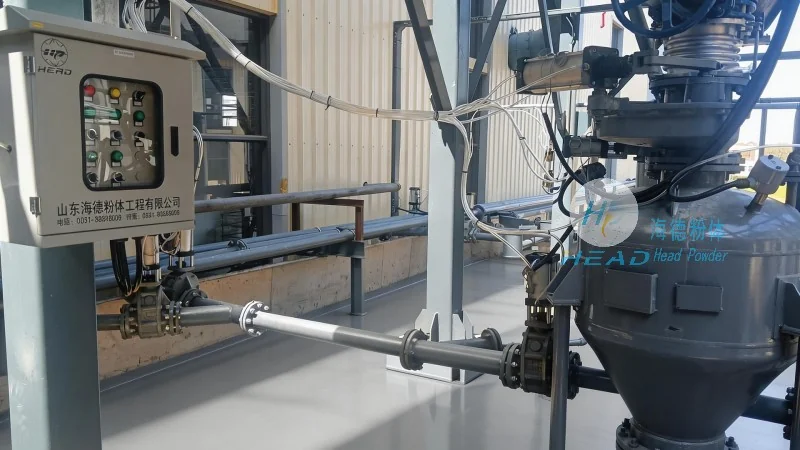
Understanding Pneumatic Conveying Systems for Glass Particles
Pneumatic conveying systems are widely used in the industrial sector for transporting bulk materials, including glass particles, through the use of air or other gases. The process involves the creation of a pressure differential that propels the material through a pipeline. In the case of glass particles, the system must be engineered to handle the specific characteristics of the material, such as its density, size distribution, and abrasiveness. HeadPowder's expertise lies in tailoring these systems to meet the unique requirements of glass processing applications, ensuring efficient and reliable material transport.
The Working Principle of Pneumatic Conveying for Glass Particles
The core of a pneumatic conveying system is the ability to generate a flow of air that can carry the glass particles. This is typically achieved through one of two primary methods: pressure or vacuum. In pressure systems, air is compressed and introduced into the material hopper, creating a positive pressure that pushes the particles through the pipeline. Vacuum systems, on the other hand, use a vacuum pump to create a negative pressure that draws the material from the source into the pipeline. For glass particles, the choice between pressure and vacuum depends on factors like the distance to be covered, the material's flow characteristics, and the system's overall efficiency. HeadPowder's engineers carefully evaluate these factors to select the most suitable method for each application.
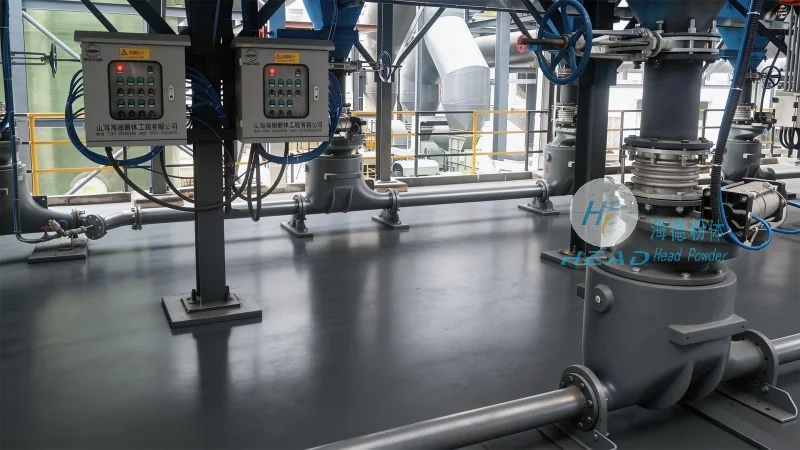
Key Components of a Glass Particle Pneumatic Conveying System
A pneumatic conveying system for glass particles consists of several critical components that work in tandem to ensure smooth operation. These include the material hopper, which stores the glass particles and feeds them into the system; the conveyor line, which is the main pipeline through which the material travels; the air supply system, which provides the necessary air or gas; and the control system, which regulates the flow and pressure to maintain optimal performance. Additionally, components like filters, cyclones, and silos may be included to manage dust, separate the material from the air, and store the conveyed glass particles. HeadPowder integrates these components into customized systems that are designed to handle the specific challenges of glass particle transport, such as minimizing wear and preventing contamination.
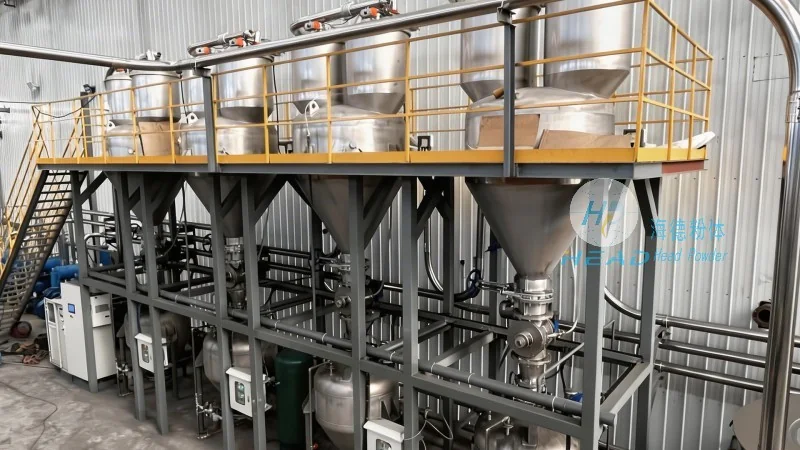
Advantages of Using Pneumatic Conveying for Glass Particles
Implementing a pneumatic conveying system for glass particles offers several advantages over traditional methods like belt conveyors or bucket elevators. One of the primary benefits is the ability to transport materials in a closed system, which helps to contain dust and prevent contamination, a critical concern in glass processing where quality and purity are paramount. Additionally, pneumatic systems can handle materials with a wide range of particle sizes and shapes, making them versatile for various glass production processes. The systems also offer flexibility in layout, as they can be installed in a variety of configurations to suit the space constraints of a facility. Furthermore, pneumatic conveying can reduce labor costs and improve safety by eliminating the need for manual handling of bulk materials. HeadPowder's systems are designed to maximize these advantages, providing efficient, reliable, and cost-effective solutions for glass particle transport.
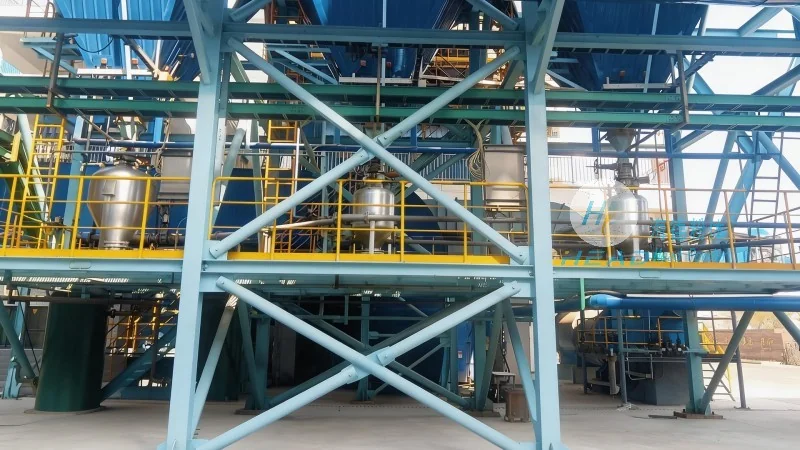
Applications of Glass Particle Pneumatic Conveying
Glass particle pneumatic conveying systems are utilized in a variety of industrial applications within the glass manufacturing industry. These include transporting raw materials such as sand, soda ash, and limestone from storage to processing equipment; conveying finished glass products from production lines to packaging or storage areas; and moving glass scrap or waste materials for recycling. The systems are also used in the production of specialty glass products, such as fiberglass or optical glass, where precise control over material flow is essential. HeadPowder's systems have been successfully implemented in these and other applications, demonstrating their effectiveness in improving operational efficiency and product quality.
Conclusion
HeadPowder, with its headquarters in Shandong, China, is a trusted provider of pneumatic conveying systems for glass particles. By understanding the unique characteristics of glass materials and applying advanced engineering principles, the company designs and manufactures systems that deliver reliable, efficient, and cost-effective material transport solutions. Whether for new installations or system upgrades, HeadPowder's expertise ensures that clients receive tailored solutions that meet their specific needs and enhance their overall operational performance.