

Introduction to Denitrator Powder Pneumatic Conveying and the Working Principle of Pneumatic Conveyi
HeadPowder, a leading provider in the field of industrial material handling, specializes in advanced pneumatic conveying solutions. With a strong presence in Shandong, China, the company has established itself as a trusted partner for businesses requiring efficient and reliable transportation of denitrator powders and other fine materials.
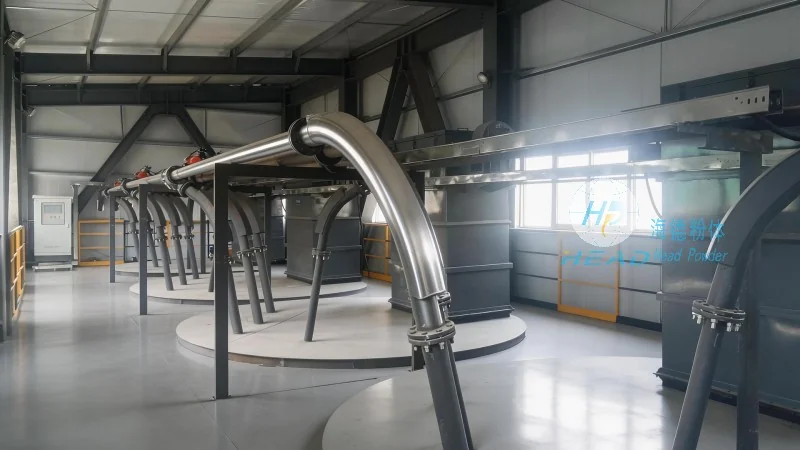
Understanding Pneumatic Conveying Systems
Pneumatic conveying systems are essential for transporting bulk materials like denitrator powders from one location to another within industrial facilities. These systems utilize compressed air or gas to move materials through a network of pipes, ensuring a clean, dust-free, and efficient transfer process. The core components of a typical pneumatic conveying system include a material feed hopper, a conveyor line, and a receiver or discharge point. The process begins when the denitrator powder is fed into the system, where it is then entrained by the moving air stream and transported through the pipes to the desired destination.
Benefits of Pneumatic Conveying for Denitrator Powders
For denitrator powders, which are critical components in flue gas treatment systems, pneumatic conveying offers several advantages. Firstly, it provides a dust-free environment, minimizing the risk of contamination and ensuring product purity. Secondly, the system is highly efficient, allowing for continuous operation with minimal downtime. Additionally, it reduces labor costs by automating the material handling process, which is particularly beneficial for large-scale industrial applications. The ability to handle fine powders without clogging or degradation is another key benefit, as denitrator powders are often sensitive to moisture and air exposure.
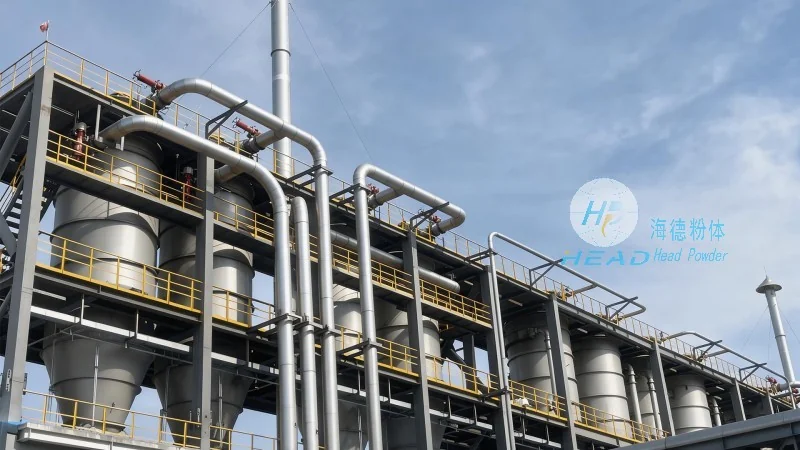
Working Principles of Pneumatic Conveying Systems
There are two primary types of pneumatic conveying systems: positive pressure and negative pressure. Positive pressure systems use compressed air to push the material through the pipes, while negative pressure systems use a vacuum to draw the material into the system. For denitrator powders, positive pressure systems are often preferred due to their ability to handle abrasive materials and their lower risk of product degradation. The system operates by creating a pressure differential between the feed and discharge points, ensuring that the material is continuously moved through the conveyor line. The speed and pressure of the air stream are carefully controlled to maintain optimal material flow and prevent blockages.
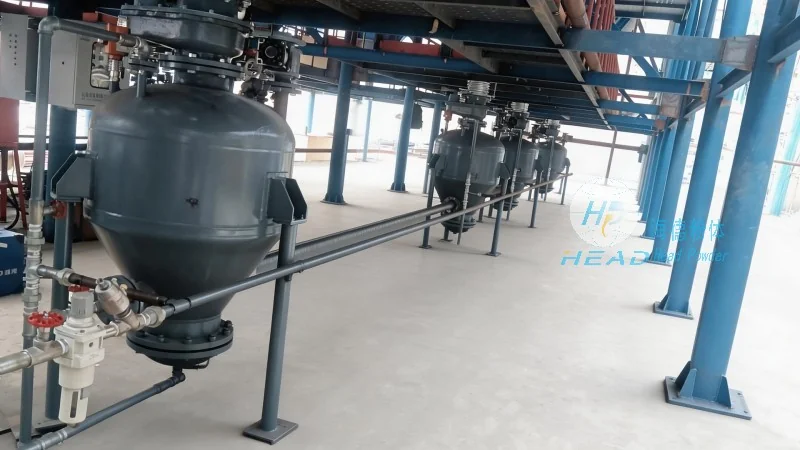
HeadPowder's Pneumatic Conveying Solutions
HeadPowder Engineering Co., Ltd. offers customized pneumatic conveying solutions tailored to the specific needs of each client. The company's experts work closely with customers to design systems that meet their operational requirements, including material characteristics, plant layout, and production capacity. The solutions are designed to be durable, energy-efficient, and easy to maintain, ensuring long-term reliability and cost-effectiveness. With a focus on quality and innovation, HeadPowder provides comprehensive support, from system design and installation to ongoing maintenance and technical assistance.
Conclusion
As the demand for efficient and reliable material handling solutions continues to grow, pneumatic conveying systems have become an indispensable part of modern industrial operations. For denitrator powders, which are vital for reducing nitrogen oxide emissions in power plants and other industrial facilities, the use of advanced pneumatic conveying technology is essential. HeadPowder Engineering Co., Ltd., with its expertise and commitment to excellence, is positioned to provide the industry with the best possible solutions for their material handling needs. By leveraging the latest technology and adhering to strict quality standards, the company ensures that its customers receive the highest level of service and performance.