

Industrial Alkali Pneumatic Conveying Introduction: Principles of Pneumatic Conveying Systems
Industrial alkali pneumatic conveying systems are essential in various industrial applications, particularly in the handling and transportation of alkaline materials. These systems utilize the principles of pneumatic transport to efficiently move bulk materials like caustic soda or other alkali compounds from one location to another within a facility or between different processing stages. The technology offers a reliable and often cost-effective solution for material handling, especially in environments where traditional mechanical conveying methods may face challenges such as material abrasiveness, dust generation, or the need for enclosed transport to maintain safety and environmental standards.
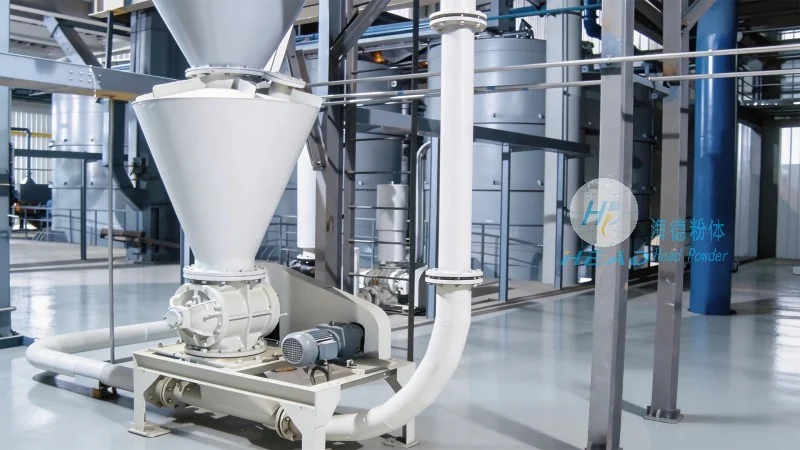
Overview of Industrial Alkali Pneumatic Conveying Systems
Industrial alkali pneumatic conveying systems are designed to handle caustic or alkaline materials, which can be highly reactive and require specialized handling equipment. The system typically consists of a series of components, including a material feed hopper, a conveying line (often equipped with air ducts or pipelines), a dust collector or filtration system, and a discharge mechanism. The core of the system is the air flow that propels the material particles through the conveying line, ensuring that the material is transported safely and efficiently without direct contact with mechanical parts that could cause wear or contamination.
Key Components and Their Functions
The primary components of an industrial alkali pneumatic conveying system include:
1. Material Feed Hopper: This component is responsible for storing and feeding the alkali material into the system. It is usually equipped with a hopper design that allows for controlled discharge of the material, preventing blockages and ensuring a steady flow into the conveying line.
2. Air Supply System: A powerful air compressor or blower provides the necessary airflow to generate the pressure or vacuum required for material transport. The air supply system is critical as it determines the conveying capacity and the distance over which the material can be transported.
3. Conveying Line: The pipeline or duct through which the material and air travel. This line may be made of materials resistant to corrosion, such as stainless steel or special coatings, to withstand the chemical properties of the alkali material and prevent degradation over time.
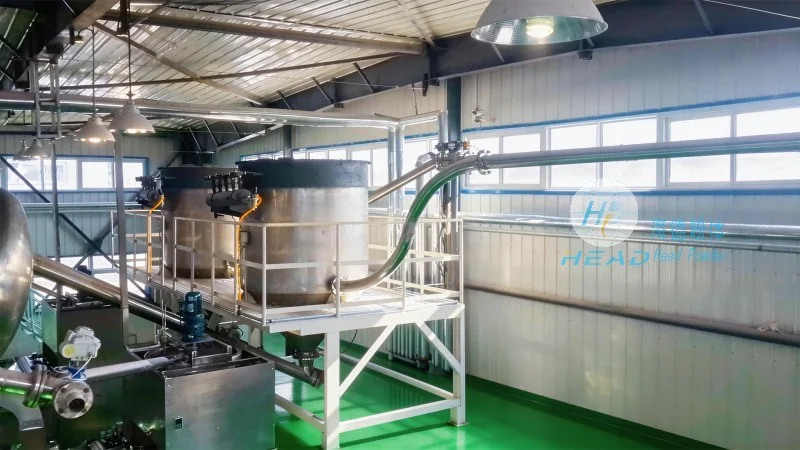
4. Dust Collector and Filtration: Since alkali materials can generate dust during handling, a dust collection system is essential to capture and filter the particles, ensuring that the air is clean and that the material is not lost or dispersed into the environment. This component also helps maintain safety by reducing the risk of dust explosions.
5. Discharge and Control Equipment: At the receiving end of the system, the material is discharged into a collection bin or processing unit. Control valves and sensors are used to regulate the flow and ensure that the material is delivered at the correct rate and location.
Working Principle of Pneumatic Conveying Systems
The fundamental principle behind pneumatic conveying is the use of air to move material particles. There are two main types of pneumatic conveying systems: pressure and vacuum. In pressure systems, the air is compressed and forced through the conveying line, carrying the material particles along with it. The pressure is maintained throughout the system, and the material is discharged at the end of the line. In vacuum systems, a vacuum is created at the receiving end, and the material is drawn into the line by the air flow. Both systems rely on the interaction between the air and the material particles to achieve efficient transport.
For industrial alkali applications, pressure systems are often preferred due to their ability to handle higher material loads and longer distances. The air flow in the system creates a drag force on the material particles, lifting them from the feed hopper and moving them through the pipeline. The velocity of the air is carefully controlled to ensure that the material particles are carried without excessive wear or degradation. The system also incorporates features to prevent material buildup or blockages, such as air knives or pulse jets that clear any material that may accumulate in the line.
Advantages of Industrial Alkali Pneumatic Conveying
Industrial alkali pneumatic conveying systems offer several advantages over traditional mechanical conveying methods. These include:
1. Enclosed Transport: The material is transported within a sealed system, preventing dust and fumes from escaping into the environment, which is crucial for maintaining safety and compliance with environmental regulations.
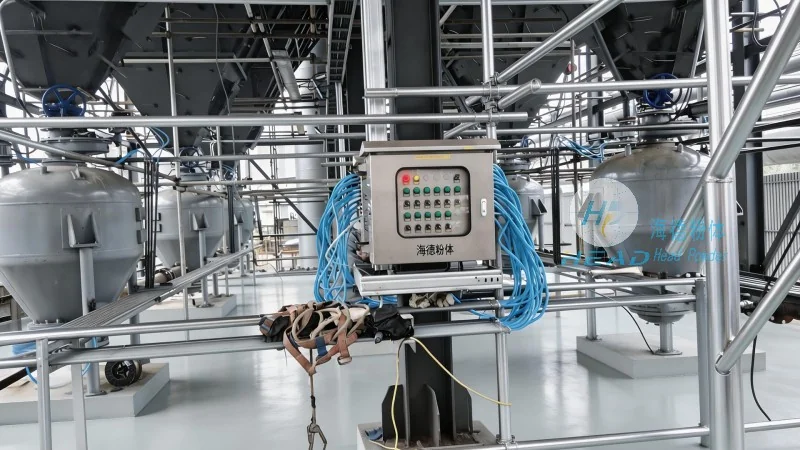
2. Reduced Labor and Maintenance: Unlike mechanical systems that require regular maintenance and labor for adjustments, pneumatic systems are generally more automated and require less frequent maintenance, reducing operational costs.
3. Flexibility in Layout: Pneumatic systems can be easily reconfigured or expanded to accommodate changes in production processes or facility layout, providing flexibility in industrial settings.
4. Improved Material Handling: The system can handle materials that are difficult to convey mechanically, such as fine powders or highly abrasive alkali compounds, without causing damage to the material or the equipment.
Applications in Industrial Settings
Industrial alkali pneumatic conveying systems are widely used in various industries, including chemical manufacturing, food processing, and pharmaceuticals. In chemical plants, these systems are used to transport caustic soda or other alkali chemicals between reactors, storage tanks, and processing units. In food processing, they may be used to handle alkaline cleaning agents or ingredients that require careful handling. The versatility of the system makes it suitable for a wide range of applications where efficient and safe material transport is essential.
About Shandong HeadPowder Engineering Co., Ltd.
Shandong HeadPowder Engineering Co., Ltd., commonly known as HeadPowder, is a leading provider of industrial material handling solutions. With its headquarters in Shandong, China, the company specializes in designing, manufacturing, and installing pneumatic conveying systems tailored to the specific needs of industrial clients. HeadPowder's expertise lies in understanding the unique challenges of handling alkali and other corrosive materials, and developing systems that ensure efficiency, safety, and durability. The company's commitment to quality and customer satisfaction has made it a trusted partner for businesses seeking reliable material handling solutions in the chemical and related industries.