

Introduction to Dolomite Pneumatic Conveying and the Working Principle of Pneumatic Conveying System
HeadPowder, formally known as Shandong HeadPowder Engineering Co., Ltd., is a professional engineering company headquartered in Shandong, China. With a focus on advanced material handling solutions, the company specializes in the design, manufacturing, and installation of pneumatic conveying systems tailored for various industrial applications. HeadPowder's expertise lies in optimizing material transport processes, ensuring efficiency, reliability, and safety in handling bulk materials like dolomite.
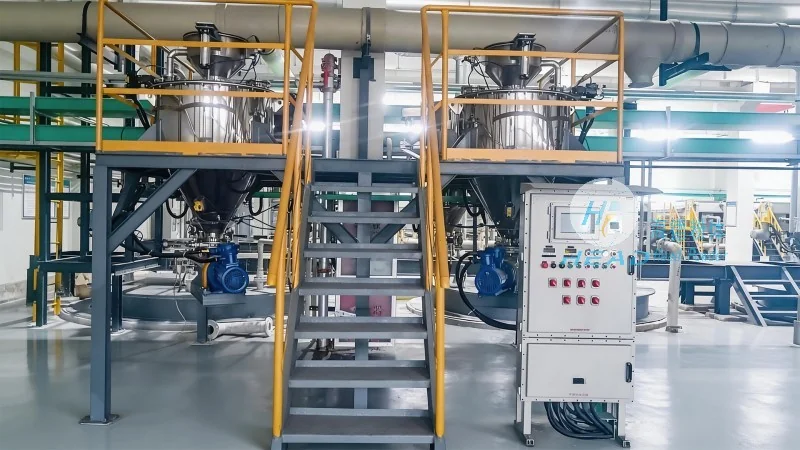
Understanding Dolomite Pneumatic Conveying
Dolomite, a calcium-magnesium carbonate mineral, is widely used in industries such as construction, chemical manufacturing, and environmental applications. Traditional material handling methods for dolomite often involve complex and labor-intensive processes, including manual handling, belt conveyors, or bucket elevators. However, pneumatic conveying offers a more efficient and flexible solution for transporting dolomite, especially in applications requiring long-distance or high-volume material transport. The process involves using air or gas to move the material through a pipeline system, eliminating the need for mechanical components that may cause wear and tear or material contamination.
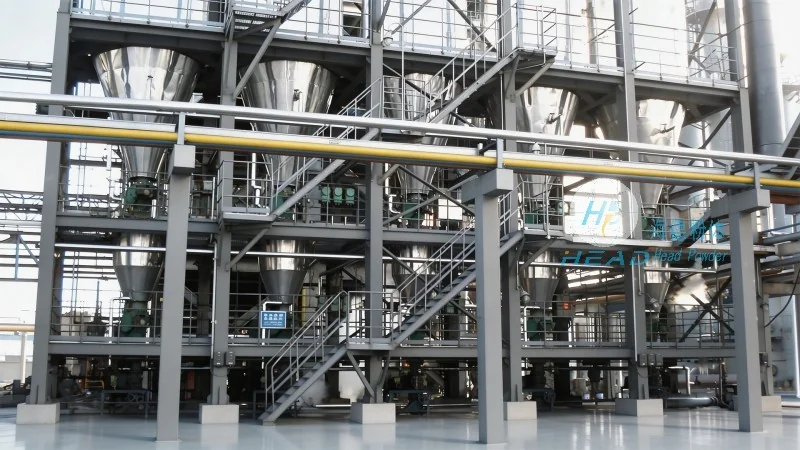
The Working Principle of Pneumatic Conveying Systems
Pneumatic conveying systems operate on the principle of transporting bulk materials using a pressurized or vacuum air stream. In a typical dolomite pneumatic conveying system, the process begins with the material being fed into a hopper or feeder. The feeder then meters the dolomite into the conveying line, where it is mixed with the air stream. The air velocity is carefully controlled to ensure the material is suspended and transported through the pipeline. The system may use either positive pressure (where air is forced into the system) or negative pressure (where air is drawn out), depending on the application requirements. The key components of a pneumatic conveying system for dolomite include the feeder, conveying line, air compressor or vacuum pump, and discharge equipment. Each component plays a critical role in maintaining the system's efficiency and ensuring the smooth transport of dolomite.
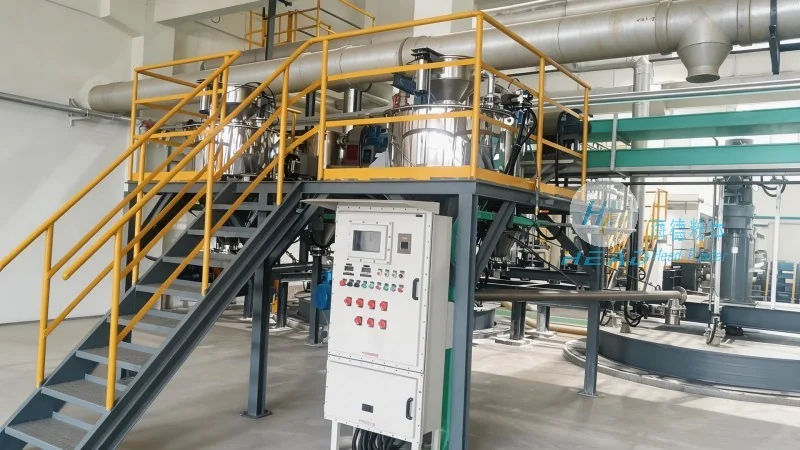
Key Benefits of Dolomite Pneumatic Conveying
Implementing a pneumatic conveying system for dolomite offers several advantages over traditional material handling methods. Firstly, it significantly reduces labor costs by automating the material transport process, minimizing the need for manual handling. Secondly, the system enhances safety by eliminating the risk of material spillage or dust exposure, which is common in traditional methods. Thirdly, pneumatic conveying systems provide better control over material flow, allowing for precise dosing and consistent product quality. Additionally, the system is more compact and flexible, as it can be easily reconfigured to accommodate changes in production requirements or facility layout. These benefits make dolomite pneumatic conveying an attractive option for industries seeking to improve operational efficiency and reduce maintenance costs.
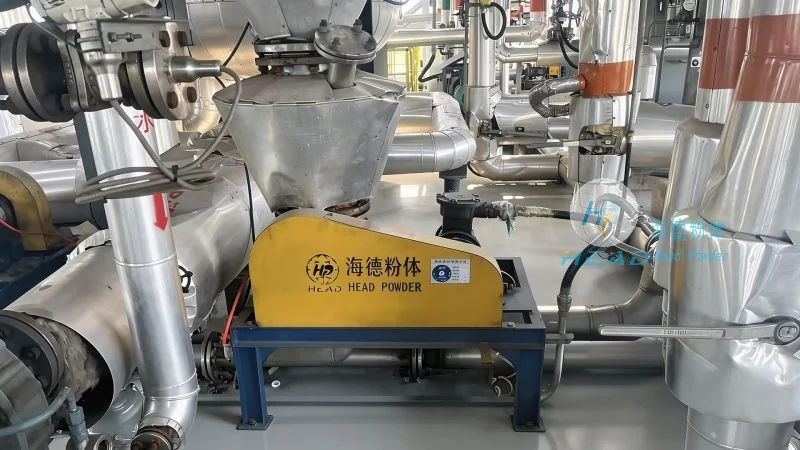
Applications and Considerations
Dolomite pneumatic conveying systems are widely used in various industrial applications, including the production of cement, lime, and other chemical products. The system's ability to handle abrasive materials like dolomite makes it suitable for long-term operation with minimal maintenance. However, several factors must be considered when designing a pneumatic conveying system for dolomite. The first is the material's particle size and density, as these characteristics affect the air velocity required for efficient transport. The second is the system's pressure and flow rate, which must be optimized to prevent material blockages or excessive energy consumption. Additionally, the system's design must account for the material's moisture content and potential dust generation, as these factors can impact the system's performance and require additional filtration or drying equipment. By carefully considering these factors, companies can ensure the successful implementation of a dolomite pneumatic conveying system that meets their specific operational needs.