

Resin Pneumatic Conveying Equipment: An Introduction to the Structure and Working Principle of Powde
Resin pneumatic conveying equipment is a specialized system designed for the efficient transport of resin powders and other fine particulate materials. As a key component in powder handling technology, this equipment plays a crucial role in various industrial applications, including manufacturing, chemical processing, and material handling. Understanding its structure and working principle is essential for optimizing material flow and ensuring operational efficiency.
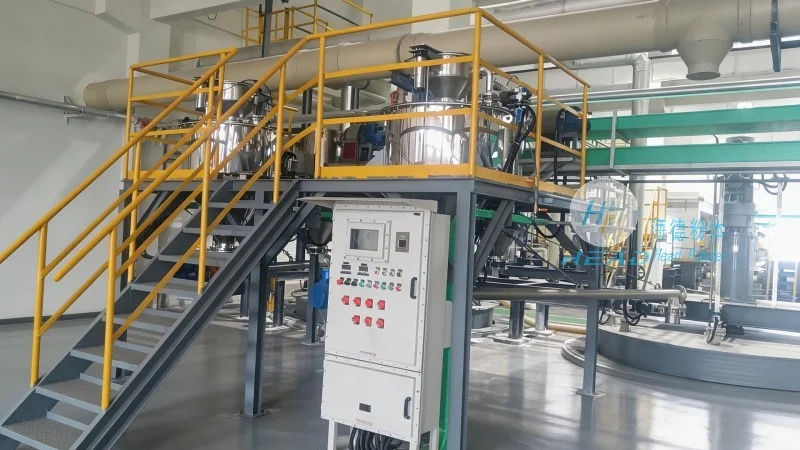
Overview of Resin Pneumatic Conveying Systems
Resin pneumatic conveying systems are engineered to move resin powders through a closed or open pipeline using compressed air or other gas. These systems are widely used due to their ability to handle abrasive and sensitive materials without the need for mechanical contact, which helps preserve material integrity and reduce equipment wear. The core components of a typical resin pneumatic conveying system include the hopper, feeder, conveying line, and receiver. Each component works in tandem to ensure smooth and controlled material transport.
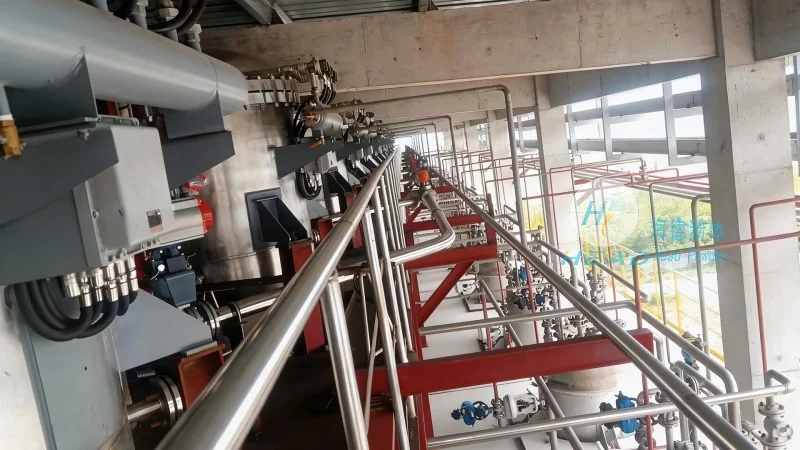
Key Structural Components and Their Functions
The hopper serves as the storage and feeding unit, where resin powders are held before being transferred to the system. It is designed with a sloped bottom to facilitate uniform material flow and prevent clogging. The feeder, often a rotary valve or a screw feeder, regulates the flow rate of resin from the hopper into the conveying line. This component ensures consistent material discharge, which is critical for maintaining stable conveying conditions. The conveying line, typically made of stainless steel or other corrosion-resistant materials, is the main pathway for the resin particles. It is equipped with bends, elbows, and straight sections to guide the material through the system. The receiver, or discharge hopper, collects the conveyed resin at the destination point, allowing for easy access and further processing.
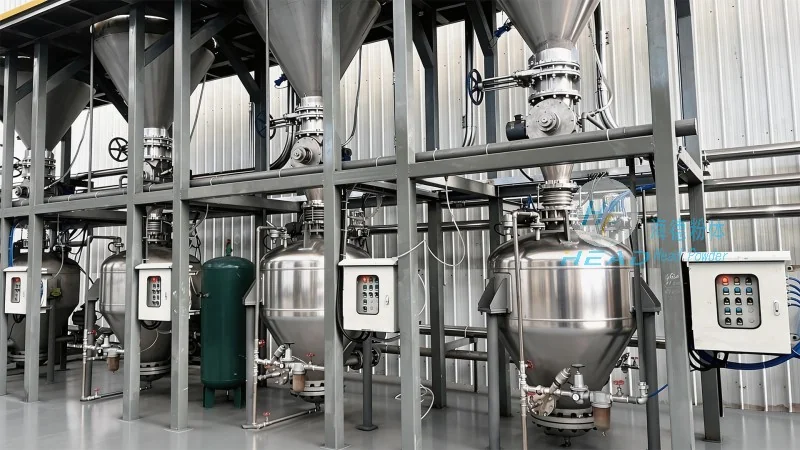
Working Principle of Resin Pneumatic Conveying
The operation of resin pneumatic conveying equipment relies on the principle of fluidization and pneumatic transport. Compressed air is introduced into the conveying line, creating a flow that lifts and propels the resin particles. As air flows through the system, it creates a low-pressure zone that draws the resin from the hopper into the line. The resin particles are suspended in the air stream and transported to the receiver. The velocity of the air and the particle size determine the conveying capacity and efficiency of the system. Proper design of the conveying line and air pressure is essential to prevent material deposition or blockages, which could lead to system downtime.
Applications and Benefits in Industrial Settings
Resin pneumatic conveying equipment is widely utilized in industries that handle resin powders, such as polymer manufacturing, pharmaceuticals, and food processing. The benefits of using this technology include reduced labor costs, improved safety by eliminating manual handling of powders, and enhanced product quality through minimal contamination. Additionally, the system's ability to handle abrasive materials without wear and tear extends the lifespan of equipment components. Companies like Shandong HeadPowder Engineering Co., Ltd., based in China, specialize in designing and manufacturing such systems tailored to specific industrial needs, ensuring optimal performance and reliability.
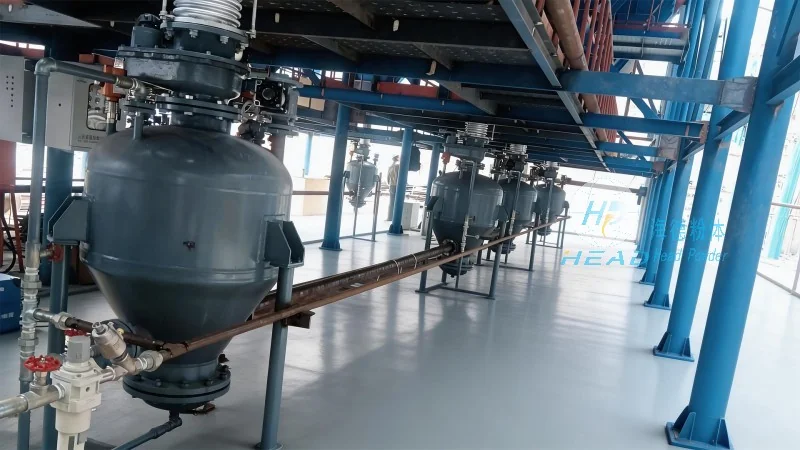
Conclusion and Company Information
Resin pneumatic conveying equipment represents a sophisticated solution for efficient powder handling, combining advanced engineering with practical application. By understanding its structural components and working principles, industries can leverage this technology to enhance operational efficiency and product quality. Shandong HeadPowder Engineering Co., Ltd., with its headquarters in China, is a leading provider of such equipment, committed to delivering high-quality solutions that meet the demands of modern industrial processes.