

Introduction to Monocrystalline Silicon Pneumatic Conveying and the Working Principle of Pneumatic C
HeadPowder, a leading provider in the field of material handling solutions, specializes in advanced pneumatic conveying systems tailored for the processing and transportation of monocrystalline silicon. This article provides an overview of monocrystalline silicon pneumatic conveying technology and explains the fundamental principles behind how these systems operate.
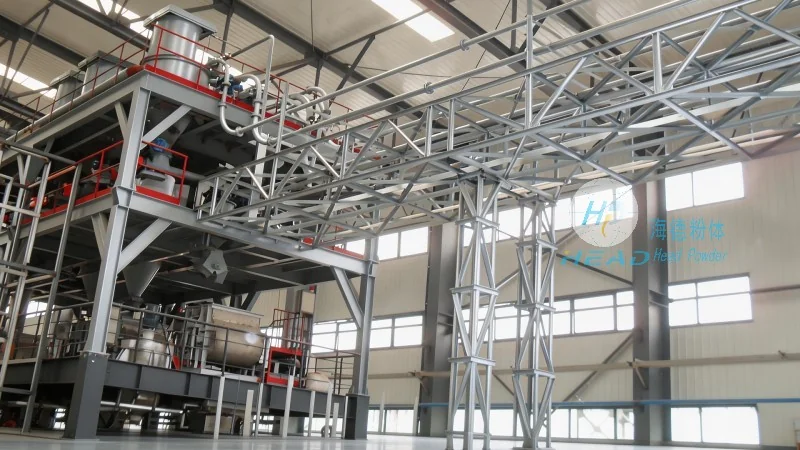
Company Profile and Expertise
HeadPowder Engineering Co., Ltd., based in Shandong, China, is dedicated to delivering high-quality engineering solutions for material transport. With years of experience in the industry, the company has developed specialized equipment and systems that meet the stringent requirements of modern manufacturing processes, particularly in the semiconductor and solar energy sectors where monocrystalline silicon is a critical component.
Understanding Monocrystalline Silicon and Its Handling Requirements
Monocrystalline silicon, often used in solar panels and semiconductor devices, is a high-purity material that demands precise handling to prevent contamination and damage. Traditional material handling methods may not be suitable due to the material's sensitivity and the need for a clean, controlled environment. Pneumatic conveying offers a solution by transporting the material in a sealed system, minimizing exposure to external elements and ensuring product integrity.
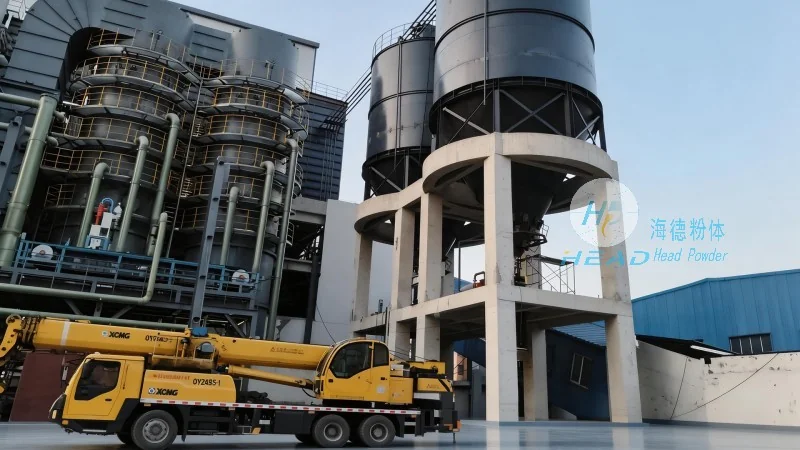
The Core Components of a Pneumatic Conveying System
A pneumatic conveying system for monocrystalline silicon typically consists of several key components. These include a material hopper or feeder to supply the silicon, a conveyor line (either positive or negative pressure), a filter system to capture any fine particles, and a receiver or discharge unit to deposit the material at the destination. Each component is designed to work in harmony to ensure efficient and reliable transport.
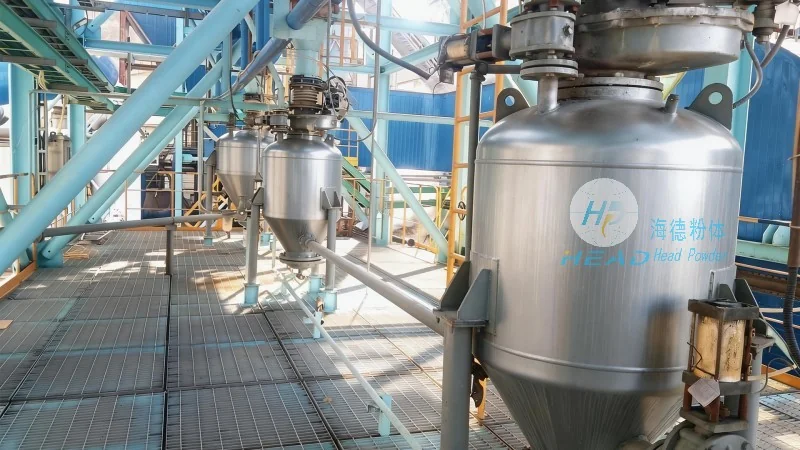
How Pneumatic Conveying Works: A Step-by-Step Explanation
The operation of a pneumatic conveying system involves the use of air or gas to move material through a pipeline. In positive pressure systems, air is blown into the conveyor line, pushing the material forward. In negative pressure systems, air is drawn out of the line, creating a vacuum that pulls the material. For monocrystalline silicon, a combination of these methods may be used to optimize performance and maintain material quality. The system starts with the material being fed from the hopper into the conveyor line. The air flow then propels the material through the pipeline, with the filter system ensuring that no particles escape into the environment. The material is then discharged into the receiver, completing the transport process.
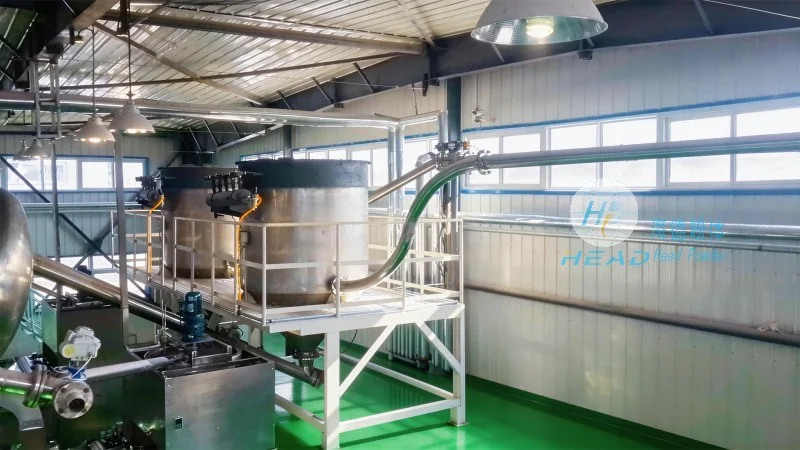
Advantages of Pneumatic Conveying for Monocrystalline Silicon
Implementing a pneumatic conveying system for monocrystalline silicon offers several advantages. These include the ability to handle the material in a closed system, reducing the risk of contamination and dust exposure. The technology also allows for precise control over the flow rate and pressure, ensuring consistent material delivery. Additionally, pneumatic conveying systems are flexible and can be easily integrated into existing manufacturing lines, making them a cost-effective solution for material transport in the semiconductor and solar industries.
Applications and Industry Impact
Monocrystalline silicon pneumatic conveying systems are widely used in the production of solar panels, semiconductor wafers, and other high-tech products. By providing a reliable and efficient method of material transport, these systems contribute to increased productivity and reduced operational costs in manufacturing facilities. The technology's ability to handle high-purity materials like monocrystalline silicon makes it indispensable in industries where product quality and consistency are paramount.