

Introduction to Gypsum Particle Pneumatic Conveying and the Working Principle of Pneumatic Conveying
HeadPowder, a leading provider in the field, specializes in the design, manufacturing, and implementation of advanced pneumatic conveying systems tailored for handling gypsum particles. This article provides a comprehensive overview of the technology, focusing on the fundamental principles and operational mechanisms that enable efficient material transport.
Understanding Pneumatic Conveying Systems
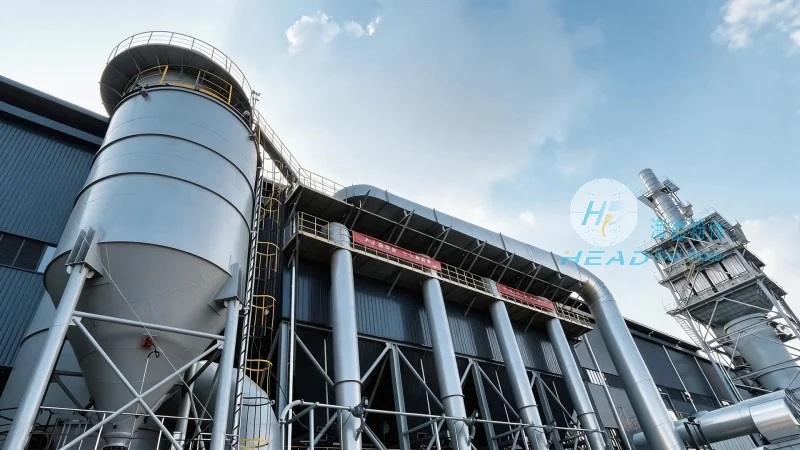
Pneumatic conveying systems utilize air or other gases to transport bulk materials like gypsum particles through a pipeline network. The process involves several key components, including a material feed hopper, a conveyor line, and a discharge mechanism. The system operates by creating a pressure differential, either by suction (negative pressure) or pressure (positive pressure), to move the material from the source to the destination.
Key Components and Their Functions
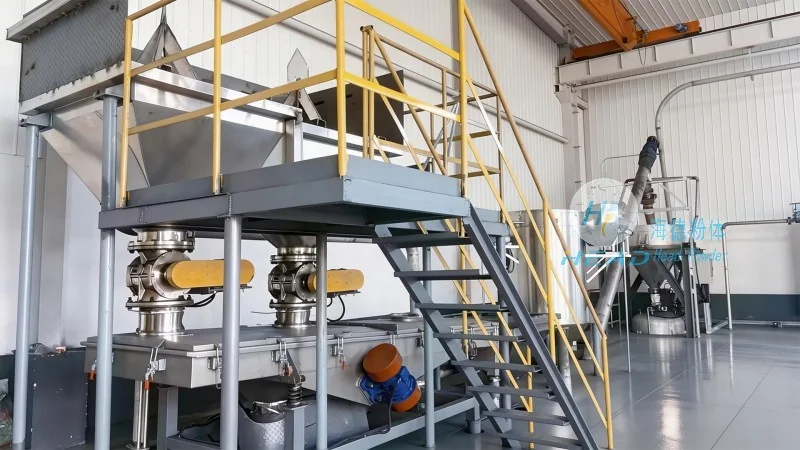
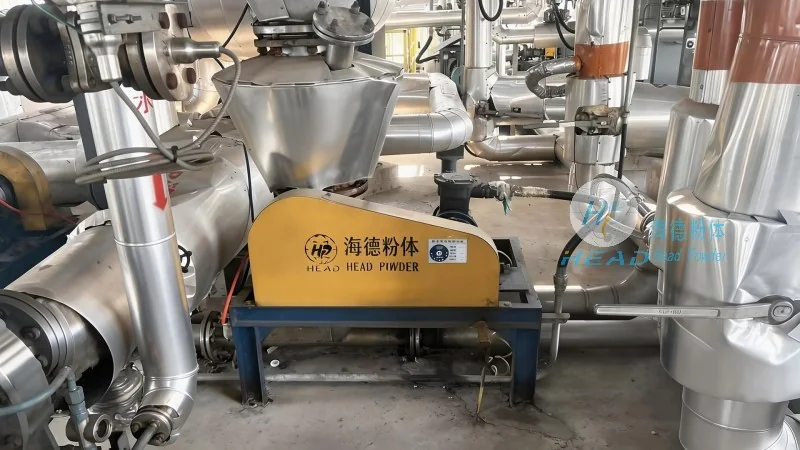
The effectiveness of a gypsum particle pneumatic conveying system depends on the integration of specialized components. The feed hopper is designed to store and meter the gypsum, ensuring a consistent flow into the conveyor line. The conveyor line itself is typically made of durable materials such as stainless steel or high-density polyethylene to withstand the abrasive nature of gypsum particles. A blower or compressor provides the necessary air pressure, while a control system regulates the flow rate and pressure to maintain optimal performance.
Working Principle of Gypsum Particle Transport
When the system is activated, the blower generates a flow of air that draws or pushes the gypsum particles into the pipeline. The particles are suspended in the air stream, allowing them to travel through the system without direct contact with the pipe walls. This suspension reduces friction and wear, extending the lifespan of the equipment. The discharge mechanism at the end of the line then separates the air from the material, allowing the gypsum to be deposited at the desired location.
Advantages of Pneumatic Conveying for Gypsum
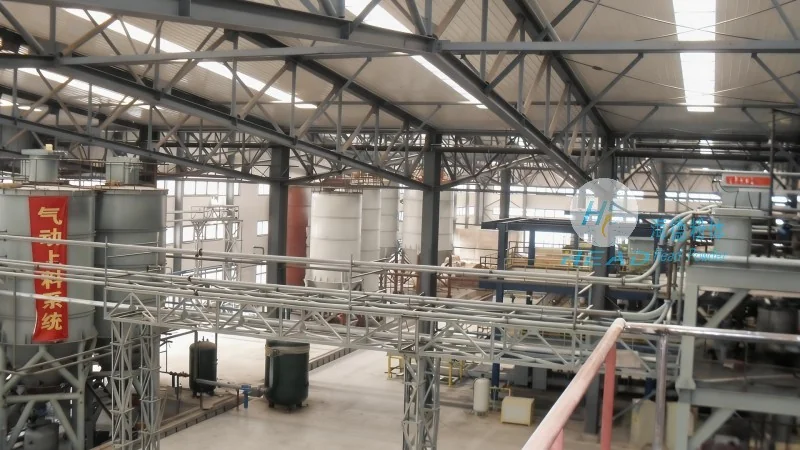
Compared to traditional methods like belt conveyors or bucket elevators, pneumatic conveying offers several advantages for gypsum handling. It provides a dust-free and enclosed transport process, which is crucial for maintaining air quality and preventing contamination. The system also allows for flexible routing, enabling materials to be transported over long distances or around obstacles without the need for complex infrastructure. Additionally, the ability to handle varying particle sizes and moisture content makes it suitable for diverse gypsum applications.
Application Scenarios and Operational Considerations
Gypsum particle pneumatic conveying systems are widely used in industries such as construction, agriculture, and pharmaceuticals. For example, in the construction sector, these systems are employed to transport gypsum for wallboard production, ensuring a smooth and efficient supply chain. In agricultural applications, they help in the distribution of gypsum for soil amendment, improving crop yields. Operational considerations include maintaining proper air pressure, monitoring for blockages, and regular maintenance of components to ensure consistent performance.
Conclusion and Company Overview
Shandong HeadPowder Engineering Co., Ltd., based in Shandong, China, is a trusted partner in the development of reliable pneumatic conveying solutions for gypsum and other bulk materials. With a focus on innovation and customer satisfaction, HeadPowder delivers systems that meet the highest standards of efficiency and durability. By understanding the working principles and advantages of pneumatic conveying, industries can optimize their material handling processes and enhance overall productivity.