

Introduction to Cement Clinker Pneumatic Conveying and the Working Principle of Pneumatic Conveying
HeadPowder, a leading engineering company based in Shandong, China, specializes in the design, manufacturing, and installation of advanced pneumatic conveying systems for the cement industry. This article provides an overview of cement clinker pneumatic conveying technology and explains the fundamental principles behind the operation of such systems.
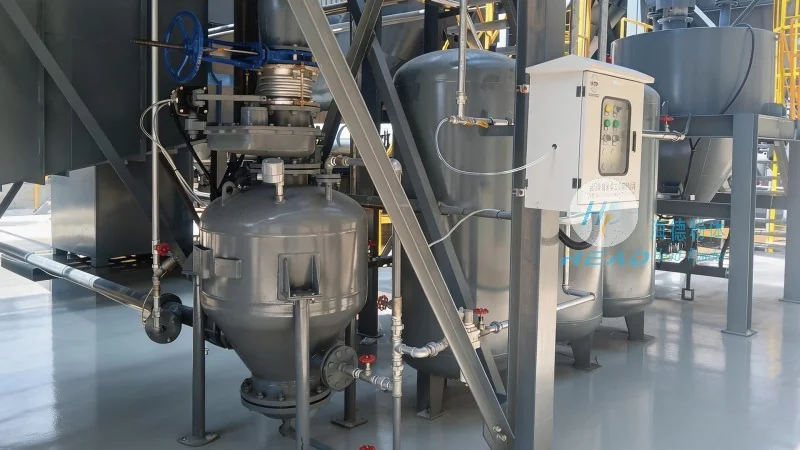
Cement Clinker Pneumatic Conveying: An Overview
Cement clinker is a crucial intermediate product in the cement manufacturing process, formed by sintering limestone and other raw materials at high temperatures. The efficient transportation of clinker from production lines to storage or processing facilities is essential for maintaining production efficiency and minimizing operational costs. Pneumatic conveying systems offer a reliable and flexible solution for handling cement clinker, enabling seamless material transfer without the need for mechanical components like belts or buckets.
The Working Principle of Pneumatic Conveying Systems
Pneumatic conveying systems operate by using compressed air or other gases to transport bulk materials through a network of pipes. In the case of cement clinker, the system typically consists of a hopper for material storage, a rotary valve for controlled discharge, a conveying line, and a receiver for material collection. The process begins when clinker is fed into the hopper and discharged through the rotary valve into the conveying line. Compressed air is then introduced into the line, creating a flow that propels the clinker particles forward. The air and material mixture travels through the pipeline, with the air pressure maintaining the material in suspension and ensuring smooth transport. At the receiving end, the air is separated from the clinker, often through a cyclone separator or other filtration equipment, and the clinker is collected in the receiver.
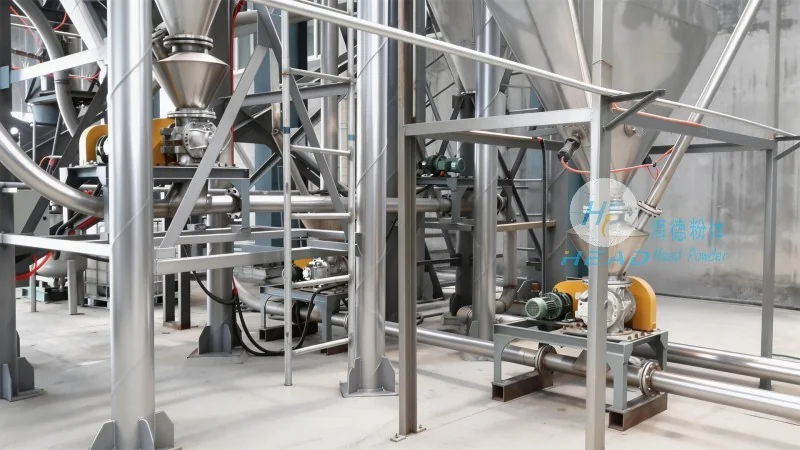
Key Components and Their Functions
Several critical components work together to ensure the effective operation of a cement clinker pneumatic conveying system. The hopper serves as the primary storage vessel, providing a large capacity to accommodate clinker produced during production. The rotary valve, also known as a feeder, regulates the flow of clinker from the hopper into the conveying line, preventing backflow and ensuring consistent material feed. The conveying line is typically made of durable materials like stainless steel or special alloys to withstand the abrasive nature of clinker and the corrosive effects of air and moisture. The receiver, or silo, collects the conveyed clinker and may include additional features such as level indicators or discharge valves for further processing. Compressed air is supplied by an air compressor, which generates the necessary pressure to drive the material through the system. The air compressor is often equipped with filters and dryers to maintain air quality and prevent contamination of the clinker.
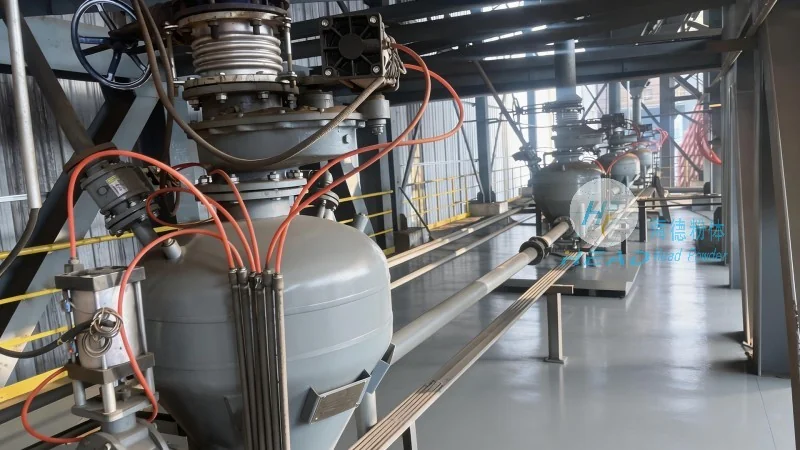
Advantages of Pneumatic Conveying for Cement Clinker
Pneumatic conveying systems offer numerous advantages over traditional mechanical conveying methods for cement clinker. One of the primary benefits is the ability to transport materials over long distances without the need for intermediate transfer points, reducing the risk of material degradation or loss. The system is also highly flexible, allowing for changes in the conveying route or capacity without major modifications. Additionally, pneumatic conveying is less prone to material buildup or blockages compared to mechanical systems, as the air flow continuously moves the particles. This results in lower maintenance costs and increased system reliability. Furthermore, the enclosed nature of the system helps to minimize dust emissions, improving workplace safety and environmental compliance. The energy efficiency of pneumatic conveying systems is another key advantage, as the compressed air can be recycled and reused, reducing overall operational costs.
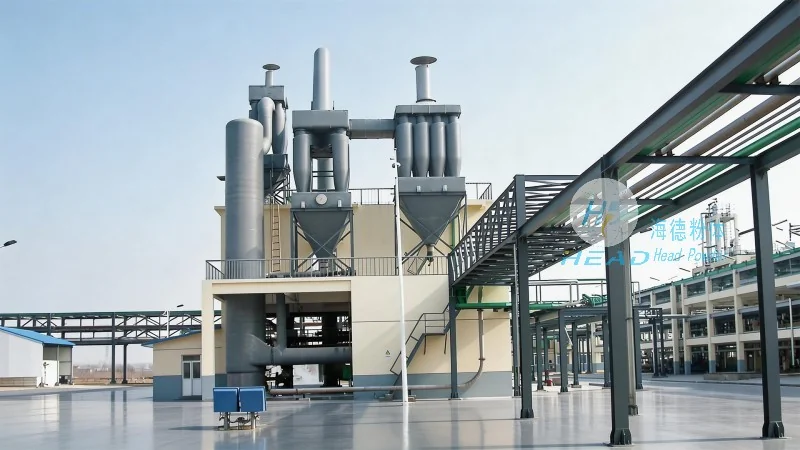
Applications and Industrial Use Cases
Cement clinker pneumatic conveying systems are widely used in various stages of the cement production process. In the initial stages, clinker is transported from the rotary kiln to the storage silos or to the grinding plant for further processing. The system can also be used to transfer clinker between different production lines or facilities, enabling efficient material distribution within a plant or across multiple sites. Additionally, pneumatic conveying is employed in the delivery of clinker to concrete mixing plants or other industrial applications where cement is required. The versatility of the system allows it to handle different types of clinker, including those with varying particle sizes and moisture content, making it suitable for a wide range of industrial applications.
Conclusion
HeadPowder's expertise in cement clinker pneumatic conveying systems ensures that clients receive reliable and efficient solutions tailored to their specific needs. By leveraging advanced engineering and technology, the company provides systems that enhance production efficiency, reduce operational costs, and improve overall safety in the cement industry. The working principles and components of such systems are designed to meet the demanding requirements of modern cement production, offering a sustainable and effective approach to material handling.