

Introduction to Powdered Stabilizer Pneumatic Conveying and the Working Principle of Pneumatic Conve
Shandong HeadPowder Engineering Co., Ltd., commonly known as headpowder, specializes in advanced solutions for material handling, particularly in the field of pneumatic conveying systems. With a focus on efficient and reliable transport of powdered materials, the company has established itself as a key player in providing tailored solutions for industries that rely on stable and consistent material flow. Headquartered in Shandong, China, the company leverages its expertise to deliver high-performance systems that meet the demanding requirements of modern industrial applications.
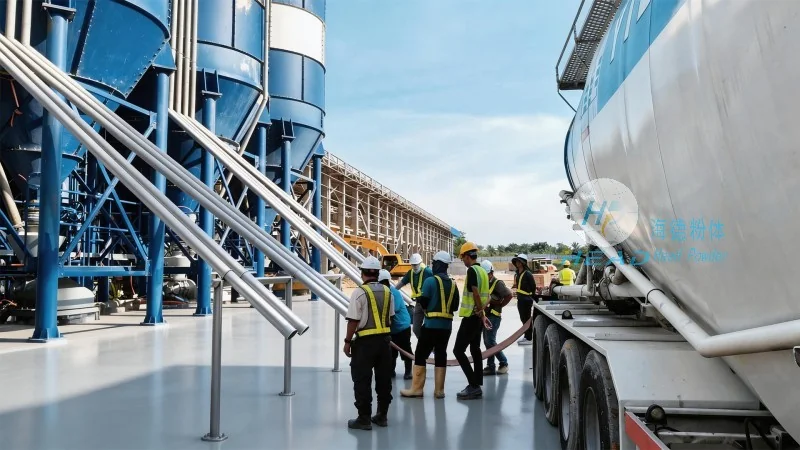
Powdered Stabilizer Pneumatic Conveying: An Overview
Powdered stabilizers are critical components in various industrial processes, and their efficient transport is essential for maintaining product quality and operational efficiency. Pneumatic conveying offers a versatile and effective method for moving these fine powders, which are often sensitive to moisture, temperature, and contamination. The process involves using compressed air to create a flow that transports the powder through a pipeline, ensuring minimal product degradation and consistent delivery to the destination. This method is particularly advantageous for materials that are difficult to handle with traditional mechanical conveyors, such as those with high dust content or abrasive properties.
The Working Principle of Pneumatic Conveying Systems
Pneumatic conveying systems operate on the principle of using air to move solid particles. The system typically consists of a few key components: a blower or compressor to generate the necessary air pressure, a hopper or feeder to introduce the material, a pipeline to transport the material, and a receiver or discharge point to collect the material. The process begins when the material is fed into the hopper, where it is then drawn into the pipeline by the moving air. The air velocity is carefully controlled to ensure that the particles are suspended and transported without settling or clogging the system. The system can be designed as either a positive pressure system, where air is forced through the pipeline, or a negative pressure (or vacuum) system, where air is drawn out of the pipeline. Each configuration has its own advantages, depending on the material characteristics and the distance or layout of the conveying line.
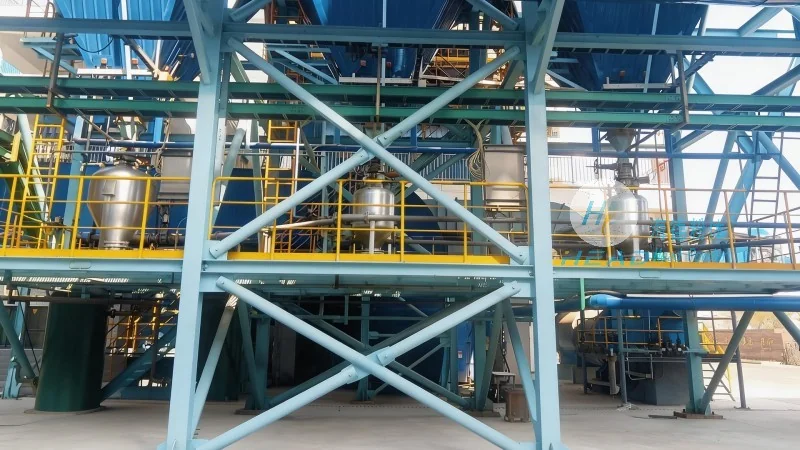
Advantages of Pneumatic Conveying for Stabilizer Powders
When applied to powdered stabilizers, pneumatic conveying systems offer several key advantages. First, the enclosed pipeline design minimizes exposure to environmental factors, such as moisture and dust, which can degrade the quality of the stabilizer. This is crucial for materials that are sensitive to humidity or require a sterile environment. Second, the system provides consistent and controlled flow rates, ensuring that the stabilizer is delivered in precise quantities to the processing equipment. This accuracy is vital for maintaining the desired chemical composition and performance of the final product. Third, pneumatic conveying reduces the risk of product contamination, as the material is not in direct contact with external surfaces or personnel. This is particularly important for food-grade or pharmaceutical-grade stabilizers, where purity is a top priority. Additionally, the system can handle a wide range of particle sizes and densities, making it suitable for various types of stabilizer powders, from fine to coarse.
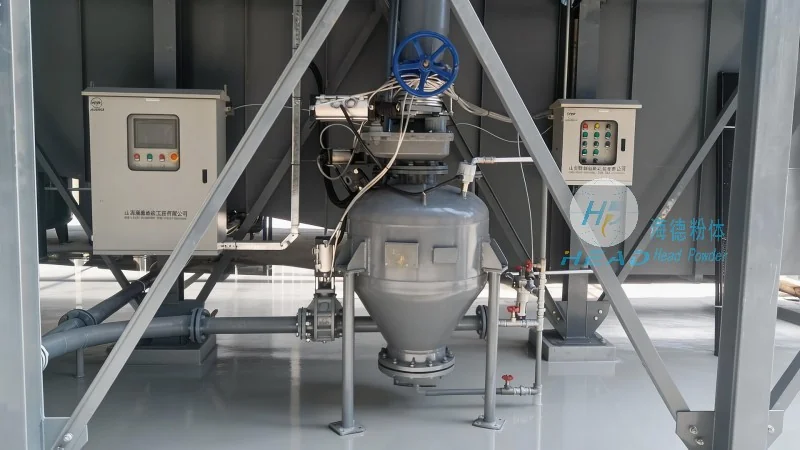
Applications in Industrial Processes
Pneumatic conveying systems are widely used in industries that rely on powdered stabilizers, including pharmaceuticals, food processing, chemical manufacturing, and construction. In pharmaceutical production, for example, the system is used to transport active ingredients and excipients to mixing and packaging equipment, ensuring that the final dosage forms are consistent and free from contamination. In food processing, the system is employed to move flavorings, colorants, and stabilizers to blending and processing lines, maintaining the quality and safety of the food products. In chemical manufacturing, the system is used to convey raw materials and intermediates, facilitating efficient production and reducing downtime. The versatility of pneumatic conveying makes it an ideal solution for these industries, as it can be adapted to handle different material properties and process requirements.
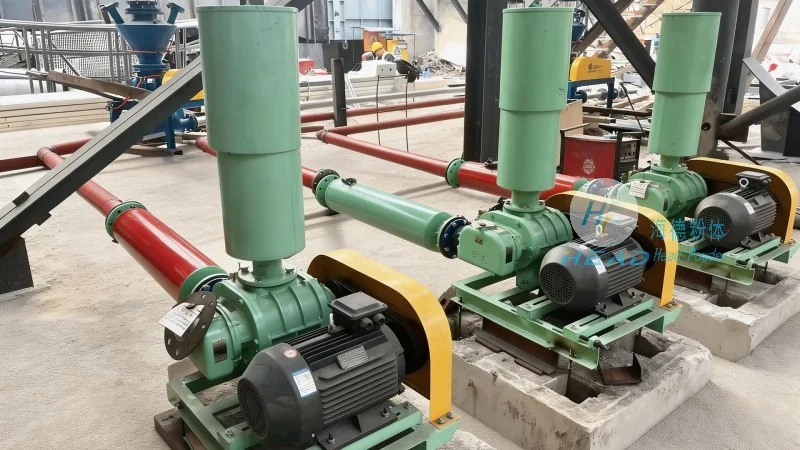
Maintenance and Optimization of Pneumatic Conveying Systems
To ensure the long-term performance and reliability of pneumatic conveying systems, regular maintenance is essential. This includes checking the air compressor or blower for proper operation, inspecting the pipeline for blockages or leaks, and cleaning the hopper and feeder to prevent material buildup. Proper maintenance helps to prevent system failures, reduce downtime, and extend the lifespan of the equipment. Additionally, system optimization can improve efficiency and reduce operating costs. This may involve adjusting the air pressure or flow rate to match the material characteristics, using specialized components such as cyclones or filters to improve separation, or implementing automation controls to monitor and adjust the system in real-time. By optimizing the system, companies can achieve better material flow, lower energy consumption, and higher overall productivity.
Conclusion
Pneumatic conveying systems, particularly for powdered stabilizers, offer a reliable and efficient method for material handling in various industrial applications. The technology provides several advantages, including minimal product degradation, consistent flow rates, and reduced contamination risks. With proper design, installation, and maintenance, these systems can significantly improve operational efficiency and product quality. As industries continue to demand higher standards of performance and reliability, pneumatic conveying remains a critical component in modern material handling solutions. Shandong HeadPowder Engineering Co., Ltd. remains committed to providing advanced pneumatic conveying systems that meet the evolving needs of its clients, ensuring that the transport of powdered stabilizers is safe, efficient, and cost-effective.