

Introduction to Flaky Graphite Powder Pneumatic Conveying and the Working Principle of Pneumatic Con
Flaky graphite powder is a widely used material in various industrial applications due to its excellent electrical conductivity, thermal stability, and lubricating properties. Efficient and reliable material handling is crucial for industries dealing with such powders, and pneumatic conveying systems have emerged as a preferred solution for transporting flaky graphite powder. This article provides an overview of flaky graphite powder pneumatic conveying systems, detailing the working principles and key components involved in the process.
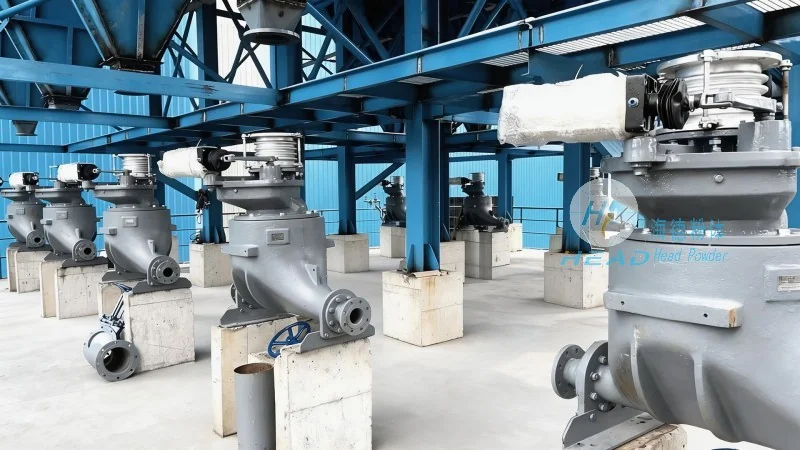
Understanding Flaky Graphite Powder Pneumatic Conveying
Flaky graphite powder, characterized by its plate-like or flaky structure, presents unique challenges in material handling compared to other bulk materials. Traditional methods like bucket elevators or belt conveyors may not be suitable for transporting fine, cohesive powders like flaky graphite due to issues such as caking, bridging, and dust generation. Pneumatic conveying offers a solution by using air to transport the powder through a pipeline system, minimizing material degradation and ensuring a clean, dust-free process.
The Working Principle of Pneumatic Conveying Systems
Pneumatic conveying systems operate on the principle of transporting bulk materials by suspending them in a stream of air. The system typically consists of a hopper for material storage, a feeder to control the flow rate, a conveying line, and a receiver for the discharged material. The process begins with the material being fed into the conveying line, where it is entrained by a high-velocity air stream. The air and material mixture travels through the pipeline, and the material is separated from the air at the receiver, often through a cyclone or filter system.
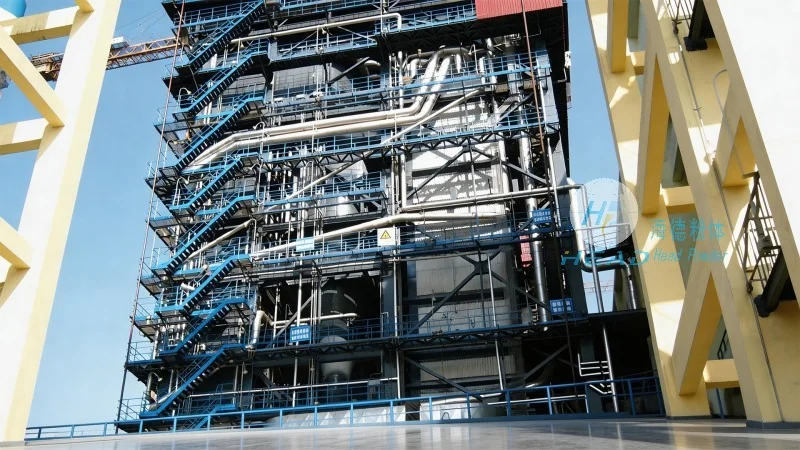
Key Components of a Flaky Graphite Powder Pneumatic Conveying System
Several critical components work together to ensure the efficient operation of a flaky graphite powder pneumatic conveying system. The hopper serves as the storage vessel, providing a controlled feed of the material. The feeder, such as a rotary valve or a screw feeder, regulates the material flow rate to match the system's capacity. The conveying line, usually made of stainless steel or other corrosion-resistant materials, is designed to withstand the abrasive nature of the flaky graphite powder. The receiver, equipped with a dust collection system, collects the conveyed material and separates it from the air, preventing dust emissions and ensuring environmental compliance.

Advantages of Pneumatic Conveying for Flaky Graphite Powder
Implementing a pneumatic conveying system for flaky graphite powder offers several advantages over traditional material handling methods. Firstly, it eliminates the need for mechanical components that can cause material degradation, such as caking or particle breakage. Secondly, the system provides a dust-free and clean operation, reducing the risk of contamination and improving workplace safety. Thirdly, pneumatic conveying allows for flexible and scalable solutions, as the system can be easily expanded or modified to accommodate changing production needs. Additionally, the process is energy-efficient compared to other methods, as it minimizes material handling losses and reduces the need for additional cleaning steps.
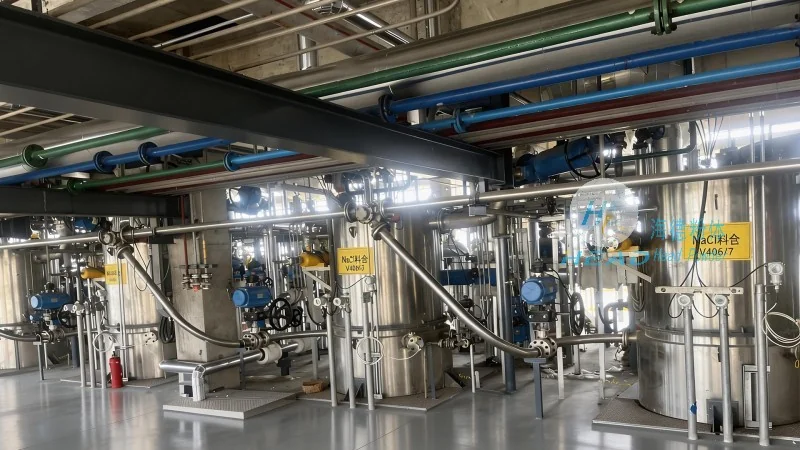
Applications of Flaky Graphite Powder Pneumatic Conveying
Flaky graphite powder is used in a wide range of industries, including electronics, lubricants, and refractory materials. Pneumatic conveying systems are particularly suitable for applications where the material needs to be transported over long distances or through complex layouts. For example, in the electronics industry, flaky graphite powder is used as a conductive additive in batteries and capacitors, and pneumatic conveying ensures that the material is delivered to production lines without contamination. In the lubricant industry, flaky graphite is used as a solid lubricant in greases and oils, and the system maintains the purity of the powder during transport. In refractory applications, the material is used in high-temperature environments, and the system ensures that the powder is delivered to the furnace without moisture or contamination.
Conclusion
Flaky graphite powder pneumatic conveying systems offer an efficient and reliable solution for transporting this critical material in various industrial applications. By understanding the working principles and key components of the system, industries can optimize their material handling processes, improve product quality, and enhance operational efficiency. With the expertise of companies like Shandong HeadPowder Engineering Co., Ltd., which specializes in engineering and manufacturing pneumatic conveying systems, businesses can ensure that their flaky graphite powder is handled with the highest standards of quality and safety.