

Introduction to Nanometer Calcium Carbonate Pneumatic Conveying and the Working Principle of Pneumat
For industrial applications involving the handling of nanometer calcium carbonate, efficient material transport is crucial. This article provides an overview of nanometer calcium carbonate pneumatic conveying systems, detailing their operational principles and the benefits they offer in material handling processes.
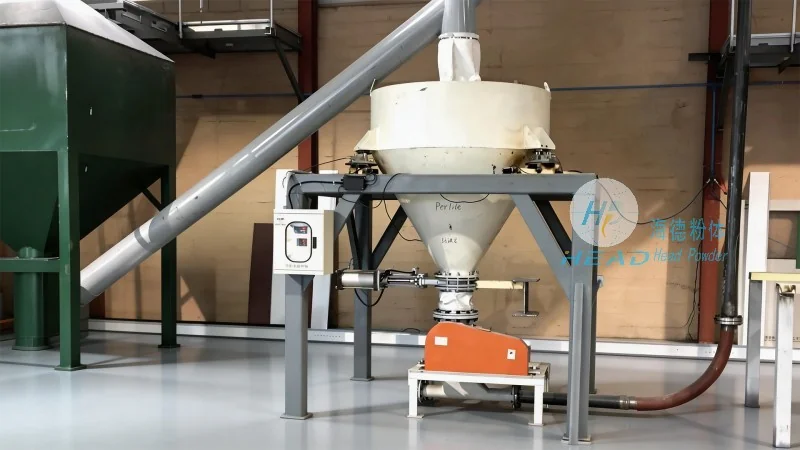
Pneumatic Conveying Systems: An Overview
Pneumatic conveying systems utilize air or other gases to transport bulk materials, such as nanometer calcium carbonate, from one location to another. These systems are widely used in industries like chemical processing, pharmaceuticals, and food production due to their ability to handle fine powders without the need for mechanical components that might cause contamination or material degradation.
Key Components of a Pneumatic Conveying System
The core components of a pneumatic conveying system include a material feed hopper, a conveying line (often equipped with pressure or vacuum pumps), and a discharge unit. The system operates by introducing air into the conveying line, creating a flow that propels the nanometer calcium carbonate particles through the system. The feed hopper ensures a consistent supply of material, while the pump maintains the necessary pressure or vacuum to achieve effective transport.
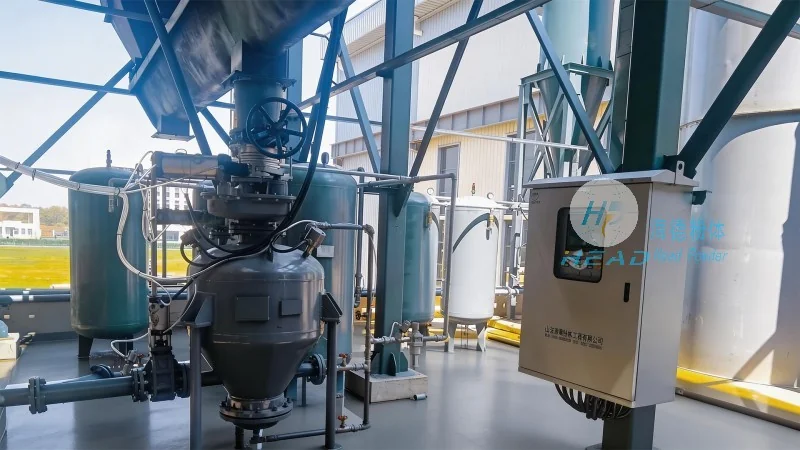
Working Principle of Nanometer Calcium Carbonate Pneumatic Conveying
In the case of nanometer calcium carbonate, the conveying process begins with the material being fed into the hopper. The pump then generates a flow of air that draws the fine particles into the conveying line. The air velocity is carefully controlled to prevent particle agglomeration and ensure smooth transport. The system may include additional components like filters or cyclones to separate any excess air from the material before it reaches the discharge point.
Benefits of Using Pneumatic Conveying for Nanometer Calcium Carbonate
Implementing a pneumatic conveying system for nanometer calcium carbonate offers several advantages. Firstly, it minimizes material contamination, as there are no mechanical parts in direct contact with the product. This is particularly important for applications in the pharmaceutical and food industries where purity is paramount. Secondly, the system reduces labor costs by automating the material handling process, eliminating the need for manual loading and unloading. Additionally, pneumatic conveying can handle high volumes of material efficiently, improving overall production throughput.
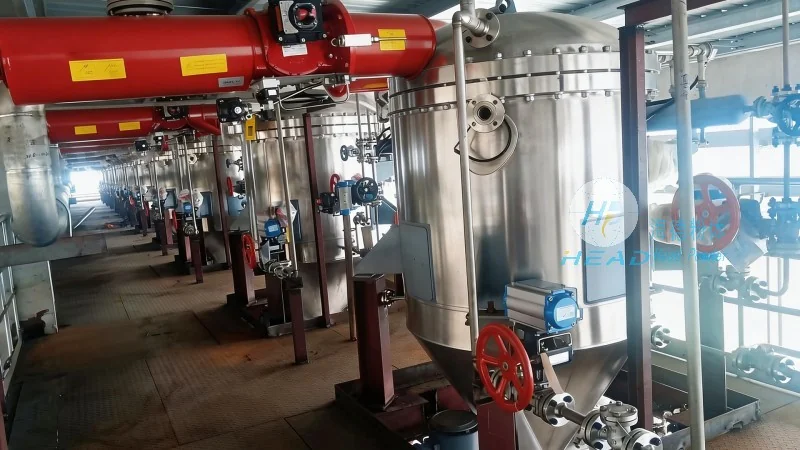
Applications in Industrial Settings
Nanometer calcium carbonate is commonly used as a filler or reinforcement in various products, including plastics, paints, and paper. The ability of pneumatic conveying systems to handle these fine powders with precision makes them ideal for applications where uniform distribution of the material is critical. For example, in the production of polymer composites, the consistent transport of nanometer calcium carbonate ensures that the final product has the desired mechanical properties and surface finish.
Conclusion
Understanding the principles and components of pneumatic conveying systems is essential for optimizing the handling of nanometer calcium carbonate in industrial settings. By leveraging the benefits of these systems, companies can enhance product quality, reduce operational costs, and improve overall efficiency in material transport processes. As a leading provider in this field, Shandong HeadPowder Engineering Co., Ltd. specializes in designing and implementing customized pneumatic conveying solutions tailored to the specific needs of their clients, ensuring reliable and efficient material handling for nanometer calcium carbonate applications.